
Sun Sep 28 07:23:08 UTC 2025: Okay, here’s a news article summarizing the provided text, with an emphasis on key facts and potential impact:
**Headline: India’s AstroSat Celebrates a Decade of Cosmic Discoveries**
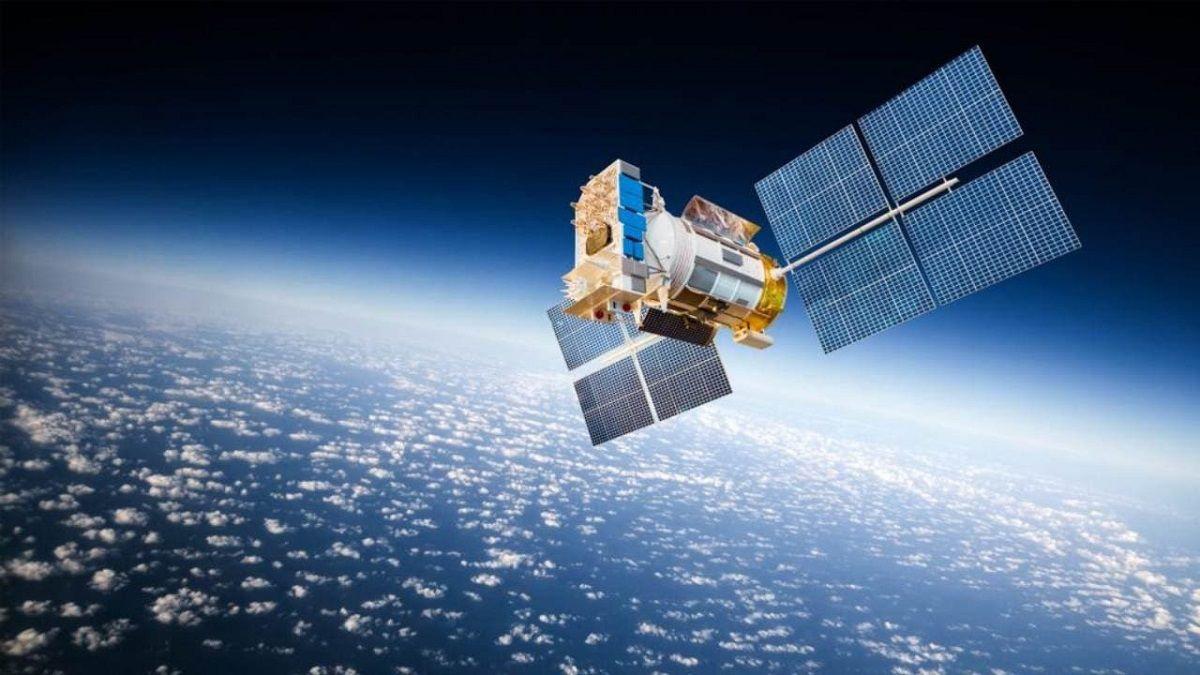
**Bengaluru, India – September 28, 2025** – India’s first dedicated Space Astronomy Observatory, AstroSat, marked its 10th anniversary on Sunday, September 28, 2025, a significant milestone for the nation’s space program and its contribution to global astronomical research. Launched on September 28, 2015, aboard the PSLV-C30 (XL) rocket from Sriharikota, AstroSat far exceeded its initial mission lifespan of five years and continues to transmit invaluable data.
The Indian Space Research Organisation (ISRO) celebrated the anniversary with a post on X, highlighting AstroSat’s groundbreaking insights across the electromagnetic spectrum. The multi-wavelength observatory, equipped with five specialized payloads, has enabled researchers to study phenomena ranging from black holes and neutron stars to distant galaxies. Notably, AstroSat achieved the first-time detection of FUV photons from galaxies 9.3 billion light-years away.
AstroSat is designed to observe the universe in the Visible, Ultraviolet, low and high energy X-ray regions of the electromagnetic spectrum simultaneously with the help of its five payloads: Ultra Violet Imaging Telescope (UVIT), Large Area X-ray Proportional Counter (LAXPC), Cadmium–Zinc–Telluride Imager (CZTI), Soft X-ray Telescope (SXT) and Scanning Sky Monitor (SSM).
The mission is a collaborative effort, realized by ISRO with the participation of major astronomy institutions across India, including IUCAA, TIFR, IIAP, and RRI, as well as universities within India and institutions from Canada and the UK.
AstroSat’s continued operation underscores India’s growing capabilities in space-based astronomy and its commitment to pushing the boundaries of scientific knowledge. The data gathered over the past decade is expected to fuel further research and discovery in the years to come.
 First Piper