
Mon Sep 15 09:54:28 UTC 2025: **Summary:**
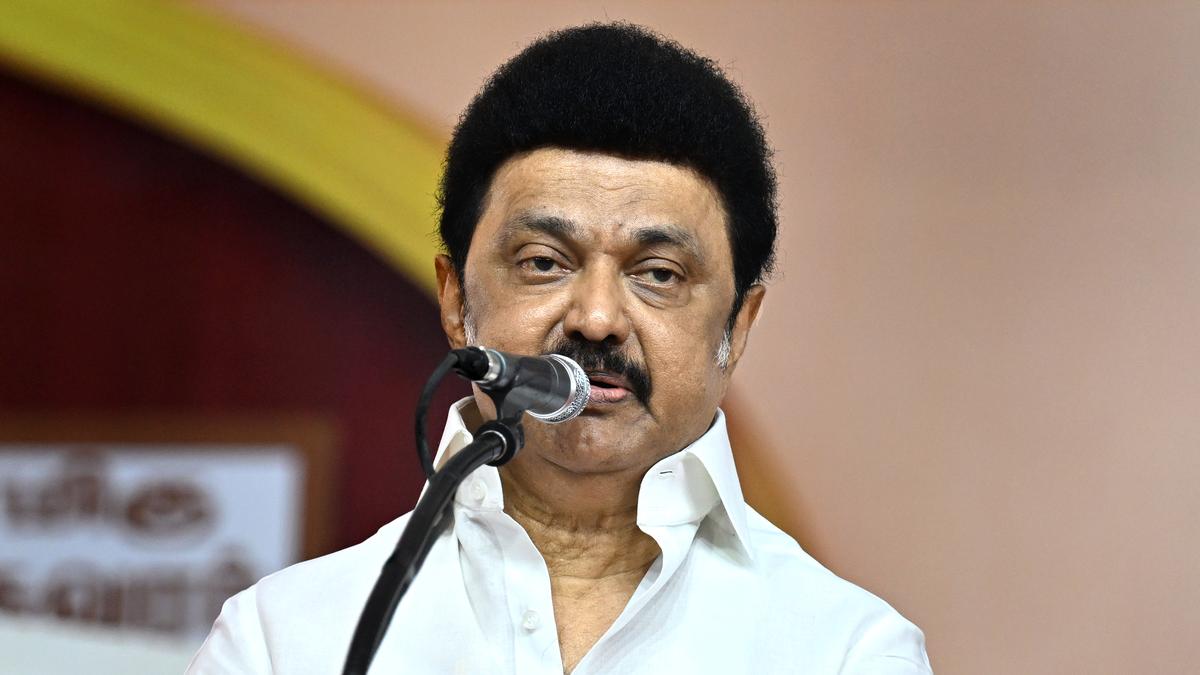
Tamil Nadu Chief Minister M.K. Stalin has praised the Supreme Court’s partial stay on key provisions of the Waqf (Amendment) Act 2025, which was enacted by the BJP-led union government. Stalin, leader of the DMK, which has consistently opposed the amendments, hailed the court’s decision as a victory in safeguarding the religious rights of the Muslim minority community and upholding the Constitution. He highlighted specific provisions that the stay addresses, including requirements for dedicating a Waqf, powers to divest Waqf properties, and the composition of Waqf Boards.
**News Article:**
**Supreme Court Halts Key Parts of Waqf Amendment Act, Tamil Nadu Chief Minister Praises Decision**
CHENNAI, India – September 15, 2025 – The Supreme Court of India has issued a partial stay on several key provisions of the Waqf (Amendment) Act 2025, a move praised by Tamil Nadu Chief Minister and DMK President M.K. Stalin. The Act, brought about by the BJP-led union government, has faced strong opposition from the DMK since its inception.
“This is a major step towards undoing unconstitutional and illegal amendments,” Chief Minister Stalin stated in a social media post. He emphasized the DMK’s consistent stance against the Act, citing their challenges in the Supreme Court and a resolution passed by the Tamil Nadu Assembly urging the Union government to withdraw the Bill.
The Supreme Court’s stay addresses concerns regarding the mandatory five-year practice requirement before dedicating a Waqf, the power to divest Waqf properties based on mere allegations, and the composition of the Central and State Waqf Boards. The stay ensures a Muslim majority in these boards by limiting the number of non-Muslim members.
Mr. Stalin believes that the court’s order reinforces public trust in the Supreme Court’s role in protecting the religious rights of the Muslim minority and upholding the Constitution. The decision is a significant development in the ongoing debate surrounding the Waqf Amendment Act and its implications for Muslim religious institutions in India.
 First Piper