
Sat Sep 13 22:00:00 UTC 2025: **Summary:**
India has enacted the Immigration and Foreigners Act of 2025, replacing older laws to regulate immigration and the treatment of foreigners. The new law codifies several existing practices, such as biometric data collection and the role of the Bureau of Immigration (BOI). It also introduces new provisions, including stricter monitoring of foreign students, expanding the reasons for closing establishments frequented by “undesirable” foreigners, granting Foreigners Tribunals (FTs) powers of a first-class judicial magistrate, and legally enabling border forces to return illegal migrants. Exemptions are granted to Nepalese, Bhutanese, and Tibetan citizens, as well as certain Sri Lankan Tamil refugees and undocumented members of specific minority communities from Afghanistan, Bangladesh, and Pakistan.
**News Article:**
**India Enacts Sweeping Immigration Law, Enhancing Monitoring and Deportation Powers**
**New Delhi, September 14, 2025** – India’s Ministry of Home Affairs has officially implemented the Immigration and Foreigners Act, 2025, a comprehensive piece of legislation designed to overhaul the country’s immigration policies and procedures. The Act, passed by Parliament in April, consolidates and replaces several older laws dating back to pre-Independence, including the Passport (Entry into India) Act, 1920, and the Foreigners Act, 1946.
The new law aims to streamline the regulation of foreigners’ entry, exit, visa, registration, and related issues. Key changes include:
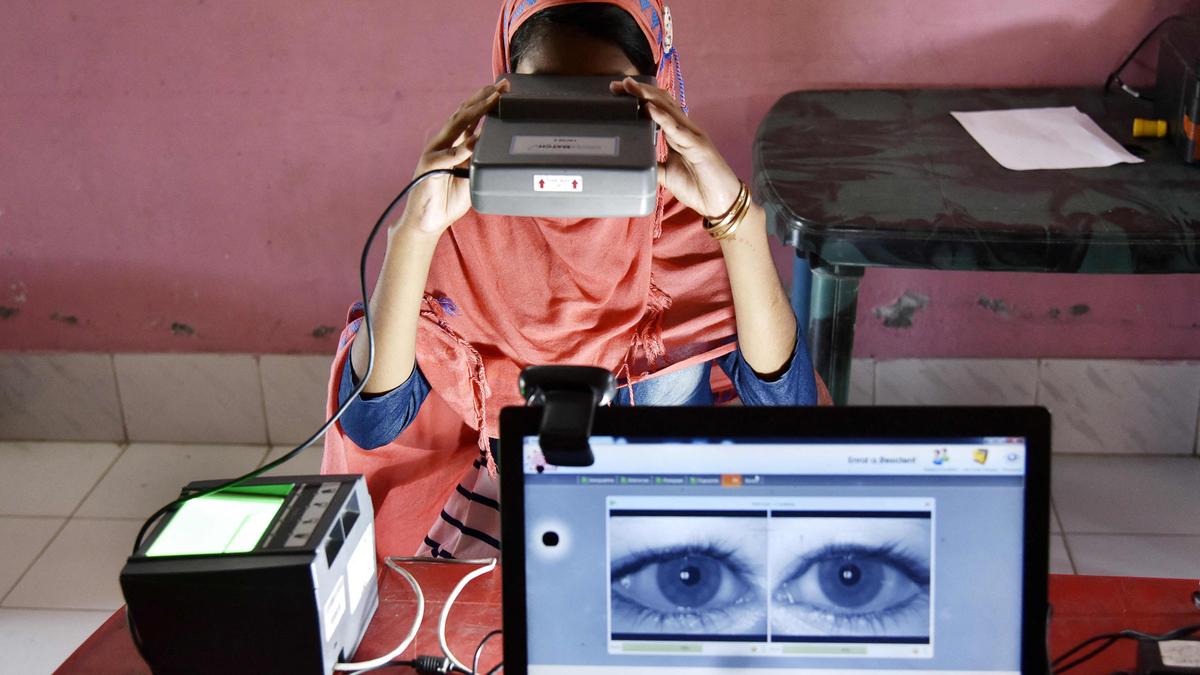
* **Formalizing Biometric Data Collection:** The Act legally mandates the collection of biometric information from all foreigners, expanding a practice previously limited to certain visa categories and enforced through executive orders.
* **Strengthening the Bureau of Immigration (BOI):** The BOI is now legally designated to investigate immigration fraud, coordinate with states on deportation, and manage a national immigration database.
* **Increased Monitoring of Foreign Students:** Educational institutions are required to report on the academic performance and conduct of foreign students to the Foreigners Regional Registration Office (FRRO).
* **Expanded Grounds for Closure of Establishments:** Authorities can now shut down establishments frequented by “illegal migrants” in addition to “undesirable” foreigners involved in crime.
* **Enhanced Powers for Foreigners Tribunals (FTs):** FTs, currently primarily operational in Assam, are granted the powers of a first-class judicial magistrate, allowing them to issue arrest warrants and send individuals who cannot prove their citizenship to detention centers.
* **Legal Basis for Border Control Measures:** Border security forces are now legally authorized to prevent illegal migrants from entering India and return them to their country of origin after collecting their biometric data.
The law also outlines a broader list of grounds for denying entry to foreigners, including involvement in crimes such as terrorism, human trafficking, cybercrime, and financial offenses.
Exemptions from certain provisions of the Act are granted to Nepalese, Bhutanese, and Tibetan citizens. Additionally, Sri Lankan Tamil refugees who arrived in India before January 9, 2015, and undocumented members of specific minority communities from Afghanistan, Bangladesh, and Pakistan who entered India before December 31, 2024, are exempted from penal provisions and potential deportation.
The MHA clarified that while minorities from the three countries are eligible to apply for long-term visas as a precursor to citizenship, this exemption does not apply to Sri Lankan Tamils.
The implementation of the Immigration and Foreigners Act, 2025, signals a significant shift in India’s approach to immigration, emphasizing stricter monitoring, enhanced enforcement powers, and clearer legal frameworks for dealing with foreign nationals and immigration-related issues.
 First Piper