
Sun Sep 14 10:11:23 UTC 2025: **Summary:**
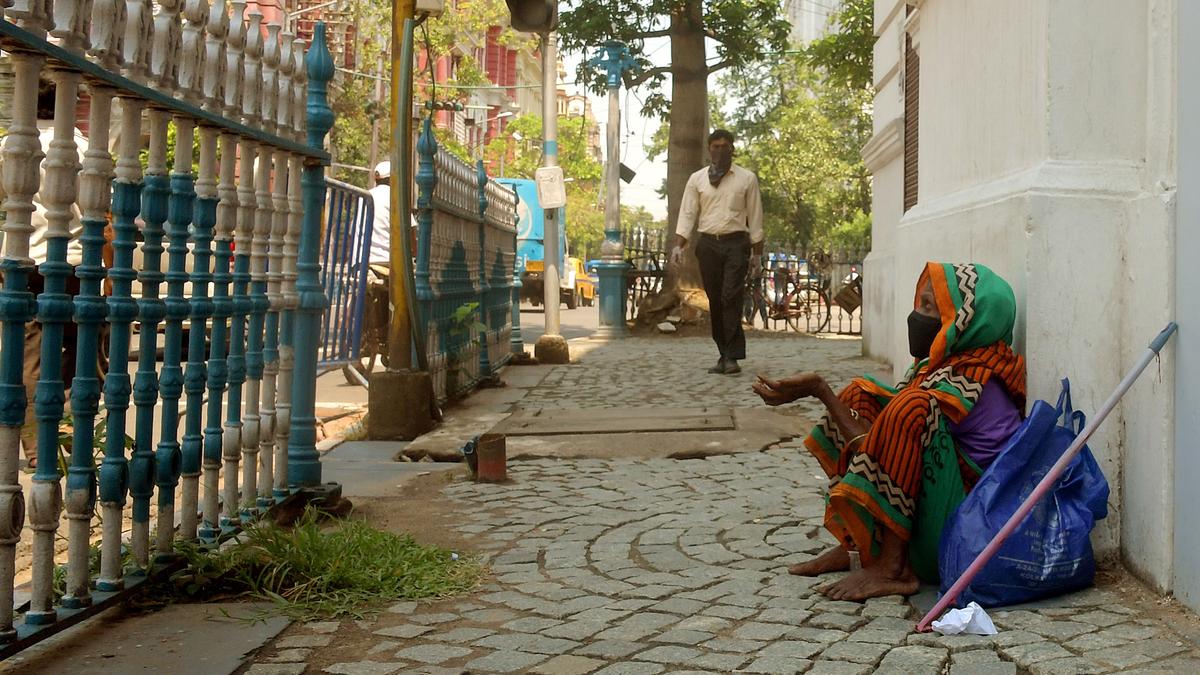
The Supreme Court of India has issued a landmark judgment emphasizing that beggars’ homes should not be treated as quasi-penal institutions or mere charity outlets, but as restorative facilities focused on rehabilitation and reintegration into society. The court stressed that the conditions in these homes must uphold the constitutional rights of residents, offering dignity, healthcare, skill-building, and protection against exploitation. The judgment came in response to a 2000 incident involving a cholera outbreak at a Delhi beggars’ home, leading to deaths and hospitalizations. The court has outlined a series of directives to improve the management and conditions of beggars’ homes across the country, including mandatory health check-ups, nutritional standards monitoring, infrastructure audits, vocational training, separate facilities for vulnerable groups, and referral of children to child welfare institutions.
**News Article:**
**Indian Supreme Court Orders Upgrade of Beggars’ Homes: “Spaces of Social Justice”**
**New Delhi – September 14, 2025:** The Supreme Court of India has issued a landmark ruling mandating a transformation of beggars’ homes across the nation, declaring them to be “spaces of social justice” rather than mere holding facilities. The judgment, published today, emphasizes that these homes must function as centers for recovery, skill-building, and reintegration into society, upholding the constitutional rights of residents with dignity and care.
Justices J.B. Pardiwala and R. Mahadevan stated that residents of beggars’ homes, many of whom are victims of poverty, mental illness, and social exclusion, are entitled to the same constitutional protections as convicts, if not more so. The court decried prison-like conditions, overcrowding, and denial of basic medical care as a “constitutional infraction” violating Article 21, the right to life.
The ruling stems from a tragic incident in 2000 when a cholera outbreak at a Delhi beggars’ home resulted in multiple deaths and hospitalizations. The court has now issued a comprehensive set of directives to improve the running of these homes nationwide.
Key directives include:
* Mandatory health check-ups for all new admissions within 24 hours.
* Regular nutritional assessments by qualified dieticians.
* Independent infrastructure audits every two years.
* Adherence to sanctioned capacity to prevent overcrowding.
* Provision of vocational training programs.
* Separate facilities for women and children, ensuring their safety and access to specialized care.
* Children found begging must be referred to child welfare institutions, not detained in beggars’ homes.
The Supreme Court’s decision underscores the state’s responsibility to provide humane treatment and rehabilitation services to vulnerable populations, ensuring that beggars’ homes are transformed into genuine havens of support and opportunity. The court has emphasized that failure to ensure humane conditions amounts to a constitutional breach of the fundamental right to life with dignity. The ruling is expected to lead to significant reforms in the management and operation of beggars’ homes across India.
 First Piper