
Sat Sep 13 13:44:52 UTC 2025: Okay, here’s a summary and news article based on the provided text:
**Summary:**
The Supreme Court of India is set to deliver its judgment on a plea to stay the implementation of the Waqf (Amendment) Act, 2025. The Act, passed by Parliament in April, is seen by petitioners as a means of acquiring Muslim properties, while the government argues it is necessary to combat encroachment. The case hinges on arguments regarding the religious autonomy of the Muslim community, property rights, and the constitutionality of the amendments. Petitioners argue the Act undermines property rights, encroaches on religious freedom, and potentially invalidates many unregistered waqfs. The government counters that it’s regulating secular activities related to religious endowments for transparency and that waqfs-by-user, being creations of legislative policy, can be altered. Various states, organizations, and political leaders have weighed in, both for and against the amendments.
**News Article:**
**Supreme Court to Rule on Controversial Waqf Amendment Act**
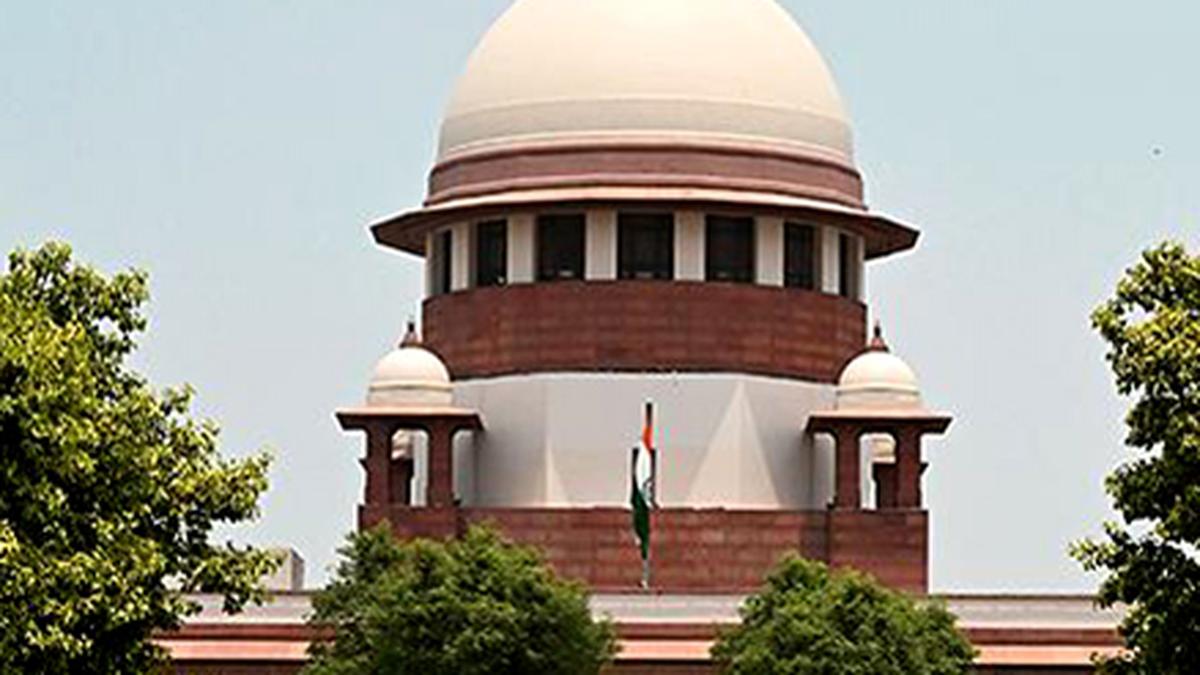
**NEW DELHI, September 13, 2025** – The Supreme Court of India is scheduled to deliver a crucial judgment on Monday, September 15th, concerning the Waqf (Amendment) Act, 2025. The court will rule on a plea to stay the implementation of the controversial law, which has sparked heated debate and legal challenges since its passage through Parliament in April.
The Act, intended to address the management and regulation of Waqf properties (Islamic religious endowments), has drawn sharp criticism from over 100 petitioners. They argue that the law represents a “creeping acquisition” of Muslim properties and undermines the religious autonomy of the Muslim community, violating property rights protected under Article 300A of the Constitution. Indian National Congress MP Mohammed Jawed, a member of the Joint Parliamentary Committee on the Bill, was among the first to file a petition.
The government, however, defends the Act as a necessary measure to counter “rampant encroachment” on both public and private properties. Solicitor General Tushar Mehta argued that the law’s focus is on regulating secular activities related to religion, ensuring transparency in the financial management and property administration of religious endowments. The government also contended that waqfs-by-user were only given statutory recognition by preceding Waqf Acts.
A bench headed by Chief Justice B.R. Gavai heard the case extensively in May, with senior advocate Kapil Sibal leading the petitioners’ argument. Sibal argued that the amendments encroach on the minority community’s right to freedom of religion, pointing to provisions that could allow disputes about the authenticity of waqfs and potentially invalidate unregistered waqfs.
The case has attracted significant attention from various states, organizations, and political leaders. Tamil Nadu’s DMK party has raised concerns about the impartiality of the Joint Parliamentary Committee proceedings, while the Kerala government has intervened against the law, citing the need to protect the fundamental right of Muslims in the state to manage their religious affairs.
The Supreme Court’s decision is expected to have far-reaching implications for the management of Waqf properties across the country and will be closely watched by legal experts, religious organizations, and political observers alike.
 First Piper