
Fri Sep 12 06:15:40 UTC 2025: **News Article:**
**Social Media Fuels Uprising in Nepal, Toppling Prime Minister**
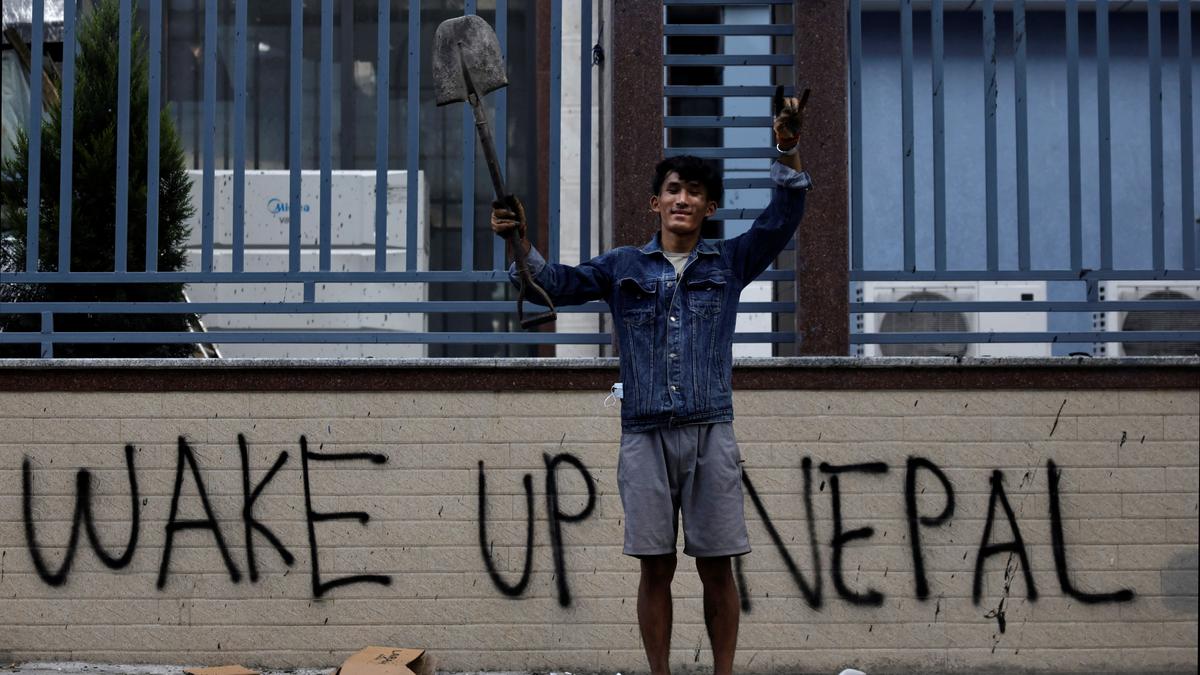
**Kathmandu – September 12, 2025** – Nepal is in upheaval following a week of intense protests driven largely by social media. Anger over corruption and perceived lavish lifestyles of the elite, widely publicized on platforms like Instagram, ignited a firestorm among young Nepalis, leading to the resignation of Prime Minister KP Sharma Oli and the deployment of the army.
The unrest began with demonstrations against a government ban on Facebook, YouTube, and other popular social media sites. The ban, ostensibly for failing to register within the country, was seen as an attack on freedom of speech, particularly as it coincided with growing discontent over economic stagnation and political instability.
“Tech played… an almost decisive role,” journalist Pranaya Rana told AFP. The #NepoKids hashtag, exposing the wealth and privilege of politicians’ children, went viral, fueling resentment, particularly in rural areas.
The government’s crackdown on protesters, resulting in at least 19 deaths, only intensified the situation. With mainstream social media blocked, activists turned to VPNs and alternative platforms like Discord and Bitchat to organize and discuss their next steps. One Discord server swelled to over 145,000 members, debating potential interim leaders like former Chief Justice Sushila Karki.
The crisis highlights the significant influence of social media in Nepal, where over half of the 30 million population is online. The government’s attempts to control online speech, including requiring social media companies to censor content deemed “misinformation,” backfired spectacularly.
The surge in VPN usage, reported by Proton VPN at a 6,000 percent increase, and the spike in downloads of Jack Dorsey’s Bitchat, demonstrate the public’s determination to bypass censorship.
Rights activist Sanjib Chaudhary stated that the government drastically underestimated the power of social media to mobilize public opinion. The situation in Nepal serves as a stark reminder of the potent force of digital platforms in shaping political discourse and driving social change.
 First Piper