
Thu Sep 11 17:05:52 UTC 2025: **Summary:**
The Indian Ministry of Home Affairs (MHA) is considering establishing Border Wing Home Guards (BWHG) along the India-China border. These guards, drawn from local civilians, would support the Army and Indo-Tibetan Border Police (ITBP) in border security and intelligence gathering, similar to the system currently in place on the India-Pakistan border. The move aims to strengthen India’s presence and intelligence capabilities in the region, especially in light of recent tensions and unresolved patrolling issues along the Line of Actual Control (LAC) in Ladakh since 2020. Only Rajasthan currently has active BWHGs.
**News Article:**
**India Considers Civilian Border Guards Along China Border Amidst Lingering Tensions**
**NEW DELHI, September 11, 2025** – In a move to bolster its border security and intelligence capabilities along the contested border with China, the Union Ministry of Home Affairs (MHA) is actively exploring the creation of Border Wing Home Guards (BWHG), *The Hindu* has learned.
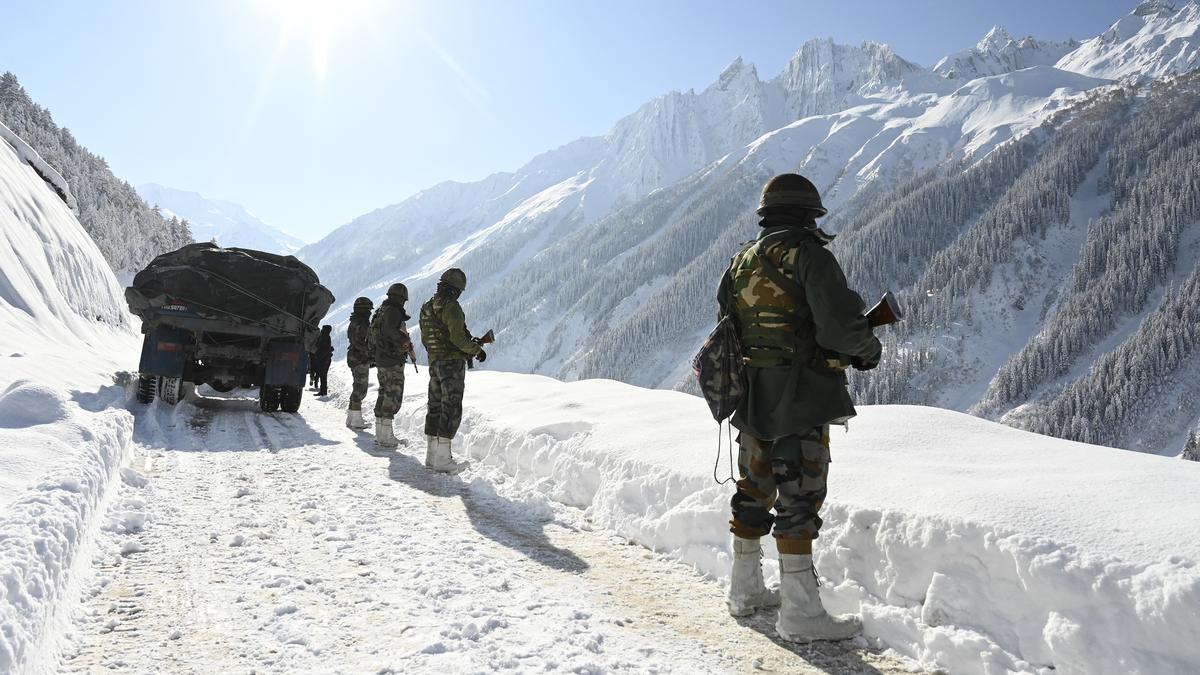
These BWHGs, comprised of civilians residing in border areas, would serve as a supplementary force to the Army and the Indo-Tibetan Border Police (ITBP), the primary border guarding force along the 3,488 km India-China border. The model mirrors the BWHG system currently in operation on the India-Pakistan border.
“The plan is to leverage the local knowledge and presence of civilians to augment our existing border security apparatus,” a senior government official stated. “This will enhance our situational awareness and provide crucial support to the ITBP, particularly in intelligence collection.”
Currently, only Rajasthan maintains an active BWHG force, with 2,279 guards. The initiative gained prominence during the recent Operation Sindoor, where their assistance in gathering and disseminating information amongst the border population proved invaluable. BWHGs in Rajasthan currently receive pay of approximately ₹800-900 per day.
The move comes in the wake of heightened tensions and unresolved patrolling disputes along the Line of Actual Control (LAC) in Ladakh since 2020. Twenty Indian soldiers, including a Colonel, were killed in clashes with Chinese troops that year, marking one of the most serious incidents between the two nations in decades.
While several rounds of talks have occurred since the clashes, 26 out of 65 patrolling points (PPs) in Eastern Ladakh remain inaccessible to Indian troops as of April-May 2020. These areas have effectively become “buffer zones,” with neither side actively patrolling them. PPs are strategically significant as they are often utilized to assert territorial claims.
The establishment of BWHGs is viewed as a proactive step towards reinforcing India’s presence and ensuring the security of its borders, alongside the current deployment of over 50,000 Army and ITBP personnel in eastern Ladakh since 2020.
 First Piper