
Wed Sep 10 07:06:16 UTC 2025: ## Summary:
Finance Minister Nirmala Sitharaman clarified that the inclusion of liquor for human consumption under the Goods and Services Tax (GST) regime rests solely on the decisions made by individual state governments. Currently, liquor is subject to state excise duties and Value Added Tax (VAT), and moving it to the GST framework requires consensus and action at the state level.
## News Article:
**GST on Liquor: States Hold the Key, Says Finance Minister**
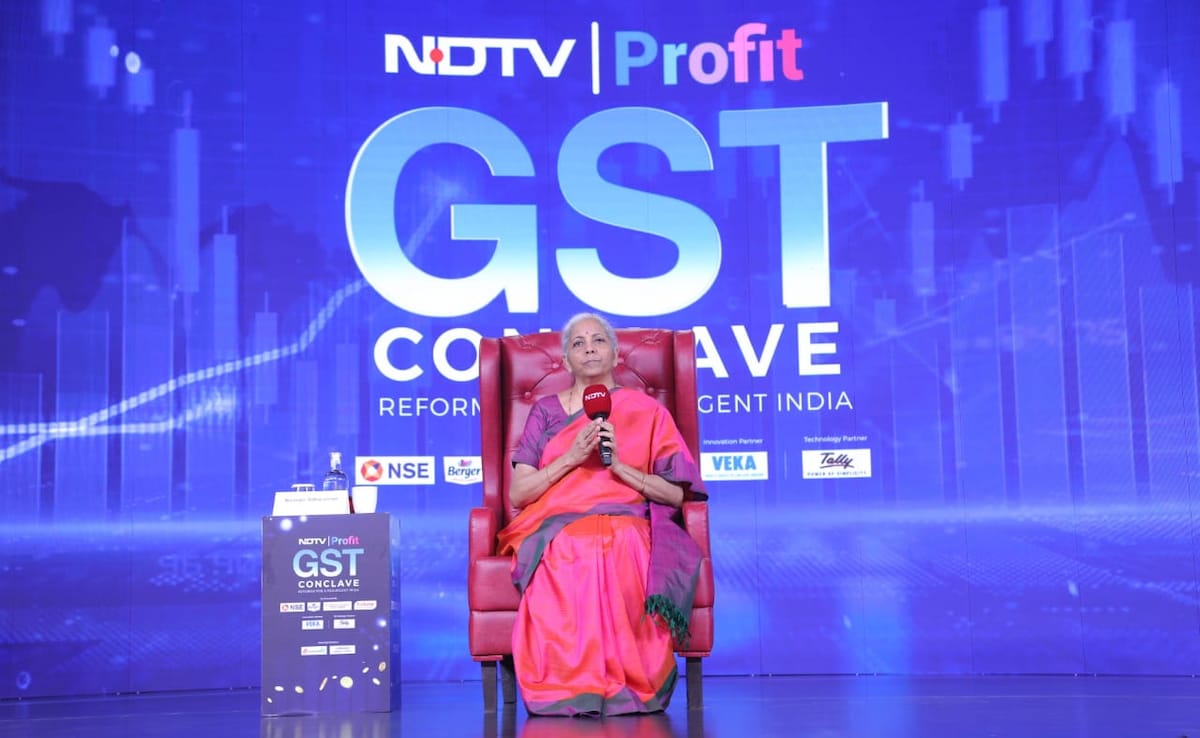
**NEW DELHI -** The inclusion of alcohol for human consumption under the national Goods and Services Tax (GST) remains a decision firmly in the hands of individual state governments, according to Finance Minister Nirmala Sitharaman. Speaking to reporters, the minister emphasized that unlike most goods and services, the taxation of liquor is currently governed by state excise duties and Value Added Tax (VAT).
The question of bringing alcohol under the GST framework has been a subject of ongoing debate, potentially streamlining the tax structure and increasing efficiency. However, Minister Sitharaman made it clear that any shift requires the unanimous consent and active participation of each state.
“The decision to include liquor under GST lies entirely with the states,” she stated. “They currently levy their own excise duties and VAT on alcoholic beverages. A change to the GST system would necessitate their agreement and subsequent action.”
Currently, states derive significant revenue from alcohol taxes, making them hesitant to relinquish control to the central GST council. Moving to GST would mean sharing revenue with the center, potentially impacting state finances.
The Finance Minister’s statement underscores the complexities of federal taxation in India and highlights the ongoing need for consensus-building among states to achieve further reforms in the GST system. Whether states will find common ground on this sensitive issue remains to be seen.
 First Piper