
Mon Sep 08 16:27:21 UTC 2025: **News Article:**
**Supreme Court Upholds Legality of Brain Death Definition in Organ Transplant Law**
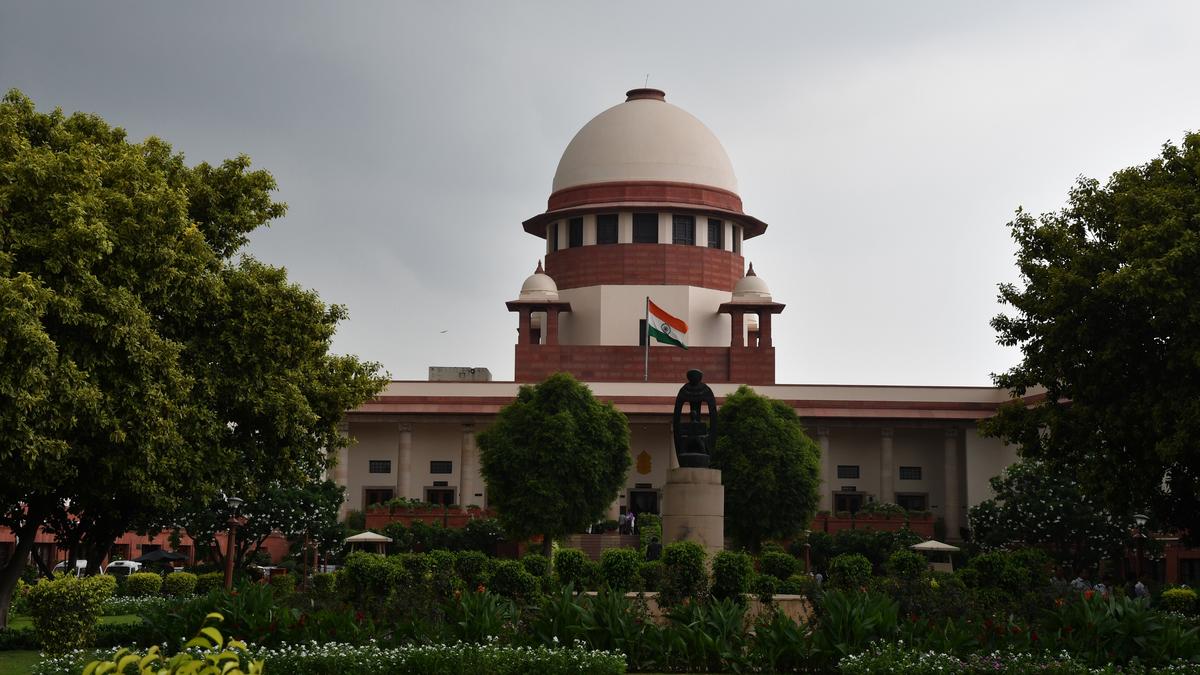
**New Delhi, September 8, 2025:** The Supreme Court of India today affirmed the constitutional validity of the definition of ‘brain-stem death’ as outlined in the Transplantation of Human Organs and Tissues Act of 1994. A bench comprising Justices Surya Kant and Joymalya Bagchi dismissed a petition arguing that the law constitutes an unlawful intrusion into the fundamental right to life guaranteed under Article 21 of the Constitution.
The petition, filed by Kerala-based doctor S. Ganapathy, alleged that hospitals prematurely declare patients, primarily from economically disadvantaged backgrounds, brain dead to facilitate organ harvesting. Dr. Ganapathy contended that a brain-dead person is not truly dead as bodily functions are artificially maintained. He also argued that harvested organs are sometimes transplanted into incompatible recipients.
The court, however, clarified that it is not within its purview to challenge the legislative definition of death. Justice Bagchi emphasized that Section 2(d) of the Act defines brain-stem death as the irreversible cessation of all brain-stem functions, marking the point at which human life, for the purpose of transplantation, irreversibly ceases.
“We do not see the Transplantation Act as an unlawful intrusion into Article 21,” Justice Bagchi stated, highlighting that the legislature has the prerogative to define the boundaries of rights. The court further noted that organ transplantation, in appropriate cases, serves to perpetuate life.
Acknowledging its lack of medical expertise, the court initially suggested that the petitioner consult with the Director of AIIMS Delhi or the Ministry of Health regarding his concerns. The hearing in the case has been deferred.
 First Piper