
Fri Sep 05 01:30:00 UTC 2025: **Summary:**
Karnataka’s education system, from primary schools to universities, is facing a severe crisis due to a massive shortage of teachers. Despite boasting prestigious institutions, over 85,000 teaching posts remain vacant across various departments. The issue is compounded by delays in hiring even guest lecturers, a pending court case, and a lack of focus on emerging technologies like AI. This shortage is impacting the quality of education, hindering the opening of new medical colleges, affecting student enrollment, and potentially exacerbating inequalities. While the government acknowledges the problem and promises recruitment efforts, the situation remains dire, with significant implications for the future of education in the state.
**News Article:**
**Karnataka’s Education System Crippled by Massive Teacher Shortage**
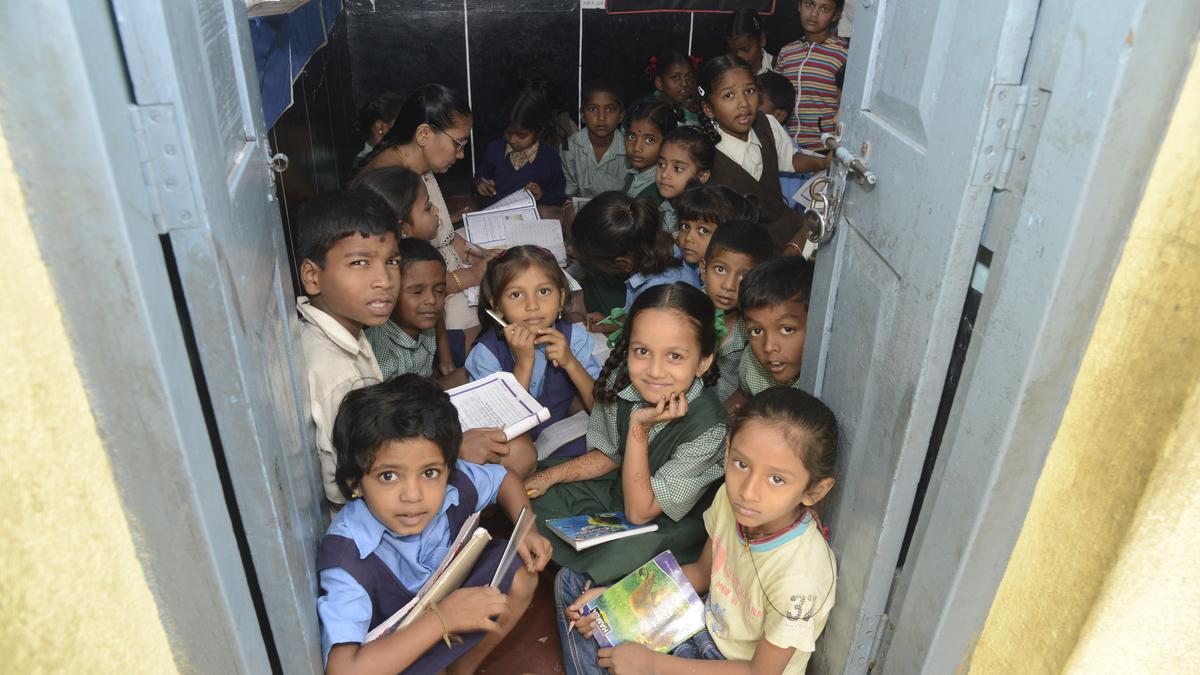
**Bengaluru, September 5, 2025:** Karnataka’s education system, often lauded as a national and international hub, is grappling with a severe crisis as over 85,000 teaching posts remain vacant across government-run institutions. The dire situation, spanning primary schools to universities, is threatening the quality of education and raising concerns about the future of the state’s academic landscape.
Despite the Right to Education Act promising free and compulsory education for all children aged 6-14, a shortage of teachers is a significant barrier to access. Government schools are struggling to provide basic education due to the critical staffing shortages.
Departments of School Education and Literacy (DSEL), Higher Education, Technical Education, Medical Education, and 32 public universities are all facing substantial vacancies. Adding to the woes, a pending court case has delayed the hiring of even guest faculty, who often fill the gaps left by permanent staff.
The shortage is also impacting the expansion of medical education. The National Medical Commission (NMC) recently rejected the state’s request to open new medical colleges, citing the lack of adequate teaching faculty.
“A large number of vacant teaching posts for many years” is also a reason for the decline in the quality of education, according to the final report of the State Education Policy (SEP) recently submitted to the State government.
“The process of filling these posts is under way,” said Madhu Bangarappa, Minster for School Education and Literacy. “Around 14,499 graduate primary teachers have been recruited in 2024. In the current year Budget, the Chief Minister has announced of recruiting for 5,267 teaching posts in Kalyana Karnataka and 5,000 in other regions.”
M.C. Sudhakar, Minister for Higher and Technical Education, said that the process is under way to remedy this. “Since the number of emerging courses has increased, steps will be taken to sanction additional posts accordingly. In addition, the process of recruiting 310 principal posts in government first-grade colleges is already in the final stage,” he said.
Experts warn of long-term consequences if the issue is not addressed urgently. Declining enrollment in state universities and deteriorating academic standards are potential outcomes of the ongoing crisis.
Former Higher Education Minister B.K. Chandrashekar emphasized the need to prioritize filling vacancies and strengthening existing institutions, rather than establishing new universities in every district. “Public universities are the backbone of higher education for the poorest of poor in society,” he stated.
The Karnataka government faces mounting pressure to take swift and decisive action to address the teacher shortage and safeguard the future of education in the state.
 First Piper