
Thu Sep 04 09:24:55 UTC 2025: **Summary:**
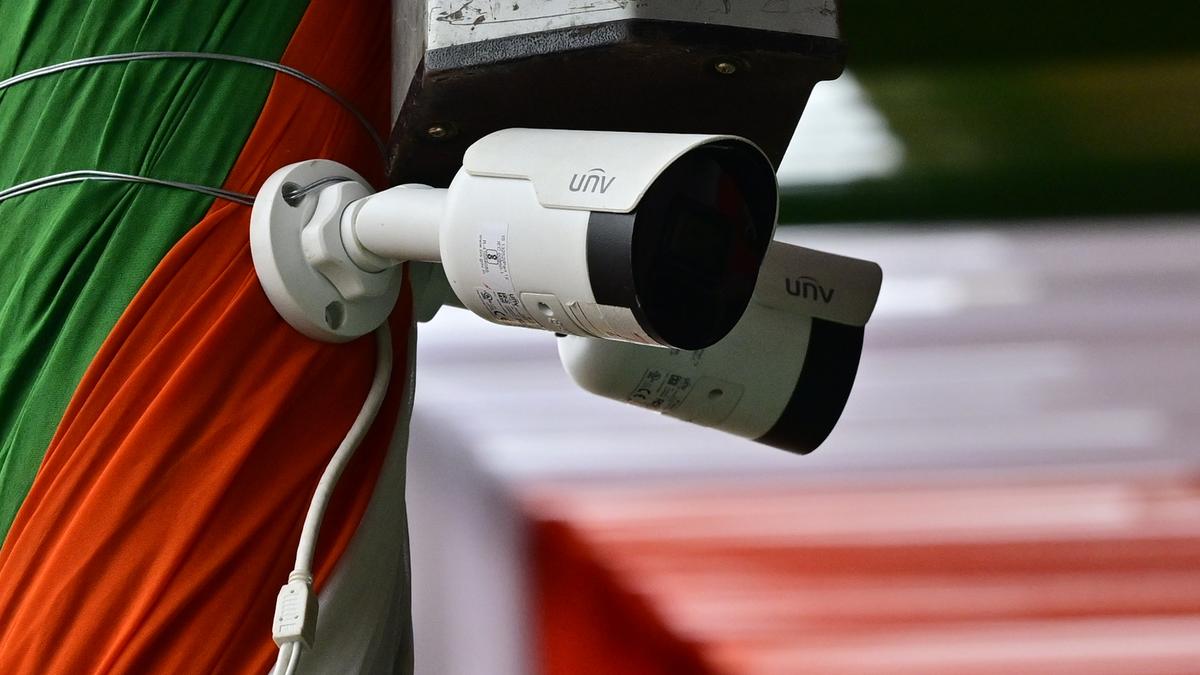
In 2020, the Supreme Court mandated the installation of CCTV cameras in police stations and offices of central law enforcement agencies with interrogation powers to deter custodial torture. However, due to recent reports of custodial deaths, the Supreme Court has reopened the issue, taking suo motu cognizance of a report highlighting 11 deaths in police custody over the past seven to eight months. The original ruling required CCTV cameras, recording equipment, oversight committees, and prominent signage informing people of their rights, with footage preserved for at least six months.
**News Article:**
**Supreme Court Reopens CCTV Mandate Amid Custodial Death Concerns**
**NEW DELHI – September 4, 2025** – The Supreme Court has reopened the issue of mandatory CCTV installation in police stations and central law enforcement agency offices, five years after its initial order. The move comes in response to alarming reports of custodial deaths across the country.
Justices Vikram Nath and Sandeep Mehta took *suo motu* cognizance of a Dainik Bhaskar report detailing approximately 11 deaths in police custody over the last seven to eight months. This has raised serious concerns about the implementation and effectiveness of the 2020 Supreme Court ruling in *Paramvir Singh Saini versus Baljit Singh*.
That landmark judgment, delivered by a Bench headed by Justice Rohinton F. Nariman (Retd.), mandated the installation of CCTV cameras and recording equipment in all police stations and interrogation offices of central agencies like the NIA, CBI, ED, NCB, DRI, and SFIO. The aim was to act as a deterrent against custodial torture and protect the fundamental rights to dignity and life.
The 2020 directive also mandated the formation of state and district-level oversight committees to monitor the installation, functionality, and maintenance of CCTV systems. Prominent posters informing citizens of their rights to complain about human rights violations were also required to be displayed at these offices. Footage was to be preserved for at least six months, with victims granted access.
The court’s decision to revisit the issue underscores growing concerns that the original mandate has not been adequately enforced, leading to continued human rights violations within law enforcement facilities. Further hearings are expected to determine what steps will be taken to ensure proper implementation and oversight of the CCTV mandate, holding authorities accountable and safeguarding the rights of individuals in custody.
 First Piper