
Wed Sep 03 07:52:10 UTC 2025: ## Summary of Text:
The Supreme Court of India has criticized Leena Paulose, wife of alleged conman Sukesh Chandrasekhar, for seeking an expedited hearing of her bail plea in a ₹200 crore extortion case before the Delhi High Court. The court stated it was unacceptable to approach the apex court for such requests simply due to its proximity. Paulose’s lawyer argued that the High Court had repeatedly listed the case but not heard it. The court agreed to an adjournment. Paulose and Chandrasekhar are accused of duping the wives of former Ranbaxy promoters of ₹200 crore and face other investigations, including a money laundering case. The Delhi Police have also invoked MCOCA in the case.
## News Article:
**Supreme Court Rebukes Wife of Alleged Conman for Bail Plea Tactic**
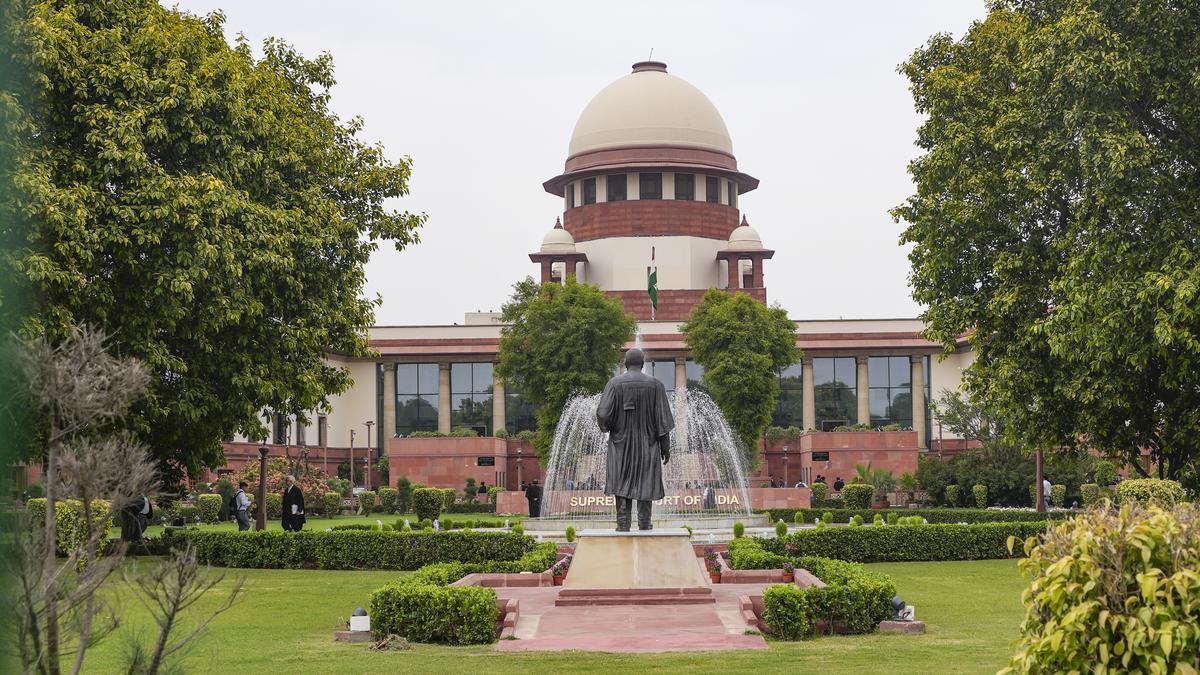
**New Delhi – September 3, 2025** – The Supreme Court of India today sharply criticized Leena Paulose, the wife of alleged conman Sukesh Chandrasekhar, for seeking an expedited hearing of her bail application in the Delhi High Court. Paulose is implicated in a ₹200 crore extortion case involving the wives of former Ranbaxy promoters.
A bench of Justices Dipankar Datta and Prashant Kumar Mishra expressed disapproval of the tactic, stating it was “not acceptable” for litigants to approach the Supreme Court for such requests solely due to its location. “Just because of the proximity of the Supreme Court, everyone comes here and then seeks adjournment,” the bench observed.
Paulose’s lawyer argued that the Delhi High Court had repeatedly listed the case for hearing but had failed to address it. The lawyer requested an adjournment, which the Supreme Court granted.
The case stems from accusations that Chandrasekhar and Paulose defrauded the wives of Shivinder Singh and Malvinder Singh, former promoters of Ranbaxy, of ₹200 crore. The couple is also facing multiple separate investigations, including a money laundering case being pursued by the Enforcement Directorate. Delhi Police have invoked the Maharashtra Control of Organised Crime Act (MCOCA) in the matter, alleging the use of hawala routes and shell companies to launder the proceeds of the crime. The Supreme Court’s rebuke highlights growing concerns about the handling of high-profile cases within the Indian judicial system.
 First Piper