
Tue Sep 02 07:19:05 UTC 2025: **Summary:**
A devastating 6.0 magnitude earthquake struck eastern Afghanistan on August 31, 2025, followed by several aftershocks, including a 5.2 magnitude tremor on September 2nd. The death toll has climbed to over 1,400 with more than 3,124 injured in Kunar province alone, making it one of the deadliest earthquakes in the country in decades. Rescue efforts are hampered by rough terrain and the remote location of affected villages. The UN is warning of a potential exponential rise in casualties and is urging the international community to provide immediate assistance. The earthquake compounds existing crises in Afghanistan, including deep cuts to aid funding, a weak economy, and the return of millions of refugees. International aid is limited due to competing global crises, reduced donor budgets, and opposition to the Taliban government’s policies.
**News Article:**
**Afghanistan Earthquake Death Toll Surpasses 1,400 Amid Aid Shortage**
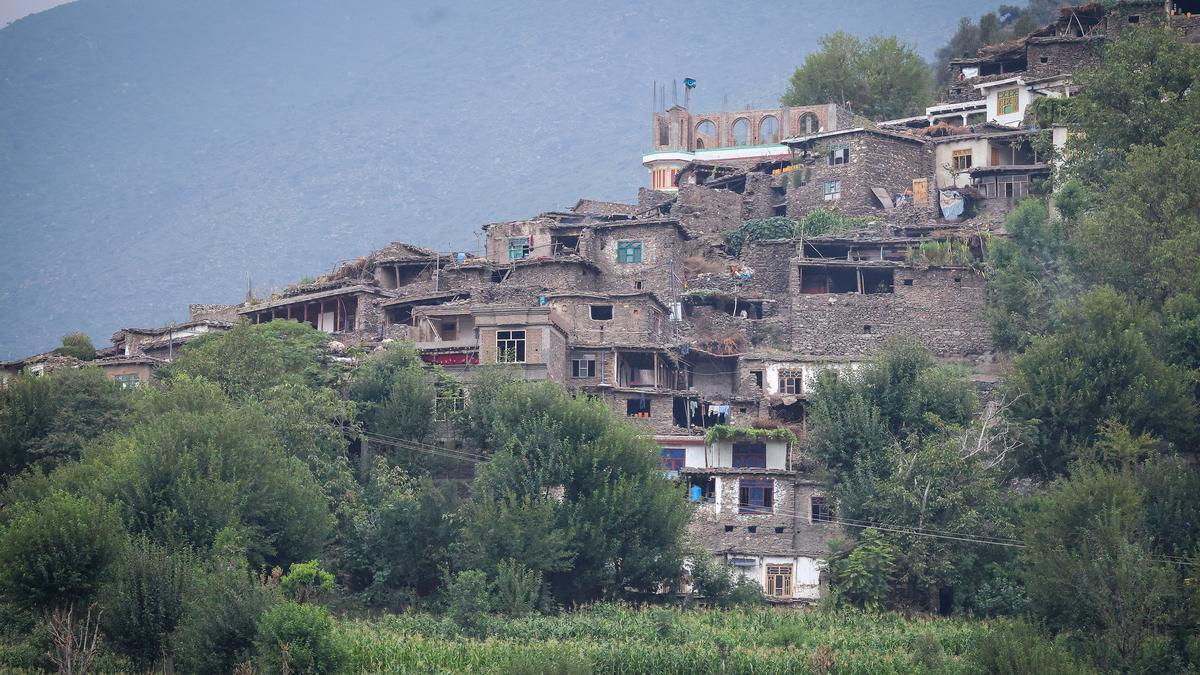
**Jalalabad, Afghanistan – September 3, 2025** – The death toll from the devastating 6.0 magnitude earthquake that struck eastern Afghanistan late Sunday has risen to over 1,400, with more than 3,124 injured in Kunar province, officials confirmed Tuesday. The quake, followed by a series of aftershocks, has leveled villages and trapped residents under the rubble of their homes.
Rescue efforts are underway, but are severely hampered by the remote, mountainous terrain and damaged infrastructure. The United Nations has warned of a potential exponential rise in casualties and is urgently appealing for international assistance.
“We cannot afford to forget the people of Afghanistan who are facing multiple crises,” said Indrika Ratwatte, the U.N.’s resident coordinator for Afghanistan. “These are life and death decisions while we race against time to reach people.”
The earthquake is the latest in a series of crises to hit Afghanistan, which is already grappling with deep cuts to aid funding, a struggling economy, and the forced return of millions of refugees from neighboring countries. Aid efforts are further complicated by international opposition to the Taliban government’s restrictive policies, particularly regarding women and girls.
The UN is reporting that hundreds of health facilities have been closed due to massive funding cuts. “The remaining facilities are overwhelmed, have insufficient supplies and personnel, and are not as close to the affected populations as the more local facilities at a time when providing emergency trauma care is needed in the first 24 to 72 hours of the earthquake response,” said Kate Carey, deputy head of the UN Office for the Coordination of Humanitarian Affairs in Afghanistan.
The Taliban government, which is recognized only by Russia, has appealed for aid from foreign governments and humanitarian organizations. However, the response has been limited due to competing global crises and reduced aid budgets in donor countries. The situation remains dire as survivors brace for another night without shelter and emergency aid struggles to reach those in need.
 First Piper