
Sat Aug 30 19:35:48 UTC 2025: **Summary:**
The Delhi High Court has strongly rebuked the argument from a rape accused that dropping the charges would be in the “best interest” of the minor victim to avoid stigma. Justice Girish Kathpalia stated that stigma should attach to the perpetrator, not the survivor, and ordered the accused to pay a penalty. The court also rejected the argument that the victim’s parents had “settled” the matter, emphasizing that only the victim could offer pardon, which is impossible given her minority. The case involves the accused allegedly blackmailing the minor victim with a video to coerce her into physical relations, leading to charges under POCSO and the Bharatiya Nyaya Sanhita.
**News Article:**
**Delhi High Court Slams “Obnoxious” Argument in Rape Case, Stresses Stigma on Perpetrator, Not Victim**
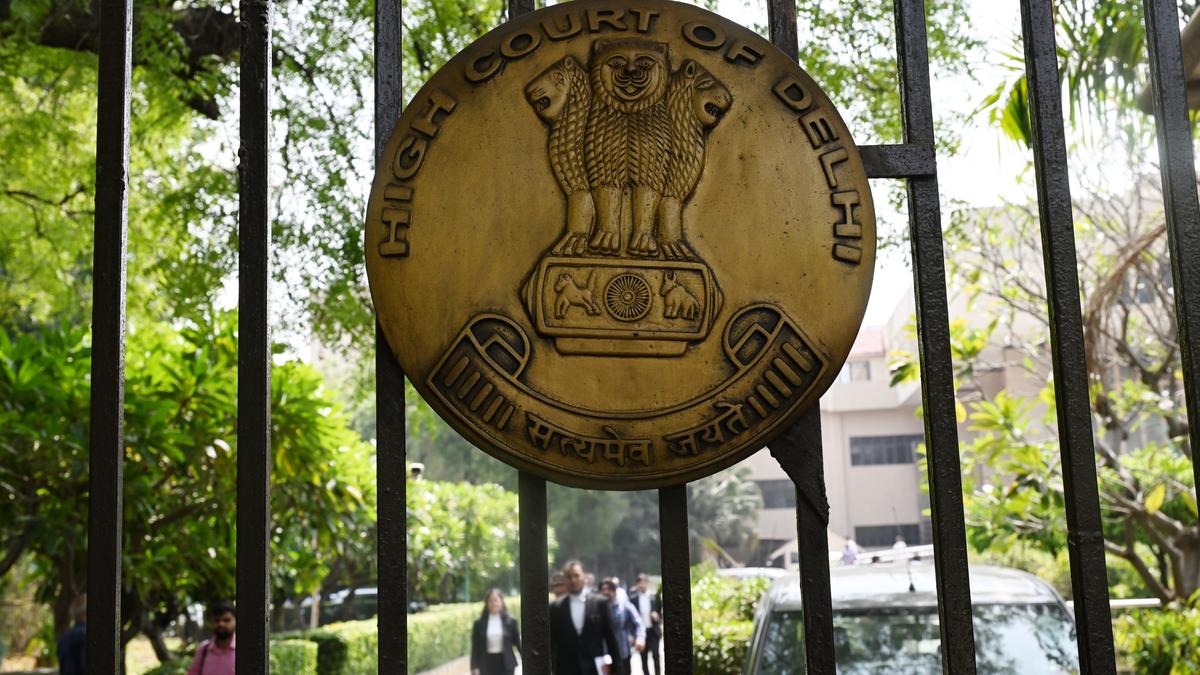
**New Delhi -** In a landmark ruling, the Delhi High Court has vehemently rejected a rape accused’s plea to quash proceedings, calling his argument “obnoxious” and highlighting the need for a societal shift in how we perceive stigma in such cases. Justice Girish Kathpalia, in a judgment delivered on August 29, 2025, stated that the stigma should be attached to the perpetrator of the crime, not the survivor.
The accused had argued that continuing the case would subject the minor victim to further stigma, but Justice Kathpalia firmly refuted this, emphasizing that the legal system and society must focus on holding offenders accountable and ending the practice of blaming victims.
“The stigma has to be, not on the victim of the wrong, but on the perpetrator of the wrong,” Justice Kathpalia stated in his judgment. “There has to be a paradigm shift in societal mindset by attaching stigma to the accused and not to the girl who underwent the horrid suffering by way of rape.”
The court not only denied the accused’s request to quash the proceedings but also imposed a cost of Rs 10,000, directing him to deposit the amount with the Delhi High Court Legal Service Committee.
Furthermore, the court dismissed the argument that the victim’s parents had reached a “settlement” with the accused. Justice Kathpalia clarified that only the minor victim could offer pardon, and that is impossible given her status.
The case stems from a 2024 FIR alleging that the accused recorded a video of the minor victim and used it to blackmail her into having physical relations. He is now charged under the provisions of the Protection of Children from Sexual Offences (POCSO) Act and the Bharatiya Nyaya Sanhita (BNS).
The High Court’s ruling sends a strong message against victim-blaming and reinforces the importance of holding perpetrators accountable for their actions. The decision is expected to have a significant impact on similar cases moving forward, promoting a more victim-centric approach within the Indian legal system.
 First Piper