
Tue Aug 26 07:08:30 UTC 2025: **Summary:**
The University Grants Commission (UGC) in India has drafted a Learning Outcomes-based Curriculum Framework (LOCF) intended to modernize undergraduate education and align with the National Education Policy (NEP) 2020. The LOCF aims for a holistic, multidisciplinary approach, integrating Indian Knowledge Systems (IKS). However, the Left Democratic Front (LDF) government in Kerala has strongly criticized the LOCF, alleging it promotes the Rashtriya Swayamsevak Sangh’s (RSS) Hindutva ideology through the inclusion of specific texts, biographies, and concepts in the curriculum. Concerns have also been raised by academics regarding the potential impact on multidisciplinary opportunities, language faculty positions, and inconsistencies in major/minor course alignments. The Kerala State Higher Education Council (KSHEC) will conduct a comprehensive study and formulate a response to the LOCF.
**News Article:**
**UGC’s New Curriculum Framework Sparks Controversy; Kerala Alleges Ideological Bias**
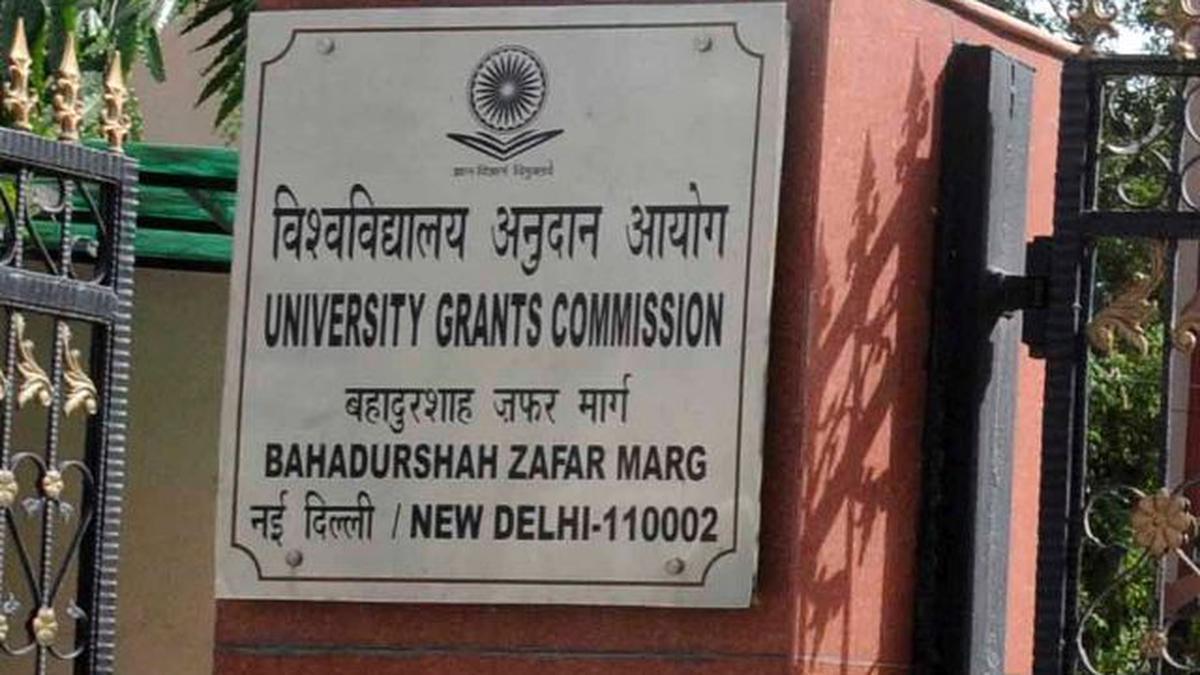
**New Delhi, August 26, 2025** – The University Grants Commission (UGC) is facing criticism over its draft Learning Outcomes-based Curriculum Framework (LOCF) intended to modernize undergraduate education across India. While the UGC touts the LOCF as a vehicle for promoting flexibility, innovation, and a multidisciplinary approach aligned with the National Education Policy (NEP) 2020, the Left Democratic Front (LDF) government in Kerala has vehemently opposed the framework.
Kerala’s Higher Education Minister, R. Bindu, has asserted that the LOCF aligns closely with the ideological positions of the Sangh Parivar, a family of Hindu nationalist organizations. The concerns stem from the inclusion of ancient texts like the Upanishads and the Mahabharata in sustainable development studies, as well as the recommendation to include biographies of figures like V.D. Savarkar and Deendayal Upadhyaya as suggested reading. Minister Bindu has also criticized proposals to examine concepts like ‘Ram Rajya’ within the context of corporate social responsibility.
Beyond the ideological concerns, some academics are worried about the potential impact of the LOCF on multidisciplinary learning opportunities and the job security of language faculty. Inconsistencies in learning outcomes for major and minor subjects have also been flagged.
The Kerala State Higher Education Council (KSHEC) has been tasked with conducting a comprehensive study of the LOCF and formulating a response. An expert committee will be formed to review the curriculum and submit recommendations. The UGC has sought feedback from stakeholders on its draft documents.
The controversy highlights the ongoing debate surrounding the implementation of the NEP 2020 and the potential for ideological influences in educational reforms. The outcome of the Kerala’s review will be critical in shaping the future of undergraduate education in the state and may influence the national conversation on curriculum development.
 First Piper