
Wed Aug 13 10:00:00 UTC 2025: **Headline: Kenyan Farmers Find Innovative Ways to Coexist with Elephants**
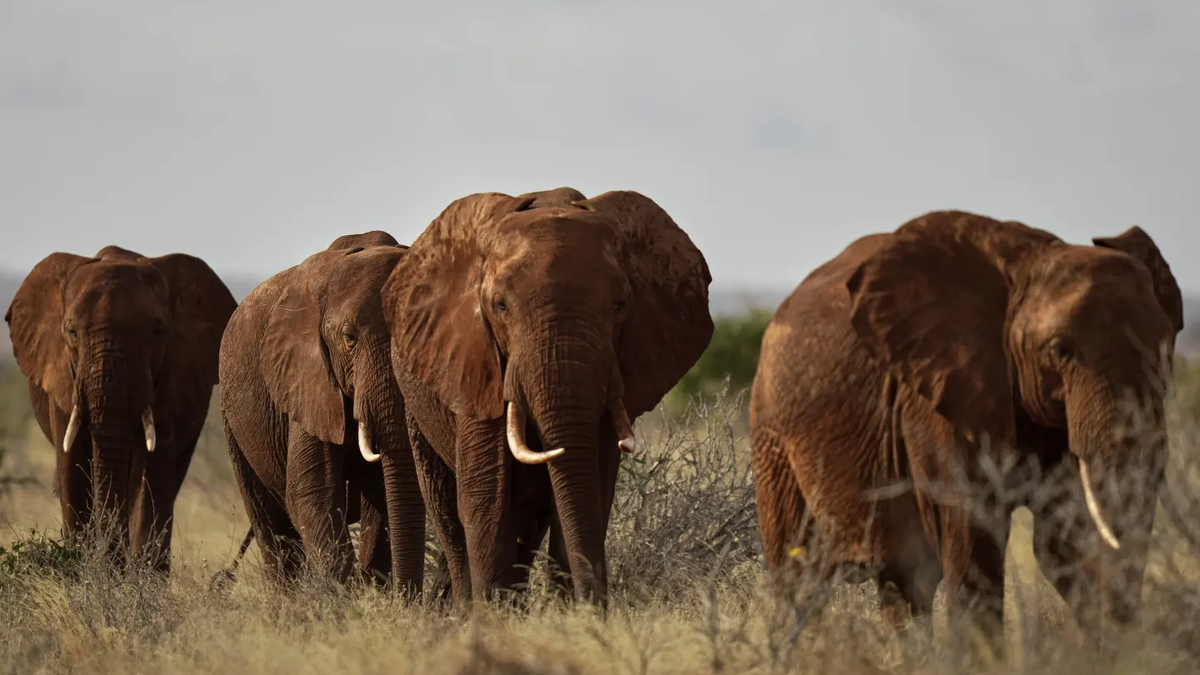
**Voi, Kenya -** For farmers in the Taita hills of southern Kenya, the majestic elephant has become a costly menace. Crop raiding, injuries, and even fatalities have become commonplace as expanding human activity encroaches on traditional elephant migratory routes around Tsavo National Park. However, local communities are finding innovative ways to protect their livelihoods while fostering coexistence.
Richard Shika, a 68-year-old farmer, recounts his near-death experience with an elephant in his maize field. Tragically, such encounters have had dire consequences for others.
“The places and infrastructure that we humans develop hinder the migratory routes and paths which elephants used to take,” explains Yuka Luvonga, a researcher at Save The Elephants. With elephants consuming around 150 kg of vegetation daily, safeguarding farms presents a significant challenge.
Traditional methods of deterring elephants often prove ineffective, leading to a dangerous escalation of conflict. Official estimates indicate that 30-35 people are killed in elephant-related incidents in Kenya annually.
Farmers are now implementing clever tactics to repel the animals without resorting to harmful measures. The most promising solution involves strategically placing beehives around farms. Elephants avoid bees.
Another approach involves shifting crops. While elephants favor maize and watermelons, they are repelled by sesame. Gertrude Jackim, 70, is among 100 farmers supported in adopting sesame seed production. “Over the years, the elephants have become too destructive,” she says.
Conservationists hope that these non-lethal methods will foster greater understanding and reduce conflict.
 First Piper