
Mon Aug 18 05:03:00 UTC 2025: **Summary:**
The city of Belagavi, India, has expanded its 24/7 water supply project to four additional wards, bringing the total to 14 out of 58 wards. The project, which began a decade ago and was approved in 2018-19, uses the same water sources (Hidkal dam and Rakkasakoppa reservoir) as the older system, but a new distribution network. The inauguration ceremony was attended by government officials and local leaders. The Karnataka Urban Infrastructure Development Finance Corporation (KUIDFC), in collaboration with L&T, commissioned the new service under the Karnataka Urban Water Supply Modernization Project (KUWSMP).
**News Article:**
**Belagavi Expands 24/7 Water Supply to More Wards**
Belagavi, August 18, 2025 – Residents in Belagavi are experiencing improved water access as the city’s civic body extended its 24/7 water supply service to four more wards. The inauguration, held on August 15th, brings the total number of wards with round-the-clock water access to 14 out of the city’s 58. The project, initially launched a decade ago and officially approved in 2018-19, aims to modernize the city’s water infrastructure.
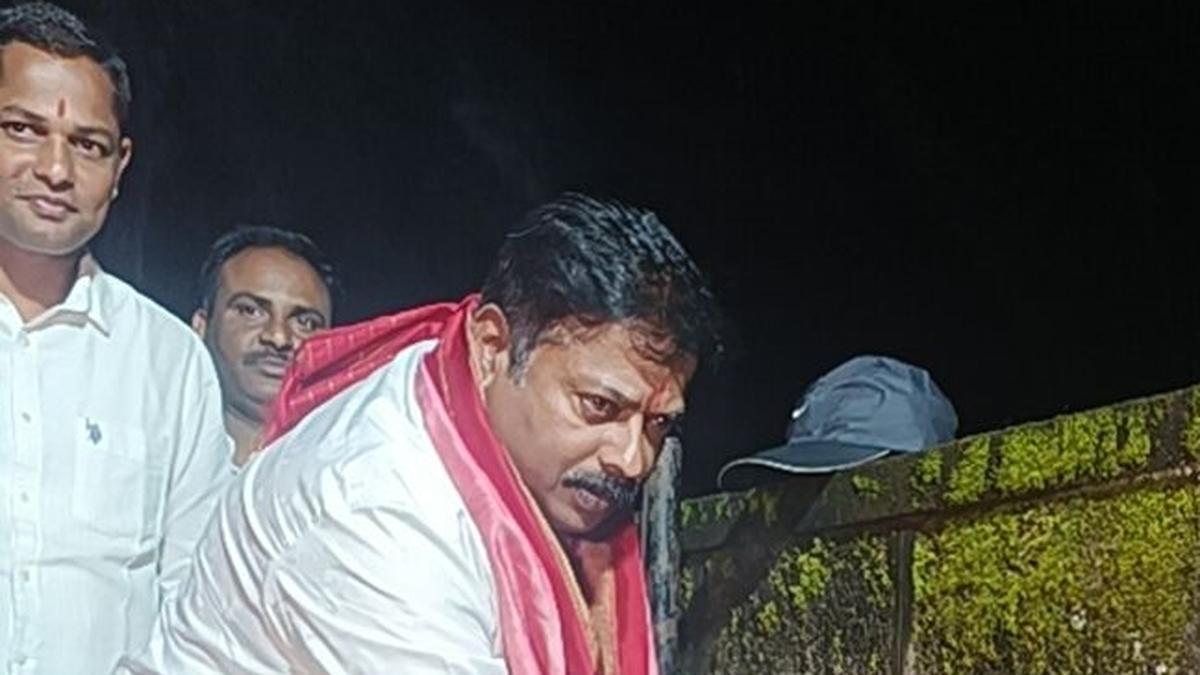
The expansion was celebrated with an inauguration ceremony attended by PWD Minister Satish Jarkiholi, MLAs Abhay Patil and Asif (Raju) Sait, along with Mayor Mangesh Pawar and other local officials. According to MLA Abhay Patil, the new system will serve approximately 1,500 households in Rani Channamma Nagar. Minister Jarkiholi added that round-the-clock water supply would reach 2,000 houses in Kanabaragi and surrounding areas.
The project is being carried out under the Karnataka Urban Water Supply Modernization Project (KUWSMP) and is a collaborative effort between the Karnataka Urban Infrastructure Development Finance Corporation (KUIDFC) and L&T. While the new system utilizes a distinct distribution network, both the new and old systems draw water from the same sources: Hidkal dam and Rakkasakoppa reservoir. Currently, the remaining 44 wards continue to rely on the older system, receiving water only twice a week.
 First Piper