
Sun Aug 03 13:30:00 UTC 2025: **Summary:**
Georgia Power is proposing a massive 10,000-megawatt expansion of its energy generation fleet over the next five years, primarily driven by the increasing demand from data centers. The plan includes building new gas-fired power plants, adding battery storage systems, and incorporating some solar energy. While the company claims this expansion will ultimately benefit residential customers by putting “downward pressure” on rates, environmentalists and consumer advocates are concerned about the reliance on gas plants, potential rate hikes due to gas price volatility, and the long-term environmental impact. The Georgia Public Service Commission (PSC) must approve the plan, and public hearings are expected before a final decision is made after the November elections. Concerns also arise regarding transparency, as a scheduled rate case was forgone, potentially leading to unexpected cost increases for consumers.
**News Article:**
**Georgia Power Proposes Massive Energy Expansion, Sparking Debate Over Gas Reliance and Rate Hikes**
**Atlanta, GA** – Georgia Power has unveiled a sweeping plan to expand its energy generation capacity by 10,000 megawatts over the next five years, citing a surge in demand from data centers across the state. The proposal, filed with the Georgia Public Service Commission (PSC) late Wednesday, includes constructing new gas-fired power plants, installing battery storage systems, and adding limited solar energy resources.
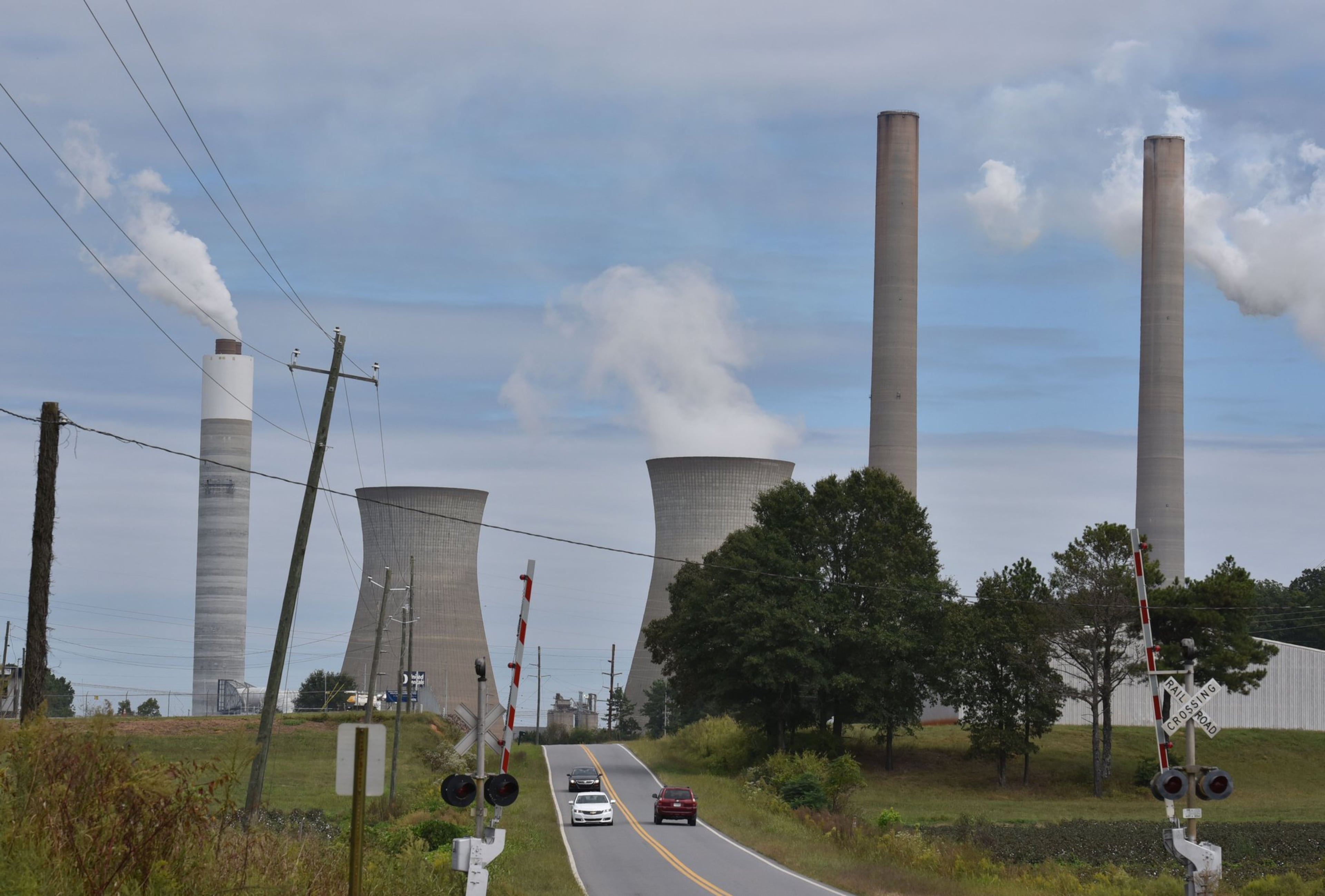
The $15 billion proposal includes building new gas-burning units at Plant Bowen near Cartersville, Plant Wansley outside Newnan and Plant McIntosh near the Georgia-South Carolina border. Georgia Power also wants permission to buy power from other gas-burning plants in Georgia and Alabama, and is seeking to install battery storage systems at nine sites across the state. At two others, the company wants to pair batteries with solar arrays.
Georgia Power claims the expansion is necessary to meet the growing electricity needs of the state and will eventually benefit residential customers. Senior Vice President Rick Anderson stated the plan would “help us meet the needs of a growing Georgia with reliable and resilient energy while delivering long-term value for all of our customers.”
However, the proposal is already facing strong opposition. Environmental groups, like the Southern Environmental Law Center, argue that the heavy reliance on natural gas is a risky bet, exposing customers to price volatility and contributing to climate change. “The more we invest in fossil fuels, the more uncertain customer bills will be,” said Jennifer Whitfield, a senior attorney with the Southern Environmental Law Center.
Consumer advocates, including Georgia Watch, are also raising concerns about the potential for significant rate hikes, especially in the absence of a scheduled rate case that would have provided a thorough review of the company’s finances.
The PSC must approve the plan before it can move forward. Public hearings are expected to be held before a final decision is made after the November elections, where two of the commission’s five seats are up for grabs. The debate centers on whether the benefits of increased capacity outweigh the potential risks of relying heavily on natural gas and the lack of immediate financial transparency for consumers. The outcome will significantly impact Georgia’s energy landscape for decades to come.
 First Piper