
Sat Aug 02 05:45:41 UTC 2025: **Summary:**
The United States, under President Donald Trump, has imposed a 25% tariff on Indian imports, citing India’s high tariffs, non-monetary trade barriers, and its continued trade with Russia, particularly in energy and military equipment. India defends its energy sourcing decisions as based on price and availability, and its military procurement as driven by national security needs. India’s exports to the U.S. in 2024-25 were valued at over $86 billion, while imports were over $45 billion. The U.S. accounts for a significant portion of India’s exports, especially in sectors like telecom equipment. India’s increased reliance on discounted Russian energy has drawn criticism amid Western sanctions, but India maintains it’s acting in its own economic interest.
**News Article:**
**U.S. Slaps 25% Tariff on Indian Imports, Citing Trade Imbalances and Russia Ties**
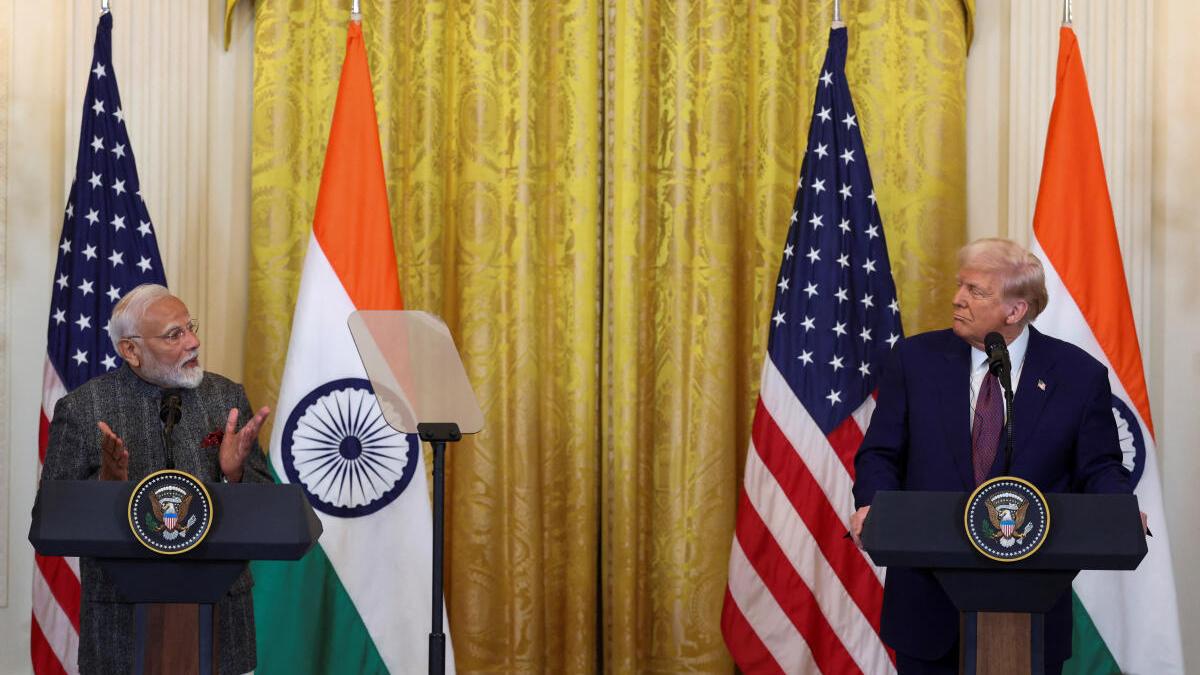
**Washington D.C. – August 2, 2025** – The United States, under the leadership of President Donald Trump, has announced a 25% tariff on all Indian imports, effective August 1, 2025. The move, revealed via a post on the President’s Truth Social platform, comes after a 90-day pause in tariff implementation announced in April. President Trump cited India’s “too high” tariffs and “strenuous and obnoxious non-monetary trade barriers” as justification for the tariffs.
In 2024-25, India’s exports to the U.S. were valued over 86,000 million dollars, with imports being over 45,000 million dollars. In terms of percentage, the U.S. made up around 20% of India’s exports and 6.3% of its imports.
The move also appears linked to India’s continued trade relations with Russia, specifically in the energy and military sectors. Despite Western sanctions imposed following Russia’s invasion of Ukraine, India has significantly increased its imports of Russian energy, taking advantage of discounted prices. President Trump, who has been attempting to mediate a ceasefire between Russia and Ukraine, has publicly criticized this trade.
“India continues to benefit from purchasing discounted Russian oil, undermining efforts to pressure Russia to end the conflict,” stated President Trump.
India’s Ministry of External Affairs defended the country’s energy sourcing decisions, with Spokesperson Randhir Jaiswal stating that choices were “based on the price at which oil is available in the international market and depending on the global situation at that time.”
Furthermore, India’s reliance on Russian military equipment was another point of contention. While India is reportedly seeking to diversify its arms procurement and boost domestic production under Prime Minister Modi’s ‘Make in India’ program, Russia remains a significant supplier.
“Sourcing [of military equipment] is determined solely by our national security imperatives and strategic assessments,” clarified Mr. Jaiswal.
The new tariffs are expected to significantly impact bilateral trade between the two countries. India’s major exports to the U.S. include telecom equipment, drug formulations, textiles, petroleum, and precious stones. The long-term consequences of the trade war are uncertain.
 First Piper