
Fri Aug 01 21:15:00 UTC 2025: **FOR IMMEDIATE RELEASE**
**Red Panda Cubs Bring Hope to Sikkim Conservation Efforts**
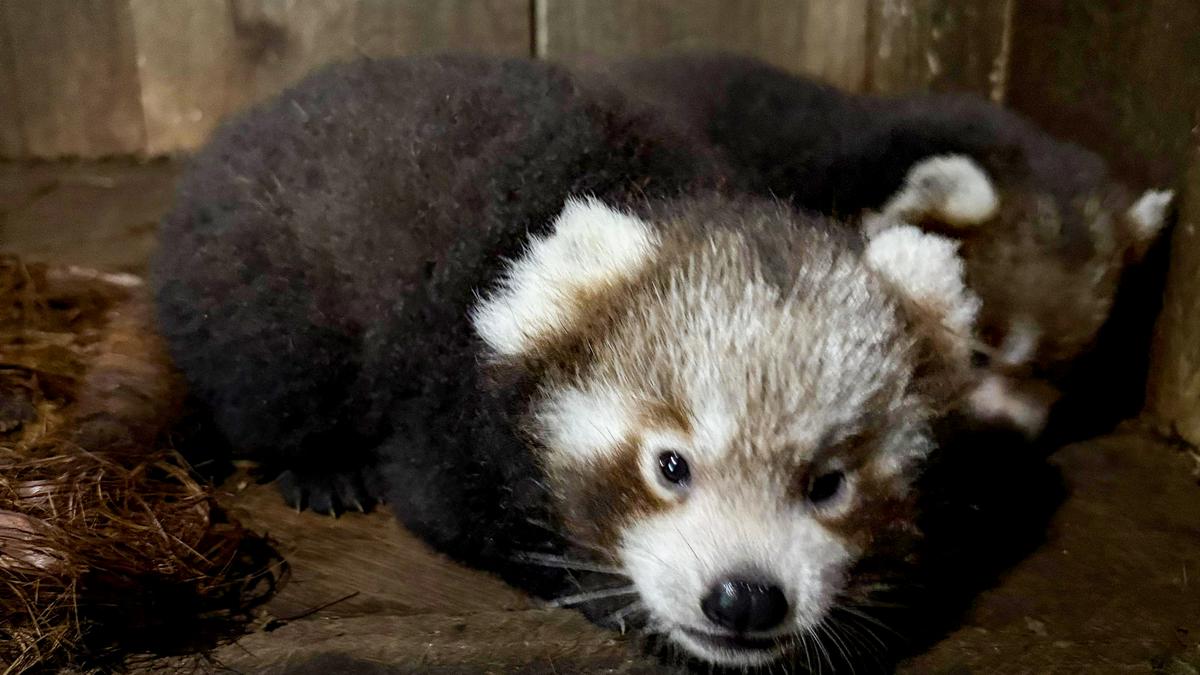
**Guwahati, India – August 2, 2025 (02:45 am IST)** – The Himalayan Zoological Park near Gangtok, Sikkim, is celebrating the birth of two red panda cubs, a significant boost to its Red Panda Conservation Programme after a seven-year hiatus.
Parents Lucky-II and Mirak welcomed their first litter on June 15th, but the announcement was made on Friday, August 1, 2025. The births are particularly encouraging after the program faced challenges including canine distemper outbreaks that decimated the captive red panda population. Canine distemper is a highly contagious and potentially fatal viral disease that affects the respiratory, gastrointestinal, and nervous systems of dogs and other carnivores.
“This birth is especially heartening as it comes after a difficult seven-year period,” said Park Director Sangay Gyatso. He highlighted the program’s origins, starting with a female red panda from Rotterdam Zoo and a male from Darjeeling’s Padmaja Naidu Himalayan Zoological Park, and further strengthened by the addition of a wild-origin pair in 2005. All red pandas born under the program are tracked via international studbooks to ensure genetic health and global breeding cooperation.
In a unique observation, the male, Lucky-II, was seen participating in nest-building, a behavior rarely seen in red panda males.
The cubs will remain out of public view for the time being. They will stay with their mother for over a year, reaching full size by 12 months and sexual maturity by 18 months. Their health and compatibility will then be assessed as part of future breeding strategies.
“The birth of these cubs is a beacon of hope for the conservation of the endangered red panda in Sikkim,” Gyatso stated, “and highlights the resilience of the program and its dedicated team.”
The Himalayan Zoological Park, located 3 km from Gangtok at an elevation of 1,780 metres, is home to several endangered species, including the snow leopard, Himalayan black bear, and crimson-horned pheasant.
 First Piper