
Tue Jul 29 00:00:00 UTC 2025: **Summary:**
A new study published in *Nature Cities* reveals that over 158 million slum dwellers in India are at risk of flooding, the highest number globally. The research, which analyzed satellite images of informal settlements in 129 low- and middle-income countries, highlights the disproportionate vulnerability of these communities due to factors like poverty, lack of access to resources, and inadequate risk management strategies. The study emphasizes the need for human-centric approaches to flood adaptation, focusing on improving infrastructure, providing basic services, and involving communities in disaster preparedness.
**News Article:**
**India Home to World’s Largest Population of Flood-Vulnerable Slum Dwellers**
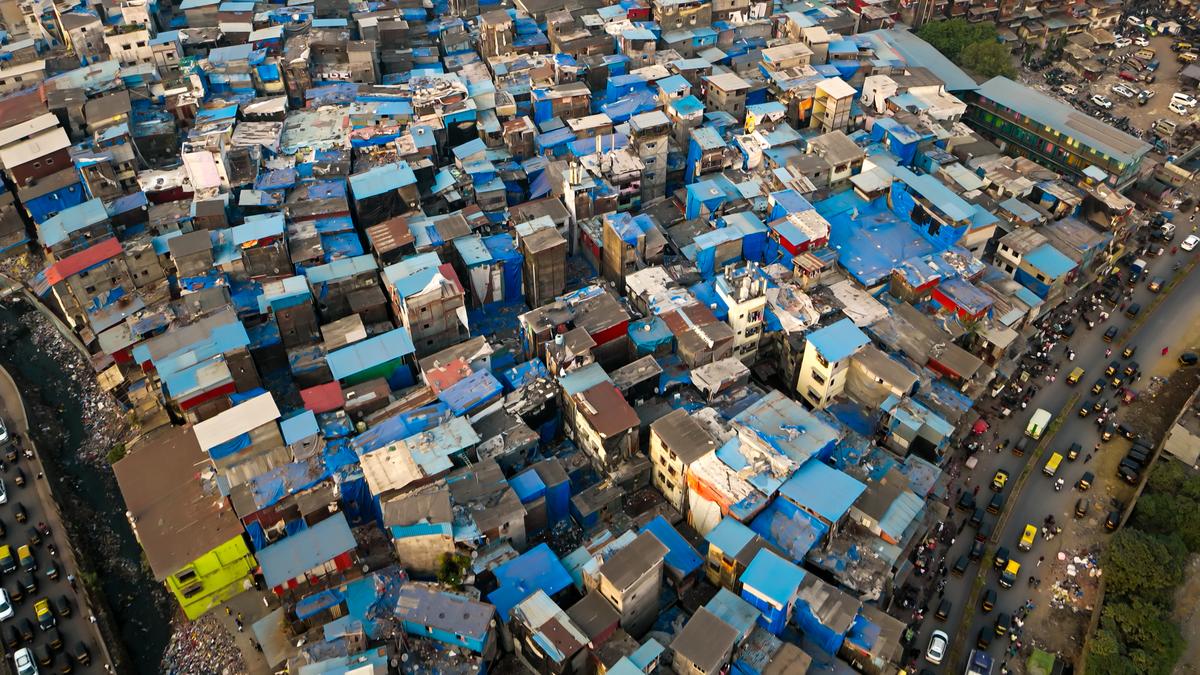
*Bengaluru, July 29, 2025* – A groundbreaking study published in *Nature Cities* has revealed a stark reality: India is home to the world’s largest population of slum dwellers living in areas highly vulnerable to flooding. The study estimates that over 158 million people residing in informal settlements across the country are at risk, exceeding the entire population of Russia.
Researchers analyzed satellite imagery of informal settlements in 129 low- and middle-income countries, comparing them with maps of well-documented large-scale floods. The findings showed that a staggering 33% of informal settlements in the Global South, encompassing around 445 million people, are located in areas that have already experienced flooding. India, along with countries like Indonesia, Bangladesh, and Pakistan, emerged as major “hotspots.”
The concentration of vulnerable populations in floodplains is driven by a complex interplay of factors, including limited access to affordable land and housing, proximity to job opportunities, and the absence of effective risk management strategies targeting these communities. Aysha Jennath, a climate mobility researcher at the Indian Institute for Human Settlements, noted that informal settlements often spring up in flood-prone areas shunned by developers due to their cheaper land costs.
The study underscores the urgent need for a shift towards human-centric approaches to flood adaptation. This includes improving infrastructure, providing essential services like sanitation and waste management, and actively involving communities in disaster preparedness and mitigation efforts. Researchers also highlight the importance of governments collaborating with communities to enhance resilience and provide job opportunities, such as skills training in sanitation and drainage system installation.
“These data-driven insights highlight the disproportionate flood exposure faced by slum dwellers in the Global South and underscore the need for just and equitable flood adaptation management,” the authors stated.
The findings serve as a wake-up call for policymakers and urban planners, emphasizing the critical need to prioritize the needs of vulnerable communities as the 2030 deadline for the United Nations’ Sustainable Development Goals approaches. The study also demonstrates the power of machine learning in analyzing large datasets to extract nuanced insights and predict future flood risks.
 First Piper