
Fri Jul 25 22:00:00 UTC 2025: **NEWS ARTICLE**
**Maharashtra Forts to Get Local Heritage Guides After UNESCO Recognition**
**Mumbai, July 26, 2025** – Following the inscription of the Maratha Military Landscapes of India on the UNESCO World Heritage List on July 11th, the Maharashtra government is launching a program to train and certify local residents as heritage guides at the 12 forts included in the listing. This initiative aims to boost tourism, promote conservation, and involve local communities in preserving their historical heritage.
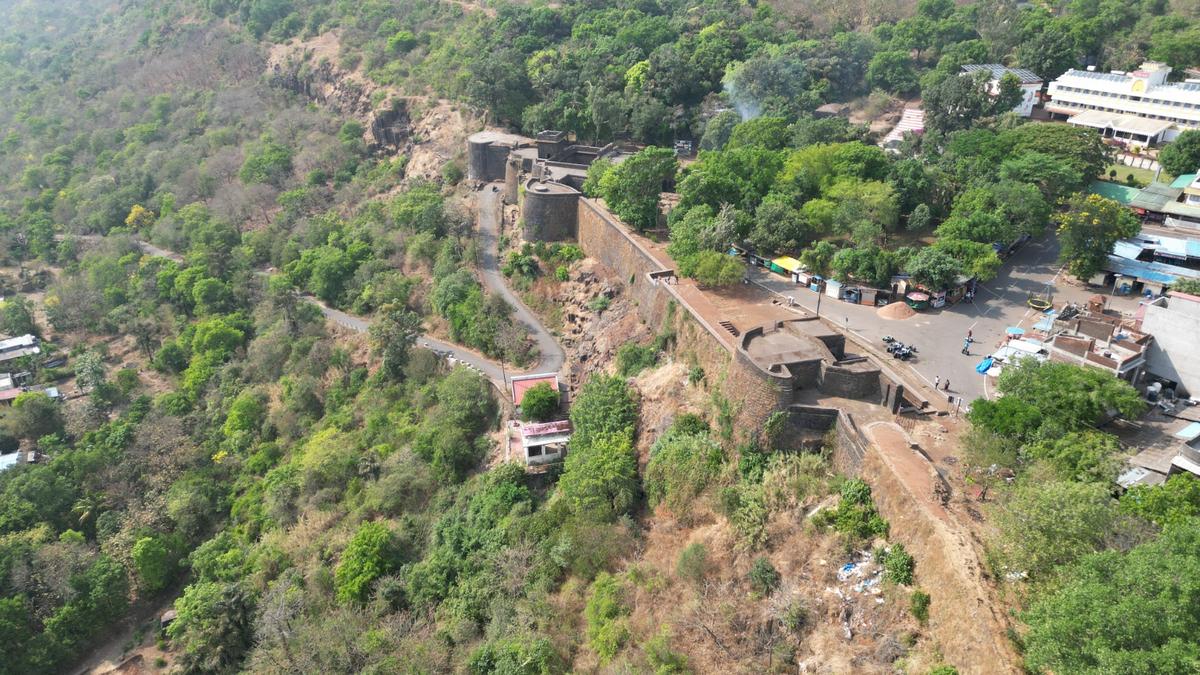
The 12 forts, eleven in Maharashtra and one in Tamil Nadu, earned their UNESCO status for representing the military innovation, ecological adaptation, and architectural excellence of the Maratha Empire under Chhatrapati Shivaji Maharaj. The forts include Salher, Shivneri, Lohagad, Khanderi, Raigad, Rajgad, Pratapgad, Suvarnadurg, Panhala, Vijaydurg, Sindhudurg and Gingee (Tamil Nadu).
According to Hemant N. Dalavi, Deputy Director of the Directorate of Archaeology and Museums (DoAM), the next steps involve improving conservation efforts, developing tourism amenities, site management plans, and launching public education programs. The guide certification program is a central part of this strategy.
“We are proposing a guide certification program for the local residents who have more knowledge of the area,” said Mr. Dalavi. “The tourism department will announce this program this year itself. We are still deciding on the minimum education qualification.”
The program seeks to provide employment opportunities for local communities while enhancing the visitor experience by providing culturally informed and historically accurate information.
The DoAM, along with the Archaeological Survey of India (ASI) and heritage consultancy DRONAH, surveyed and analyzed over 390 forts to identify the 12 anchor forts that best represent the Maratha Defence Network. An additional 53 buffer forts have also been documented for potential future inclusion.
The State plans to upgrade visitor facilities and conduct further excavation and public outreach activities. The guided training program will be a key step in involving the local population in the heritage economy and conservation.
 First Piper