
Thu Jul 24 12:00:30 UTC 2025: **Summary:**
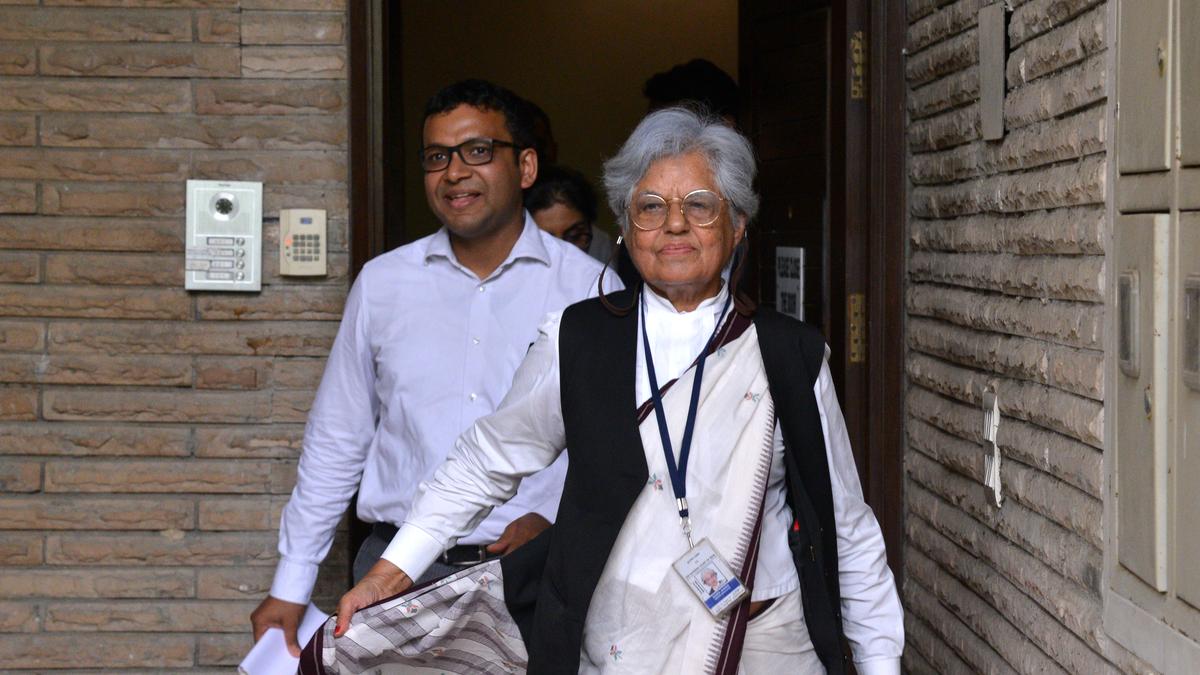
Senior Advocate Indira Jaising, acting as amicus curiae in the Nipun Saxena v. Union of India case, has urged the Supreme Court to reconsider the age of consent in India. She argues that the current law, criminalizing consensual sexual activity between adolescents aged 16-18 under POCSO and IPC, is unconstitutional, ignores their autonomy, and equates consensual relationships with abuse. She cites rising POCSO cases involving adolescents in consensual relationships, often fueled by parental disapproval of inter-caste or inter-faith pairings. She proposes a “close-in-age” exception to decriminalize such consensual acts, referencing international norms, Indian jurisprudence, and observations from various High Courts. Jaising emphasizes that criminalizing consensual sex forces young couples into dangerous situations and that sexual autonomy is a fundamental right, urging the court to exclude consensual acts between 16-18-year-olds from the purview of POCSO and rape laws.
**News Article:**
**Supreme Court Urged to Reconsider Age of Consent: Advocate Argues Law Criminalizes Adolescent Relationships**
**New Delhi, July 24, 2025:** A landmark plea has been filed before the Supreme Court, challenging the current laws criminalizing consensual sexual activity between adolescents aged 16 to 18. Senior Advocate Indira Jaising, appointed as amicus curiae in the Nipun Saxena v. Union of India case, has submitted a detailed argument urging the court to “read down” the age of consent, asserting that the existing legal framework under the Protection of Children from Sexual Offences Act (POCSO), 2012 and Section 375 of IPC, violates the constitutional rights of adolescents.
Jaising argues that the current law wrongly equates consensual relationships with abuse, overlooking the maturity, autonomy, and capacity of adolescents to consent. She highlighted a 180% increase in POCSO prosecutions involving minors aged 16-18 between 2017 and 2021, with a significant number of cases stemming from parental disapproval of inter-caste or inter-faith relationships.
“Criminalizing sex between teenagers is arbitrary, unconstitutional, and against the best interests of children,” Jaising stated in her submission. She proposed a “close-in-age” exception, which would exempt consensual sexual acts between adolescents aged 16 to 18 from prosecution under POCSO and IPC.
Drawing upon international norms and Indian jurisprudence, including the Puttaswamy privacy judgement, Jaising argued that “autonomy in decision-making is central to the right to privacy” and should extend to adolescents capable of making informed sexual choices. She cited trends in various High Courts, where judges have expressed concerns over the automatic prosecution of adolescent boys under POCSO in consensual relationships.
Jaising concluded by urging the Supreme Court to declare that consensual sex between adolescents aged between 16 and 18 is not a form of abuse and should be excluded from the purview of POCSO and rape laws. She also called for a review of the mandatory reporting obligations under Section 19 of POCSO, which may deter adolescents from seeking safe medical care. The case promises to be a pivotal moment in defining the legal and social understanding of adolescent sexuality in India.
 First Piper