
Sat Jul 19 06:20:47 UTC 2025: **News Article:**
**Syria’s Miscalculated Move in Sweida Sparks Israeli Strikes, Regional Instability**
**DAMASCUS/BEIRUT -** A miscalculation by the Syrian government regarding Israeli and U.S. responses to its troop deployment in southern Syria has triggered a dangerous escalation, culminating in Israeli strikes on Syrian troops and Damascus itself. The incident, which occurred on Wednesday (July 16, 2025), has raised concerns about regional stability and the future of Syria.
Sources familiar with the matter told Reuters that Damascus believed it had tacit approval from both the U.S. and Israel to dispatch forces to Sweida, a Druze-majority city, despite prior warnings from Israel not to do so. This understanding stemmed from public statements by U.S. special envoy for Syria, Thomas Barrack, advocating for a centralized Syrian state, and nascent security talks with Israel.
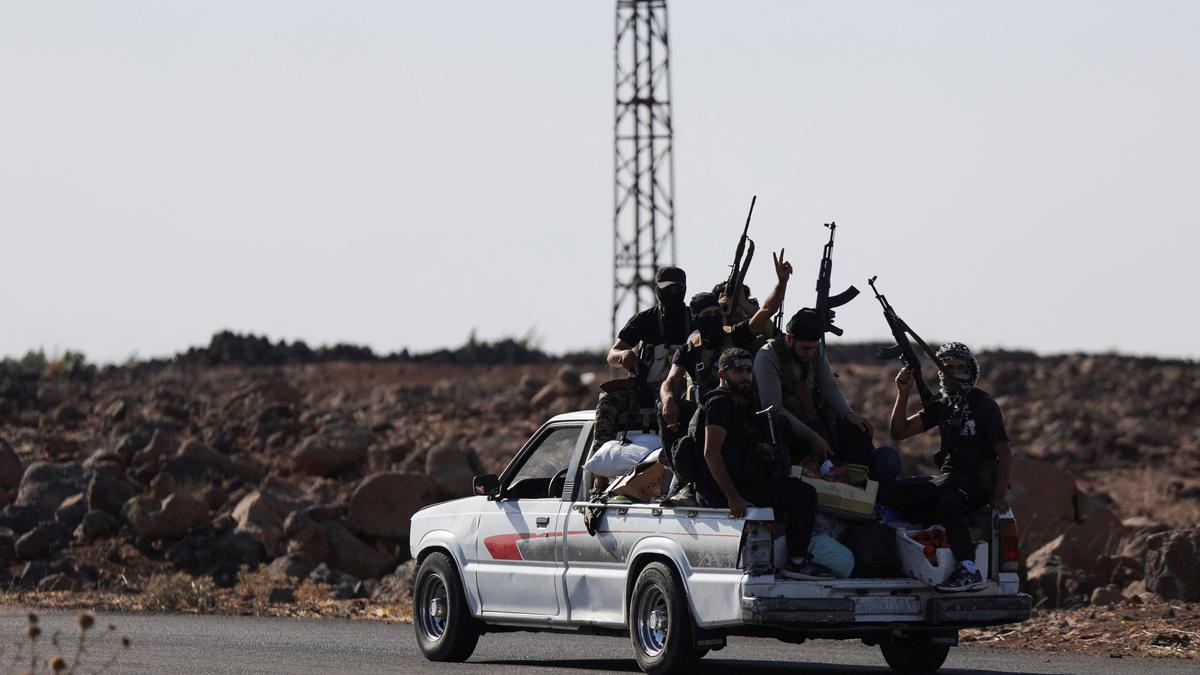
Syrian forces were sent to Sweida on Monday to quell fighting between Bedouin tribes and Druze factions. However, violence attributed to Syrian troops, including alleged field executions and humiliation of Druze civilians, prompted swift Israeli retaliation. Prime Minister Benjamin Netanyahu stated that Israel intervened to protect the Druze and uphold the demilitarized status of southern Syria.
The U.S. and other international actors quickly intervened to secure a ceasefire, with U.S. Secretary of State Marco Rubio describing the incident as a “misunderstanding.” However, the situation highlights deep-seated distrust and miscommunication between key players in the region.
Reports indicate that Syria believed talks with Israel in Baku had yielded an understanding regarding troop deployment to Sweida. A Syrian military official claimed U.S. officials were informed of the deployment plans but did not object, leading Damascus to believe it had been tacitly approved.
Analysts, such as Joshua Landis of the University of Oklahoma, suggest that Syrian leader Ahmed al-Sharaa overplayed his hand, misinterpreting U.S. statements against federalism as a green light to impose central government control by force.
The violence has resulted in a significant death toll, with the Syrian Network for Human Rights reporting at least 321 fatalities, including civilians and medical personnel.
The incident underscores the fragile state of Syria and the potential for further fragmentation. With distrust high among minorities and concerns about the government’s reliance on militia groups, there are growing fears that Syria may be headed towards further division.
Despite the escalation, a Syrian official stated that the Sweida operation aimed to preserve peace and unity in the country. Syria remains open to re-engaging in the region whenever appropriate conditions arise, including clear guarantees from the United States that Israel will not intervene.
The strikes also caught US energy companies who were in Damascus for meetings.
The situation remains fluid and underscores the complex interplay of regional and international interests in Syria.
**Summary of Text:**
This article reports on the recent escalation of conflict in Syria, focusing on Israel’s strikes on Syrian troops and Damascus following the Syrian government’s deployment to Sweida. Damascus believed it had tacit approval from the U.S. and Israel for the deployment, but this proved to be a miscalculation. The article highlights the role of U.S. messaging, Israeli security concerns, and internal Syrian dynamics in the conflict. It also mentions the resulting death toll, regional fears of fragmentation, and international efforts to secure a ceasefire. The incident underscores the fragile state of Syria and the complex interplay of regional and international interests.
 First Piper