
Fri Jul 18 06:45:28 UTC 2025: **Summary:**
On July 18, 2025, three elephants, including a calf, were killed after being struck by a train near Jhargram and Banstala railway station in southern Bengal. The Divisional Forest Officer (DFO) had alerted railway officials hours before about elephant movement in the area. The DFO suspects that multiple trains were involved based on the spread of the elephant remains. Railway officials are investigating the incident, including train speeds and notification protocols. The accident disrupted train services for three hours. Elephant deaths due to train collisions have been relatively low in West Bengal in recent years, despite consistent elephant movement and 26 identified elephant corridors across the state.
**News Article:**
**Three Elephants Killed by Train in West Bengal, Sparking Investigation**
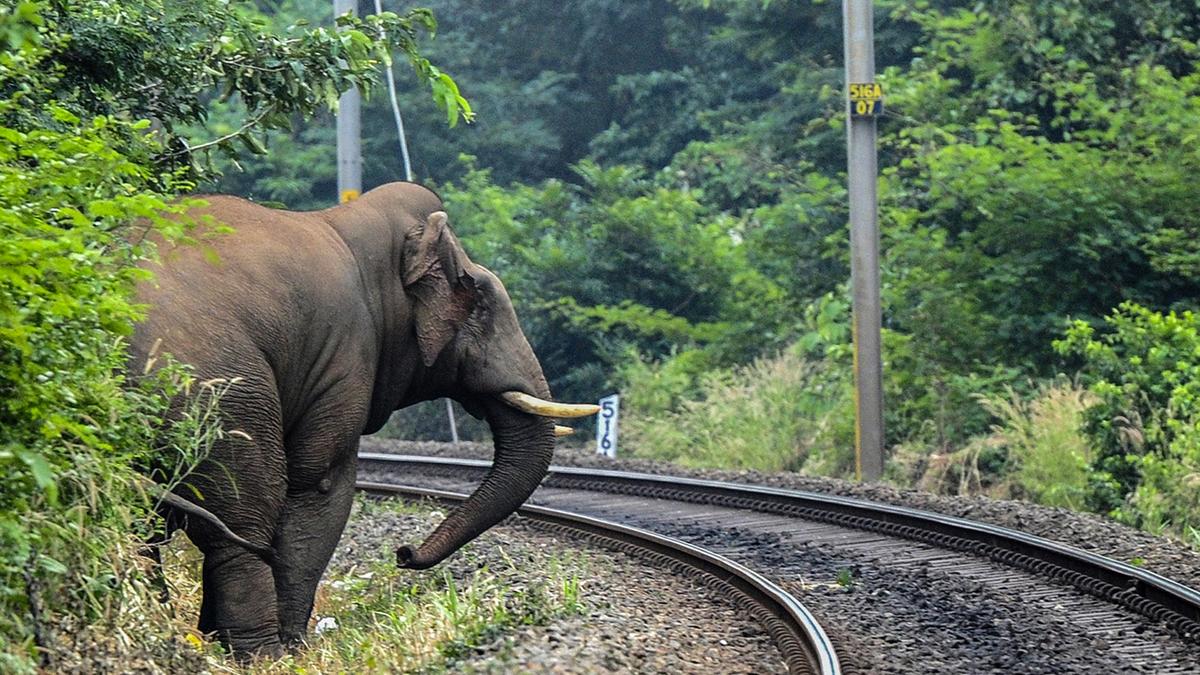
**Kolkata, July 18, 2025:** A tragic incident occurred in the wee hours of Friday morning in southern Bengal, where three elephants, including a calf, were struck and killed by a train. The incident took place on the railway tracks between Jhargram and Banstala railway station, raising serious questions about railway safety protocols in areas known for elephant movement.
According to Umar Imam, the Divisional Forest Officer (DFO) of Jhargram, the forest department had notified railway officials at 10:56 PM on Thursday about increased elephant activity near the tracks. The accident occurred approximately three hours later, around 1:45 AM, when the Barbil Howrah Jansatabdi Express (12022) collided with the animals. The collision resulted in the immediate death of all three elephants and disrupted train services in the area for about three hours.
“This is a usual elephant route,” stated Mr. Imam. “I had asked [railway officials] to keep speed in check in the area. Generally, they get alerted within minutes, but why did they not see this alert for 3 hours and caused this fatal accident?”
The DFO also expressed concern that more than one train might have been involved, citing the wide dispersal of the elephant remains. “I have asked for all data about train speed and number of train movements in these tracks during the time of the accident,” he added, noting that medical reports from the loco pilots have also been requested.
Railway officials have acknowledged the incident and initiated an internal investigation. Nishant Kumar, Senior Divisional Commercial Manager of the Kharagpur Division, stated, “We have called for an enquiry about the speed, notification, we need to verify what the forest department is saying, we cannot offer further information before the investigation is over.”
The incident highlights the ongoing challenge of balancing railway transportation with wildlife conservation in regions with significant elephant populations. While elephant deaths due to train collisions have been relatively low in West Bengal in recent years, the state has 26 identified elephant corridors, underscoring the need for enhanced coordination between railway and forest authorities to prevent future tragedies.
 First Piper