
Wed Jul 16 19:50:00 UTC 2025: ## NYC Area Slammed by Flash Floods, Climate Change Blamed for Increased Intensity
**New York, NY** – A deluge of rain triggered flash flooding across New York City and the surrounding Northeast region on Monday evening, causing widespread disruption and tragically claiming lives. The severe weather is the latest example of how climate change is intensifying extreme precipitation events, according to recent scientific research.
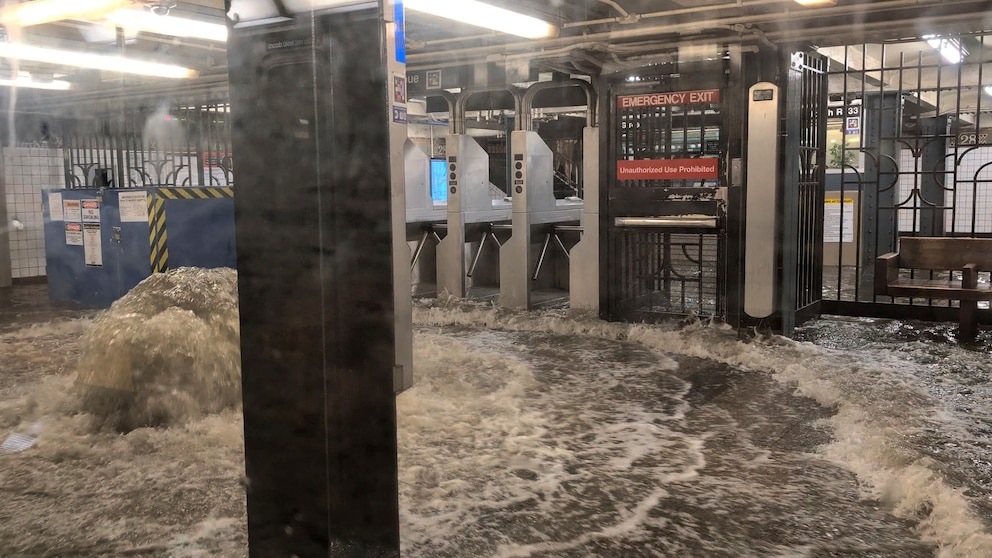
New York City’s Central Park experienced its second-highest hourly rainfall total since 1943, recording 2.07 inches in a single hour, a rate considered a 1-in-20-year flood. Subway lines flooded, with reports of water cascading onto platforms and into train cars, and in one instance, a sewer overflowed into the subway system.
Neighboring northern and central New Jersey saw between one and five inches of rain, with Plainfield, New Jersey and White Plains, New York experiencing the highest totals. Tragically, two people were killed in Plainfield when their car was swept into the overflowing Cedar Brook river, officials confirmed. Metro-North and New Jersey Transit commuter train lines faced significant service disruptions due to downed trees and flooding, and numerous roadways across the region were closed due to high water.
The intensity of the rainfall is raising concerns among climate scientists. The U.S. government’s Fifth National Climate Assessment, published in November 2023, found the Northeast has experienced the largest regional increase of extreme precipitation in the U.S., a staggering 60% increase in recent decades. While attributing specific weather events solely to climate change is complex, experts emphasize that global warming is exacerbating naturally occurring events, making them more intense and frequent.
The report further states that human-amplified climate change is contributing to increases in the frequency and intensity of the heaviest precipitation events across nearly 70% of the U.S. The resulting flash floods overwhelm existing infrastructure, highlighting the urgent need for updated systems and mitigation strategies to cope with the escalating effects of climate change.
The incident serves as a stark reminder of the vulnerability of urban centers to extreme weather events and the growing urgency to address climate change at both local and global levels.
 First Piper