
Wed Jul 16 02:12:00 UTC 2025: **Summary:**
A joint report by WHO and UNICEF reveals South Asia has achieved record-high immunization coverage in 2024, with India and Nepal showing significant reductions in “zero-dose” children. India decreased its number of zero-dose children by 43%, and Nepal by 52%. Pakistan also saw improvements. While the region made significant strides in measles and HPV vaccinations, significant challenges remain with Afghanistan’s low coverage, and 2.9 million children still unprotected. WHO and UNICEF urge continued investment and effort to reach every child.
**News Article:**
**South Asia Achieves Record Immunization Rates, India Leads the Way in Reducing Unvaccinated Children**
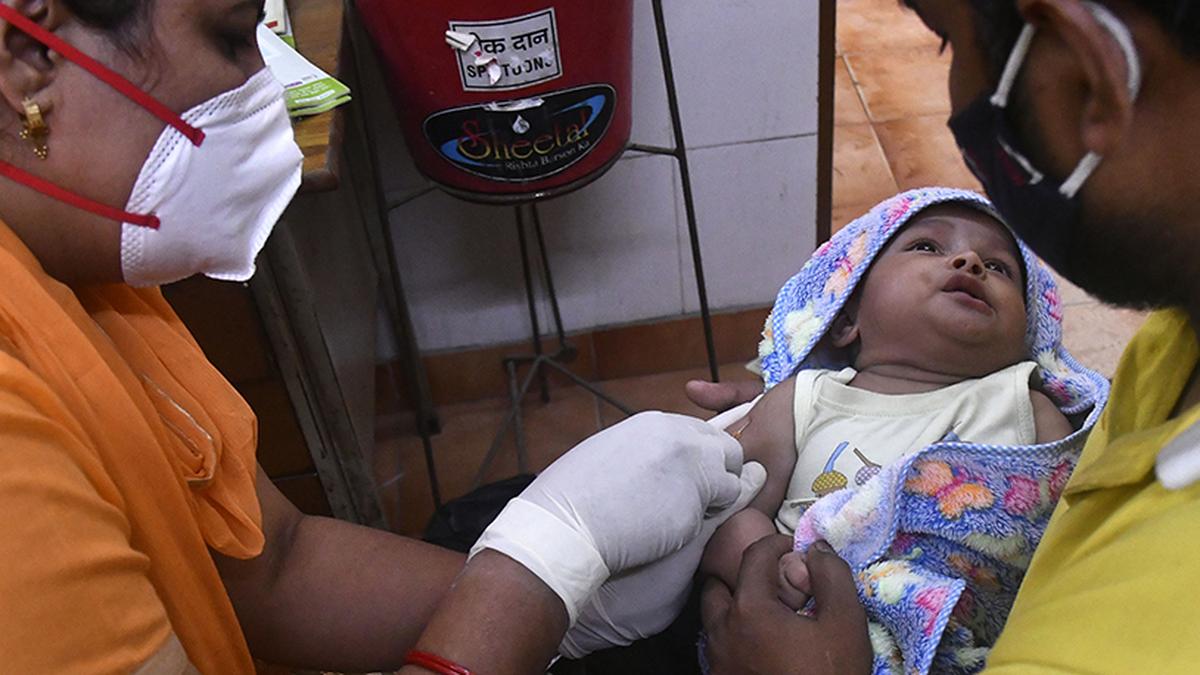
**New Delhi, July 16, 2025:** South Asia has reached its highest-ever immunization coverage, according to a joint report released today by the World Health Organization (WHO) and UNICEF. The region has witnessed notable progress in protecting children from vaccine-preventable diseases, with India and Nepal leading the charge.
India has significantly reduced its number of “zero-dose” children, those who haven’t received a single vaccine, by 43% between 2023 and 2024. Nepal also recorded a substantial 52% reduction. Pakistan achieved a record DTP3 coverage of 87%.
The report highlights advancements in measles control, with a 39% decrease in cases and increased vaccination rates. HPV vaccination coverage has also seen a rise, driven by programs in Bangladesh, Bhutan, Maldives, and Sri Lanka. India is expected to roll out its HPV vaccination program later this year.
“This is a proud moment for South Asia,” said Sanjay Wijesekera, UNICEF Regional Director for South Asia. “More children are protected today than ever before, thanks to tireless frontline health workers, strong government leadership, and the unwavering trust of families.”
Despite the significant progress, the report underscores that over 2.9 million children in the region remain un- or under-vaccinated, including Afghanistan. WHO and UNICEF are urging governments to sustain their commitment, increase funding for immunization, expand HPV vaccine coverage, and prioritize reaching zero-dose children. Increased investment in frontline health workers and stronger disease surveillance systems are also critical.
 First Piper