
Tue Jul 15 20:33:00 UTC 2025: **Summary:**
A newly introduced Class 8 social science textbook by the National Council of Educational Research and Training (NCERT) portrays Mughal rulers, including Babur, Akbar, and Aurangzeb, as complex figures who were both intellectuals and rulers known for acts of violence and plunder. The textbook uses excerpts from primary sources, such as the Baburnama, to showcase their cultural and intellectual interests, while also detailing instances of brutality, religious persecution, and destruction of temples and schools. The revised curriculum aims to provide a more nuanced and comprehensive understanding of Indian history, acknowledging both its bright and dark periods. The textbook also includes sections on heroic resistance to the Mughals by various communities and rulers across India. NCERT officials state that the aim is to present a less sanitized version of history and emphasize the complexities of the Mughal era.
**News Article:**
**New NCERT Textbook Acknowledges “Brutality and Tolerance” of Mughal Rulers**
**New Delhi, July 16, 2025:** A new Class 8 social science textbook introduced by the National Council of Educational Research and Training (NCERT) is sparking discussion by presenting a more nuanced and comprehensive portrayal of Mughal rulers like Babur, Akbar, and Aurangzeb. While previous textbooks touched upon the Mughal era, the revised curriculum delves deeper into both the intellectual contributions and the darker aspects of their reigns.
The textbook acknowledges Babur’s appreciation for art, architecture, and nature, while also detailing his ruthless conquests and the establishment of “towers of skulls” in plundered cities. Similarly, Akbar is described as a ruler who blended “brutality and tolerance,” referencing the massacre of 30,000 civilians during the seizure of the Chittor fort, while also acknowledging his later pursuit of peace. The textbook also includes a translated quote from Akbar saying “We have succeeded in occupying a number of forts and towns belonging to infidels and have established Islam there. With the help of our bloodthirsty sword, we have erased signs of infidelity from their minds and have destroyed temples in those places and also all over Hindustan.”
Aurangzeb’s reign is presented with similar complexity, highlighting his edicts to demolish temples and schools, including those in Banaras, Mathura, and Somnath.
Michel Danino, Head of NCERT’s Curricular Area Group for Social Science, stated, “Indian history cannot be sanitized… We have given note on the darker chapters of history, and also given a disclaimer that no one today should be regarded as responsible for whatever happened in the past.” Danino clarified that the goal is not to demonize the Mughal rulers, but to present a more complete and accurate picture of their era, acknowledging both their achievements and their cruel actions.
In addition to portraying the complexities of the Mughals, the textbook also includes sections on the heroic resistance mounted by various communities and rulers across India, including Jat peasants, tribal communities, and rulers like Rani Durgavati and Maharana Pratap.
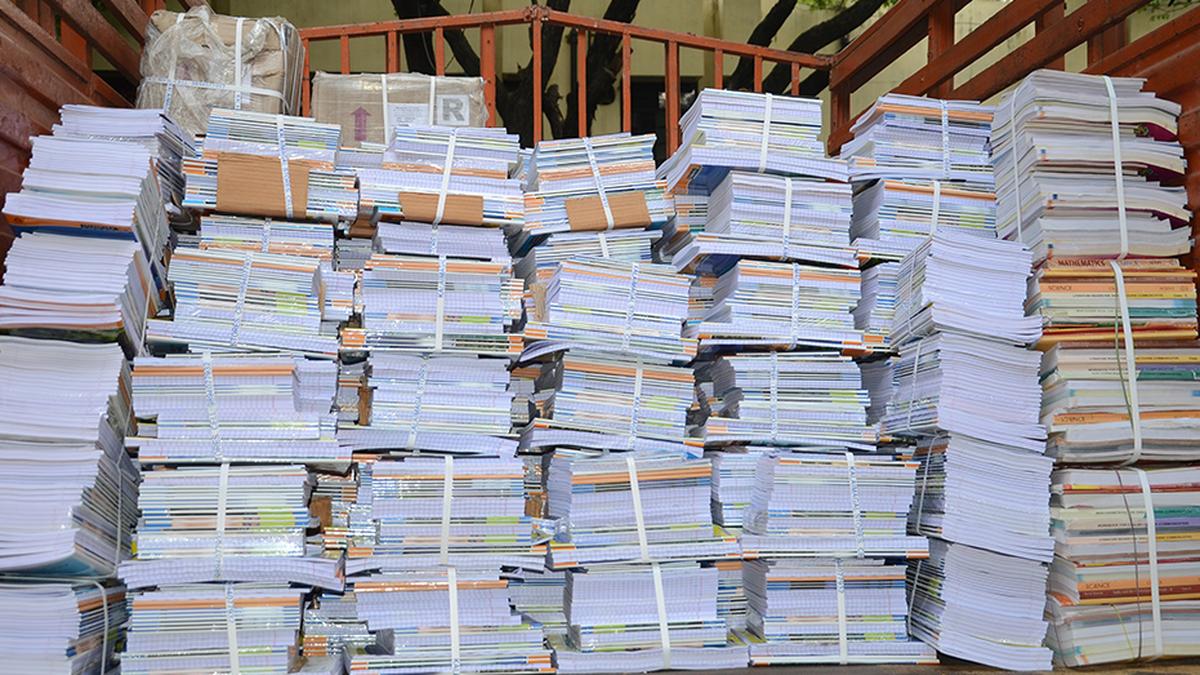
The first part of the new Class 8 textbook, titled “Exploring Society: India and Beyond,” is now available in bookstores, with the second part to be released in October. The revised curriculum represents a significant shift towards a more nuanced and complete understanding of Indian history, acknowledging both its triumphs and its tragedies.
 First Piper