
Tue Jul 08 20:18:04 UTC 2025: **Summary:**
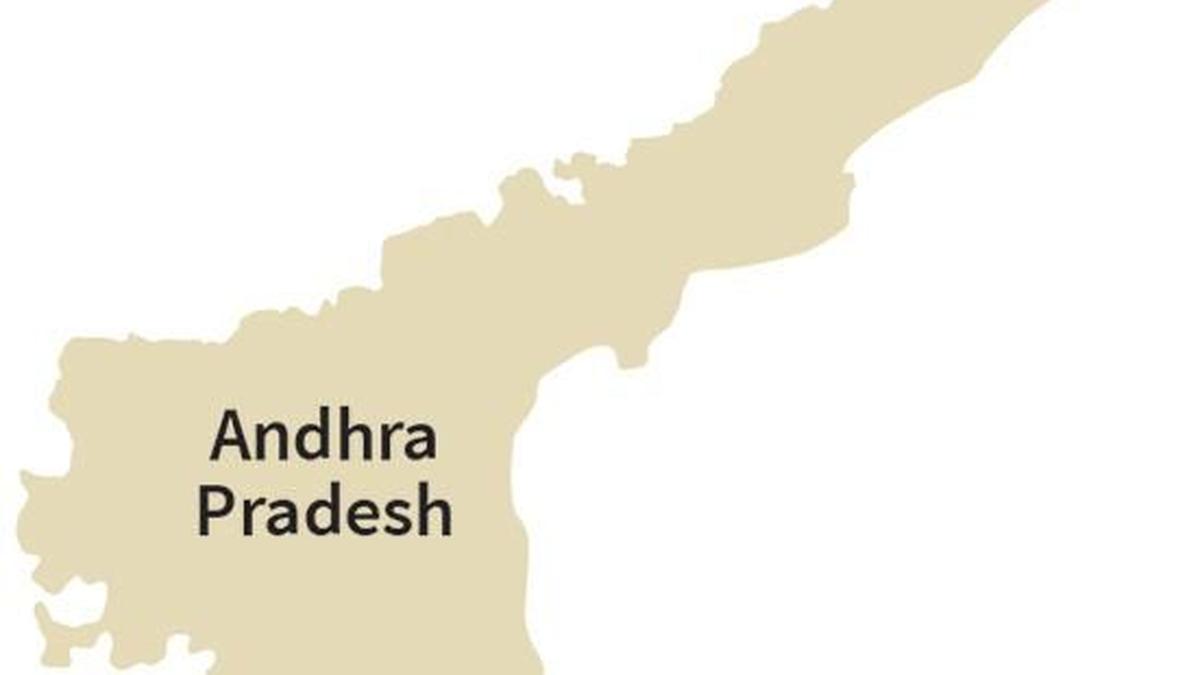
The Andhra Pradesh government’s ambitious Polavaram Banakacherla Link Project, aimed at transferring water from the Godavari river to the drought-prone Rayalaseema region, faces significant hurdles. Telangana objects that the project violates the A.P. Reorganisation Act of 2014. An expert committee recently denied environmental clearance, citing the need for examination by the Godavari Water Disputes Tribunal and consultation with the Central Water Commission (CWC). The project’s massive power requirements, environmental impact on the Nallamala forest, and legal challenges raise concerns about its viability. Critics argue that gravity-fed alternatives on the Krishna river could be more cost-effective and environmentally sound. The project’s complex funding model and reliance on contractors for clearances add to the uncertainty. Doubts persist regarding the availability of surplus Godavari water and potential conflicts with Telangana, mirroring issues faced by Telangana’s Kaleshwaram project. There is speculation that the project could become entangled in political negotiations, jeopardizing Rayalaseema’s long-term water security.
**News Article:**
**Godavari-Rayalaseema Water Project Stalls Amid Legal and Environmental Concerns**
Hyderabad/Amaravati – July 9, 2025 – The Andhra Pradesh government’s ambitious ₹81,900 crore Polavaram Banakacherla Link Project is facing significant setbacks, casting doubt on its future and raising questions about its economic and environmental sustainability. The project aims to alleviate water scarcity in the Rayalaseema region by diverting surplus water from the Godavari river.
However, the project has run into opposition from Telangana, which argues that it violates the Andhra Pradesh State Reorganisation Act, 2014. Last week, an expert appraisal committee denied environmental clearance, demanding examination by the Godavari Water Disputes Tribunal and consultation with the Central Water Commission (CWC).
Critics highlight the project’s exorbitant power consumption of 3,377 MW, the environmental impact of a 19.5 km tunnel through the Nallamala forest and tiger reserve, and unresolved legal challenges. Experts suggest that gravity-fed alternatives utilizing the Krishna river could be more viable.
The project’s funding model, relying on a mix of Central grants, State equity, loans, and private investment, also raises concerns, particularly with contractors unusually tasked with securing critical clearances. Doubts persist regarding the actual availability of surplus Godavari water for the project.
Telangana’s past experiences with the Kaleshwaram project, where the CWC rejected an add-on component, serve as a cautionary tale. This project could potentially encounter resistance.
Amid speculation that the project might become a bargaining chip in political negotiations, concerns are rising that Rayalaseema’s long-term water security may be jeopardized.
 First Piper