
Mon Jul 07 22:49:54 UTC 2025: **Summary:**
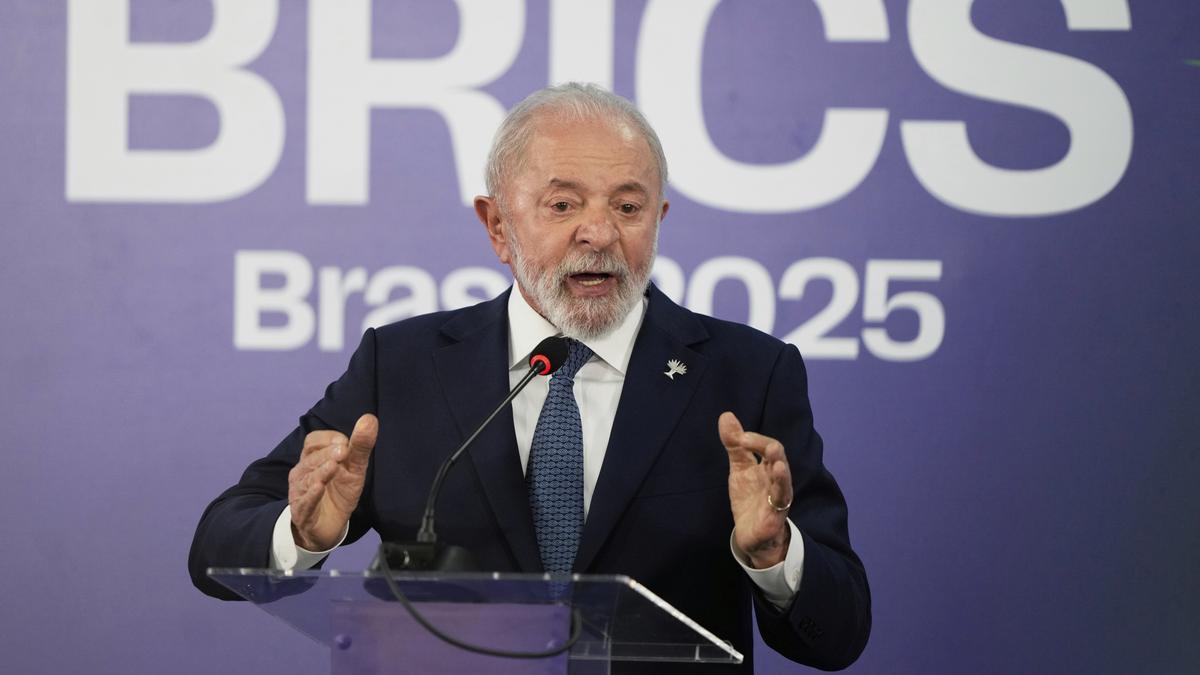
The BRICS summit in Rio de Janeiro saw developing nations pushing back against U.S. President Donald Trump’s accusations of being anti-American and threats of additional tariffs. Brazilian President Lula da Silva asserted that the world does not need an “emperor,” while other BRICS members subtly defended their cooperation as not targeting any specific country. The summit also addressed the need to find alternatives to the U.S. dollar for global trade. While some members like South Africa expressed confidence in reaching a trade deal with the U.S., others like Indonesia and Malaysia, highly dependent on U.S. trade, will continue to negotiate and maintain independent economic policies. India has not yet released an official statement about this developing situation.
**News Article:**
**BRICS Nations Defiant Against Trump’s Tariff Threats, Seek Alternatives to U.S. Dollar**
**Rio de Janeiro -** The BRICS nations gathered in Rio de Janeiro for their annual summit this week issued a united, if varied, response to U.S. President Donald Trump’s recent threats of additional tariffs and accusations of anti-American sentiment. Brazilian President Luiz Inacio Lula da Silva led the charge, declaring that “the world does not need an emperor” and emphasizing the bloc’s desire to find alternative models for global economic organization.
Trump’s threats, made as the U.S. government moves toward finalizing numerous trade deals ahead of a July 9th deadline for retaliatory tariffs, prompted strong reactions from the BRICS member states. While the U.S. administration reportedly doesn’t intend to immediately impose a 10% tariff, it could happen if countries adopt policies deemed “anti-American.”
Lula reiterated the need for alternatives to the U.S. dollar in global trade, suggesting the central banks of BRICS nations and other countries must cautiously discuss these issues.
Other BRICS members adopted a more nuanced approach. South African President Cyril Ramaphosa expressed confidence in reaching a trade deal with the U.S. and stated the group is not looking to compete with any other power. A Chinese foreign ministry spokesperson emphasized the bloc’s focus on “win-win cooperation” rather than targeting specific countries. The Kremlin echoed a similar sentiment, asserting that Russia’s cooperation with BRICS is based on a shared global vision and is not directed against third countries.
India has yet to issue an official response.
The summit highlights the growing tensions between the U.S. and the BRICS nations, which represent a significant portion of the global economy. Many members, along with several of the group’s partner nations, are heavily reliant on trade with the United States. Indonesia is reportedly sending its senior economic minister to the U.S. to oversee tariff talks. Malaysia, a partner country, has suspended tariffs. As such, the long-term implications of Trump’s threats and the BRICS’ response remain to be seen.
 First Piper