
Sat Jul 05 06:20:18 UTC 2025: **News Article:**
**Indian Scientists Uncover Genetic Link Between Diet and Brain Size in Primates**
**Hyderabad, India – July 5, 2025** – A groundbreaking international study led in part by researchers at the CSIR-Centre for Cellular and Molecular Biology (CCMB) in Hyderabad has revealed a key genetic connection between diet quality and brain size in primates. The research, published in the prestigious journal *Philosophical Transactions of the Royal Society B*, offers new insights into the evolution of larger, more complex brains, particularly in humans.
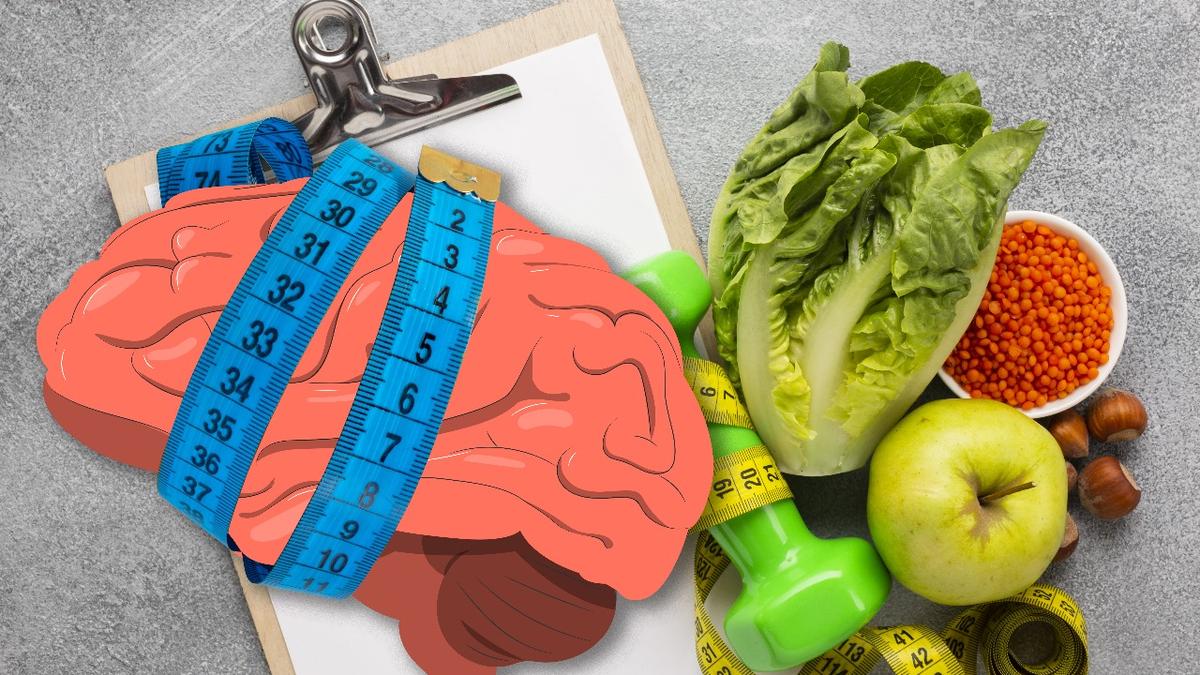
The team, which included CCMB’s Dr. Govindhaswamy Umapathy and Vinay Teja Potharlanka, analyzed over 8,000 genes from 50 primate genomes, comparing brain size and diet quality across species. Their findings demonstrate that primates with higher-quality diets, rich in fruits, seeds, and animal protein, exhibit genetic adaptations that support the development of larger brains.
The study identified hundreds of genes linked to brain development and energy metabolism that evolved more rapidly in species with better diets. Notably, genes involved in processing fats and sugars, like ‘ELOVL6’ and ‘EEF1A2,’ were found to play a crucial role.
“This supports the idea that better diets provided the fuel for building bigger brains. Energy metabolism genes and brain development genes are working hand-in-hand. This link is deeply embedded in the genome,” explained Dr. Umapathy.
The research suggests a feedback loop: better diets contribute to larger brains, which, in turn, allow primates to find even better food sources. Intriguingly, the scientists discovered that some genes that facilitated brain expansion may also increase the risk for certain neurodevelopmental conditions, indicating a potential evolutionary trade-off.
While the study did not directly examine humans, the findings provide valuable clues about our evolutionary past. The researchers hope future investigations will explore how other factors, such as social structures and lifestyle, further influenced brain evolution in primates. The full dataset and analysis code from the study are publicly available, encouraging further research into the complex interplay of ecology, genetics, and cognition.
 First Piper