
Sat Jul 05 10:01:33 UTC 2025: **FOR IMMEDIATE RELEASE**
**New Fungal Disease Threatens Critically Endangered Western Ghats Tree**
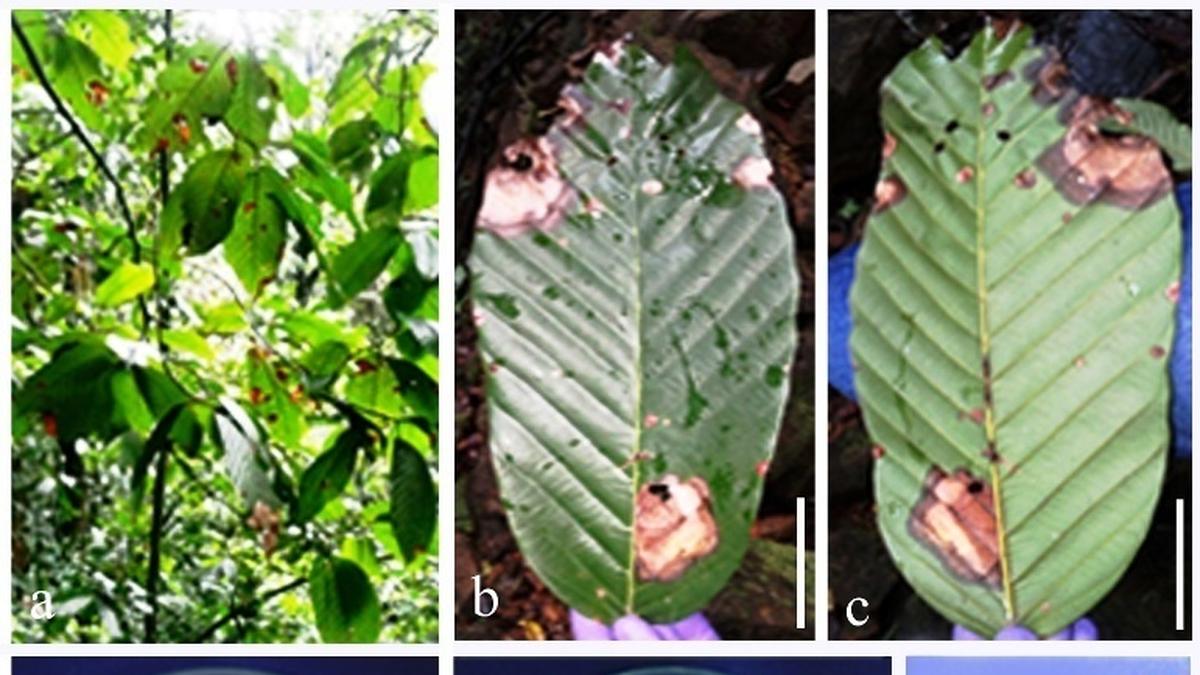
**Thrissur, India – July 5, 2025** – Scientists at the Kerala Forest Research Institute (KFRI) and Banaras Hindu University have raised concerns over a newly detected fungal disease impacting *Dipterocarpus bourdillonii*, a critically endangered tree species endemic to the Western Ghats of India. The disease is caused by the highly aggressive phytopathogen *Corynespora cassiicola*, a fungus known to infect over 530 plant species globally.
The findings, published in the June 17th edition of the journal *Mycosphere*, mark the first recorded instance of this pathogen affecting *D. bourdillonii*. The discovery underscores the urgent need for increased disease surveillance and integrated conservation strategies to protect this vital component of the Western Ghats rainforest ecosystem.
“This species already faces severe threats due to overexploitation and habitat loss,” explained Shambhu Kumar, Principal Scientist and Head of the Forest Pathology Department at KFRI. “The emergence of this additional biotic threat further underscores the urgent need for conservation measures to protect and restore its dwindling population.”
*Dipterocarpus bourdillonii* plays a crucial ecological role in maintaining rainforest canopy structure and supporting biodiversity. Its hardwood is also valued for construction and furniture, and its oleoresin has traditional medicinal and industrial uses.
Scientists used morpho-molecular tools to identify *Corynespora cassiicola* infecting *Dipterocarpus bourdillonii* in Kerala. Molecular identification ensures accurate pathogen detection, overcoming the limitations of morphology-based methods, and facilitates early diagnosis and monitoring.
*Corynespora cassiicola* is a widespread fungus that causes leaf spots and blight diseases in various plants, including economically important crops. It thrives in warm, humid climates and spreads through spores via wind, water, and human activity. The pathogen can impair photosynthesis, leading to defoliation and even plant death.
Researchers emphasize that early detection and integrated disease management, including the use of resistant cultivars, cultural practices, and fungicides, are crucial to minimizing the impact of the disease and preventing outbreaks. This study is crucial for understanding the disease’s epidemiology, guiding effective disease management strategies, and safeguarding this threatened species. Additionally, it contributes to forest health surveillance and supports both ex-situ and in-situ conservation efforts.
The research team is calling for immediate action to implement comprehensive conservation efforts to protect *Dipterocarpus bourdillonii* and its critical habitat in the Western Ghats.
**Contact:**
Shambhu Kumar
Principal Scientist and Head
Forest Pathology Department
Kerala Forest Research Institute, Peechi
[Contact Information]
 First Piper