
Thu Jul 03 06:16:36 UTC 2025: **Summary:**
An Australian man in his 50s from New South Wales has died from the rare Australian bat lyssavirus after being bitten by a bat several months ago. The virus, similar to rabies, is transmitted through bat saliva and has a high fatality rate, with only three previous cases since its identification in 1996, all of which were fatal. Health officials are urging the public to avoid contact with bats and to seek immediate medical attention, including thorough wound washing, antiseptic application, rabies immunoglobulin, and a rabies vaccine if bitten or scratched. Investigations are underway to determine if any other factors contributed to the man’s illness.
**News Article:**
**Rare Bat Virus Claims Life in Australia, Sparking Public Health Warning**
**Sydney, July 3, 2025** – A man in his 50s from northern New South Wales has tragically died from Australian bat lyssavirus (ABLV), a rare and deadly rabies-like infection transmitted through a bat bite. This marks the fourth known human fatality from the virus since its discovery in 1996, with all previous cases resulting in death.
New South Wales Health officials confirmed the death on Thursday, expressing their condolences to the victim’s family. While treatments were administered after the initial bite, they proved ineffective against the aggressive virus. Officials are now investigating to determine if any other factors contributed to the man’s severe illness.
ABLV, a close relative of rabies, is transmitted when bat saliva enters the body through a bite or scratch. Initial symptoms can be flu-like, but the condition rapidly deteriorates, leading to paralysis, delirium, convulsions, and ultimately, death.
Health authorities are urging the public to exercise extreme caution around bats. “People should avoid touching or handling bats, as any bat in Australia could carry lyssavirus,” NSW Health warned in a statement. Only trained and vaccinated wildlife handlers should interact with the animals.
If bitten or scratched by a bat, immediate and thorough action is crucial. NSW Health advises washing the wound with soap and water for 15 minutes, applying an antiseptic, and seeking immediate medical attention for rabies immunoglobulin and a rabies vaccine.
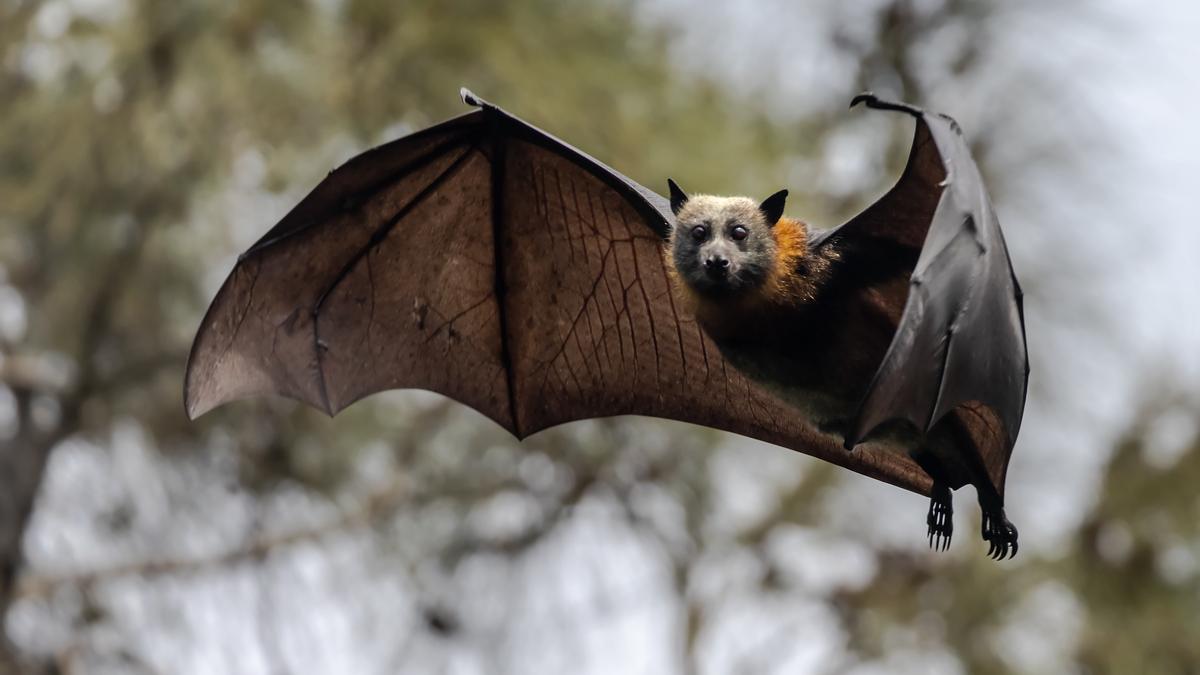
The virus has been found in flying foxes and insect-eating microbats. The specific type of bat involved in this recent fatality has not yet been identified.
The discovery of ABLV in 1996 highlighted the risk of zoonotic diseases and the importance of public awareness and safety measures when interacting with wildlife. Health officials emphasize that prevention is key, and encourage all Australians to maintain a safe distance from bats and seek immediate medical care in the event of an encounter.
 First Piper