
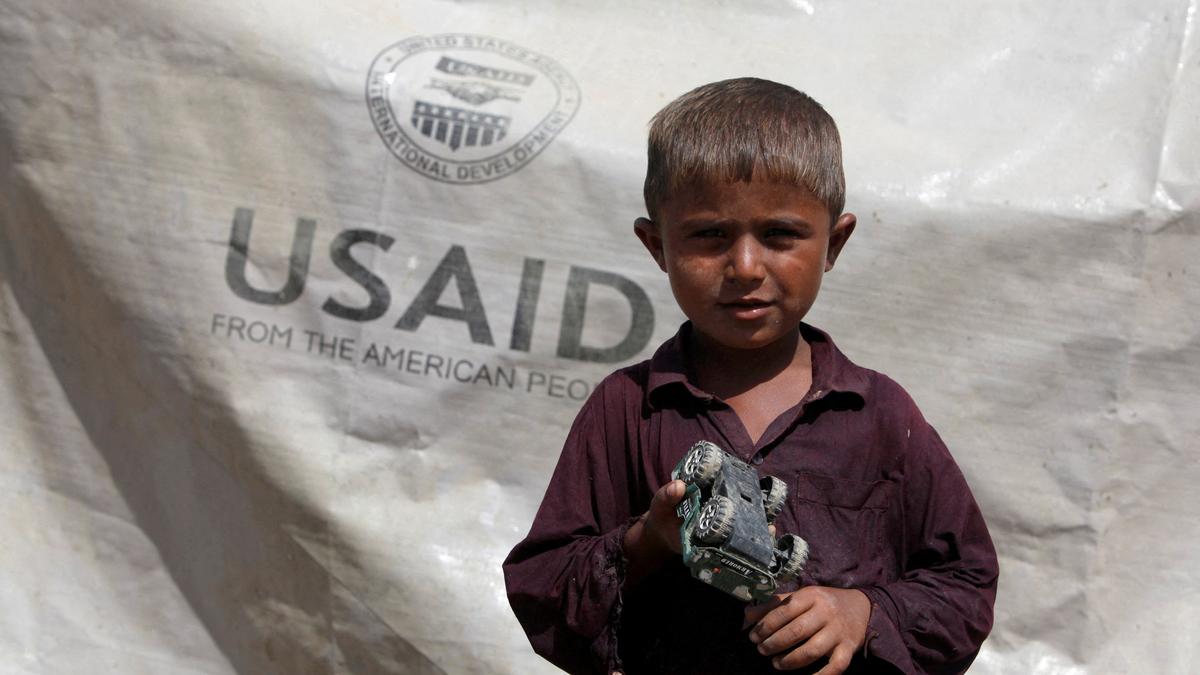
Tue Jul 01 03:50:42 UTC 2025: **Summary:**
A study published in The Lancet projects that dismantling of U.S. foreign aid by the Trump administration could lead to over 14 million avoidable deaths by 2030, a third of whom will be small children. The cuts, including an 83% reduction in USAID funding, could reverse decades of progress in health in low- and middle-income countries, leading to a crisis comparable to a pandemic or major conflict. Researchers highlighted the effectiveness of USAID in preventing deaths from disease, particularly HIV/AIDS, malaria, and tropical diseases. Other major donors have followed suit with aid cuts of their own further exaccerbating the problem. The study coincides with a U.N. aid conference in Spain, which the U.S. is not attending, and underscores the urgent need to increase, not decrease, aid funding.
**News Article:**
**Millions at Risk as U.S. Aid Cuts Spark Global Health Crisis**
**Seville, Spain – July 1, 2025** – Millions of vulnerable people, especially children, face increased risk of death due to drastic cuts in U.S. foreign aid, according to a new study published in The Lancet. Researchers estimate that over 14 million avoidable deaths could occur by 2030 as a result of the Trump administration’s decision to dismantle the U.S. Agency for International Development (USAID).
The study reveals that cutting USAID funding by 83% could reverse decades of progress in global health, particularly in low- and middle-income countries. A third of deaths are projected to be children under five years old. Researchers have linked USAID funding to a 15% decrease in deaths from all causes, with a particularly significant 32% drop in child deaths.
“For many countries, the impact of these cuts is akin to experiencing a global pandemic or a major armed conflict,” warned Dr. Davide Rasella, a study co-author from the Barcelona Institute for Global Health (ISGlobal).
The research highlights USAID’s effectiveness in preventing deaths from diseases like HIV/AIDS, malaria, and neglected tropical diseases. Following the U.S. lead, other major donors including Germany, the U.K., and France have also announced cuts to their foreign aid budgets, compounding the problem.
These findings come as world leaders and business leaders gather for a U.N. conference in Seville, Spain to address the struggling aid sector. The United States, however, is not attending the conference.
“Now is the time to scale up, not scale back,” urged Dr. Rasella. The study’s authors estimate that U.S. citizens contribute only about 17 cents per day to USAID, yet that small amount has saved millions of lives.
 First Piper