
Mon Jun 30 07:55:47 UTC 2025: ## Bhopal Gas Tragedy Waste Finally Incinerated, Ending Dark Chapter
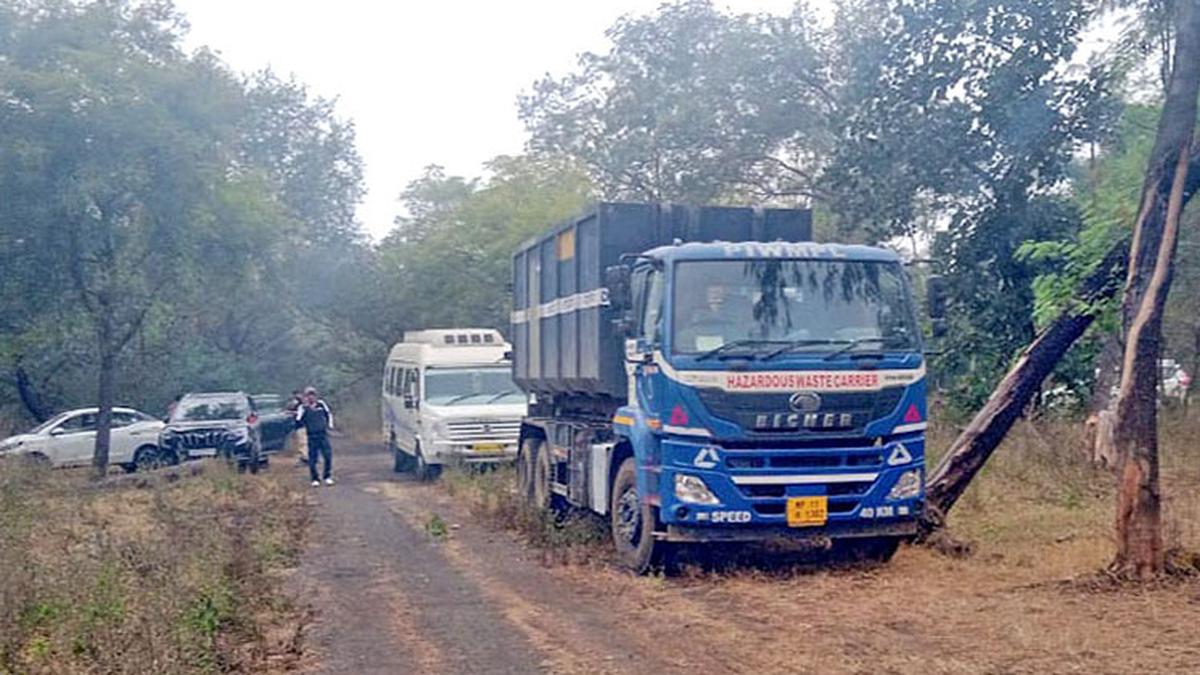
**Indore, June 30, 2025:** All 337 tonnes of toxic waste from the now-defunct Union Carbide factory in Bhopal have been incinerated at a disposal plant in Pithampur, Madhya Pradesh, officials announced Monday. The incineration, completed overnight on June 29-30, marks a significant step in addressing the lingering legacy of the 1984 Bhopal gas tragedy.
The waste disposal at the Pithampur industrial area plant was undertaken following directives from the Madhya Pradesh High Court. The process began on May 5th and concluded after nearly two months of continuous operation. Authorities confirmed that the incineration process adhered to strict environmental standards, with emissions monitored in real-time by both the Central and State Pollution Control Boards.
“All emissions were found to be within the standard limits,” said State Pollution Control Board regional officer Srinivas Dwivedi, allaying fears of adverse health impacts on surrounding communities.
The Union Carbide factory was the site of a catastrophic gas leak in December 1984, releasing highly poisonous methyl isocyanate that killed over 5,479 people and maimed thousands more. The remaining waste at the site has been a source of ongoing concern and legal battles for decades.
The incinerated waste consisted of soil, reactor residue, Sevin (pesticide) residue, naphthal residue and semi-processed residue from the factory. Authorities have stated that the waste did not contain methyl isocyanate gas or radioactive particles.
The ash and residue remaining after incineration are currently being safely packed and stored in a leak-proof shed at the plant. Specialized landfill cells are being constructed to permanently bury the residue, a process expected to be completed by December 2025. Before burial, the residue will be scientifically treated to prevent any environmental harm.
The removal and incineration of the Union Carbide waste represents a crucial milestone in addressing the environmental and health concerns stemming from the Bhopal gas tragedy, providing a sense of closure to a community that has suffered for decades.
 First Piper