
Wed Jun 25 07:11:22 UTC 2025: ## Bangladesh in Turmoil as Elections Loom: Former Election Chiefs Arrested Amidst Political Violence
**Dhaka, Bangladesh – June 25, 2025** – Bangladesh is gripped by political instability and violence as the nation prepares for its 13th parliamentary elections, tentatively scheduled for February 2026. The interim government, led by Chief Adviser Professor Muhammad Yunus, and the newly formed Election Commission (EC) are pushing forward with preparations despite widespread unrest and concerns over inclusivity and legitimacy.
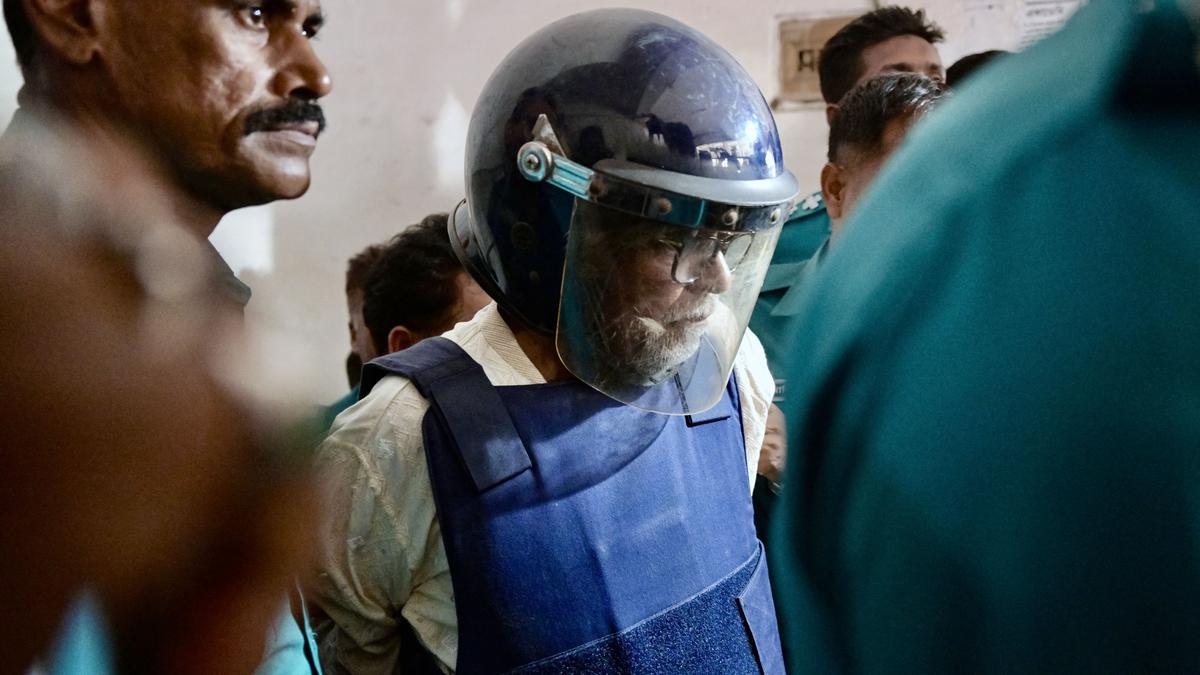
The situation escalated dramatically this week with the arrests of two former Chief Election Commissioners (CECs). K.M. Nurul Huda was arrested following a violent attack on his home by members of the Jatiotabadi Swechhasebak Dal, the volunteer wing of the Bangladesh Nationalist Party (BNP). He is accused of manipulating the 2014, 2018, and 2024 parliamentary elections. Shortly after, Kazi Habibul Awal, another former CEC, was also taken into custody.
These arrests come amidst a backdrop of escalating mob violence, with human rights organization Ain o Salish Kendra (ASK) reporting at least 83 deaths from such incidents between January and June 2025. The Bangladesh Army remains deployed to maintain order, but stability remains elusive.
The political landscape is further complicated by internal conflict within the BNP and ongoing arrests and attacks targeting leaders and supporters of the Awami League, the party of ousted Prime Minister Sheikh Hasina. Since the fall of the Awami League government on August 5, 112 former MPs, including former ministers, have been arrested.
The EC, formed after the July uprising, is pressing ahead with election preparations. CEC AMM Nasir Uddin emphasized the Commission’s commitment to holding the vote on time, focusing on logistical preparations like finalising the draft of the Political Parties and Candidates Code of Conduct, 2025, nearing completion of constituency demarcation, updating the voter list and procurement of essential election materials.
Meanwhile, nomination hopefuls from the BNP have begun campaigning, while Jamaat-e-Islami has already published a list of potential candidates for nearly 300 constituencies. A new political party, the National Citizen Party (NCP), formed by student leaders who ousted Sheikh Hasina, has also applied for registration.
However, the suspension of Awami League’s registration by the EC presents a significant challenge to the election’s credibility. This action, following a ban on the party’s activities due to alleged crimes against humanity, effectively disqualifies the party from participating in the upcoming polls, prompting concerns from the party and international observers.
Shafiul Alam Chowdhury Nadel, Organizing Secretary of Bangladesh Awami League, told The Hindu, that elections without the participation of Awami League cannot be participatory. Awami League will resist such illegal elections, he added. The UN High Commissioner for Human Rights, Volker Türk, has also expressed concern, urging for reforms to ensure an inclusive electoral environment.
Chief Adviser Yunus, however, maintains that the suspension of Awami League’s activities is temporary and that “inclusive” elections mean participation of all people, not any specific party.
Political scientist Md. Nazmul Islam argues that holding timely elections is crucial for restoring peace, stating that an elected government would have the legitimacy to stabilize key institutions. He believes that the legitimacy of the election no longer hinges solely on Awami League’s involvement, given the party’s diminished public credibility.
As Bangladesh navigates this period of uncertainty, the international community is closely watching to see if the upcoming elections can truly reflect the will of the people after a decade marred by allegations of election rigging and boycotts.
 First Piper