
Sat Jun 21 23:52:00 UTC 2025: **Summary:**
Following the tragic Air India flight 171 crash in Ahmedabad on June 12, 2025, in which at least 270 people died, forensic experts have been working to identify victims using DNA analysis. DNA fingerprinting, which focuses on unique sequences called short tandem repeats (STRs), has been crucial in matching remains with DNA samples from family members. While challenges exist due to sample degradation and contamination, advanced techniques and trained professionals are ensuring accurate identification. As of June 21, 247 victims have been identified and 232 bodies have been released to their families. This process, while complex, is vital for providing closure to grieving families and is a standard procedure in mass fatality events, as seen in past disasters such as the 2004 Indian Ocean tsunami and the 9/11 terrorist attacks.
**News Article:**
**DNA Analysis Identifies Majority of Victims in Ahmedabad Plane Crash**
**Ahmedabad, June 22, 2025:** The painstaking process of identifying the victims of the Air India flight 171 crash, which claimed at least 270 lives on June 12th, is nearing completion, thanks to advanced DNA analysis. Forensic experts have identified 247 victims as of June 21st, with 232 bodies already released to their families for final rites.
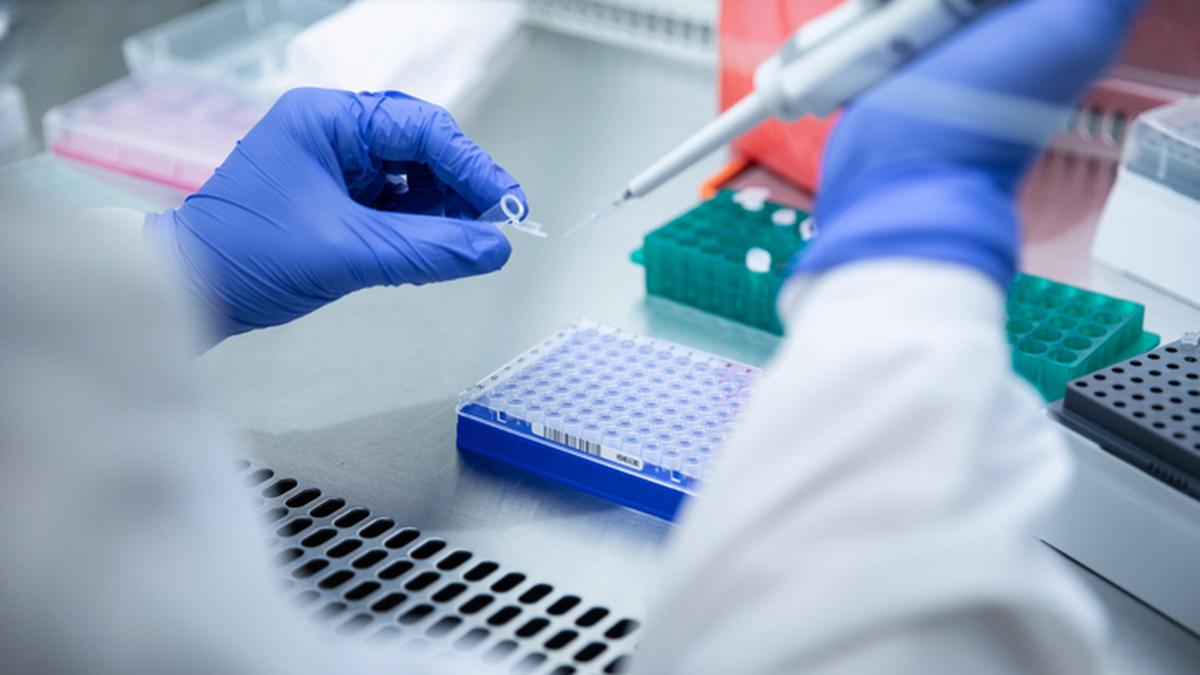
The identification process relies on DNA fingerprinting, a technique that analyzes unique genetic markers known as short tandem repeats (STRs). By comparing DNA samples collected from relatives of the deceased with samples extracted from the crash site, experts have been able to establish family patterns and confirm identities.
“Currently, STRs are the most widely used genetic markers for human identity determination,” explained Dr. Rakesh Mishra, director of the Tata Institute for Genetics and Society. “Their use makes it possible to clarify most legal and forensic cases with a generally very high degree of certainty.”
While the process is highly effective, challenges remain. Degraded and contaminated DNA samples can hinder analysis, requiring advanced techniques and expertise. Authorities are emphasizing the importance of standardized protocols and continuous training for forensic personnel to ensure accuracy and minimize errors.
The Air India crash is another example of how crucial DNA fingerprinting can be in mass fatality events. The technology has been used to identify victims of several past disasters, including the 2004 Indian Ocean tsunami and the 9/11 terrorist attacks.
The ongoing identification efforts are providing much-needed closure to the families of the victims as they navigate this difficult time. The last rites of some of the confirmed victims have already taken place.
 First Piper