
Thu Jun 19 13:35:29 UTC 2025: **Summary:**
Spain has rejected a NATO proposal to increase defense spending to 5% of GDP, deeming it “unreasonable.” Prime Minister Pedro Sánchez informed NATO Secretary-General Mark Rutte that Spain cannot commit to such a specific spending target at the upcoming NATO summit. While many NATO allies are expected to endorse the 5% target demanded by the US President, Spain, currently the lowest spender in the alliance (under 2% of GDP), is sticking to its commitment to reach the previous 2% target. This rejection could lead to heated debates at the summit as NATO aims to finalize the spending pledge amid concerns about Russia’s potential aggression.
**News Article:**
**Spain Rejects NATO’s Ambitious 5% Defense Spending Target**
**Madrid, June 19, 2025:** Spain has officially rejected a proposal from NATO to increase defense spending to 5% of its Gross Domestic Product (GDP), labeling the target as “unreasonable.” The move throws a wrench into NATO’s plans to solidify a new spending pledge at its upcoming summit in The Hague.
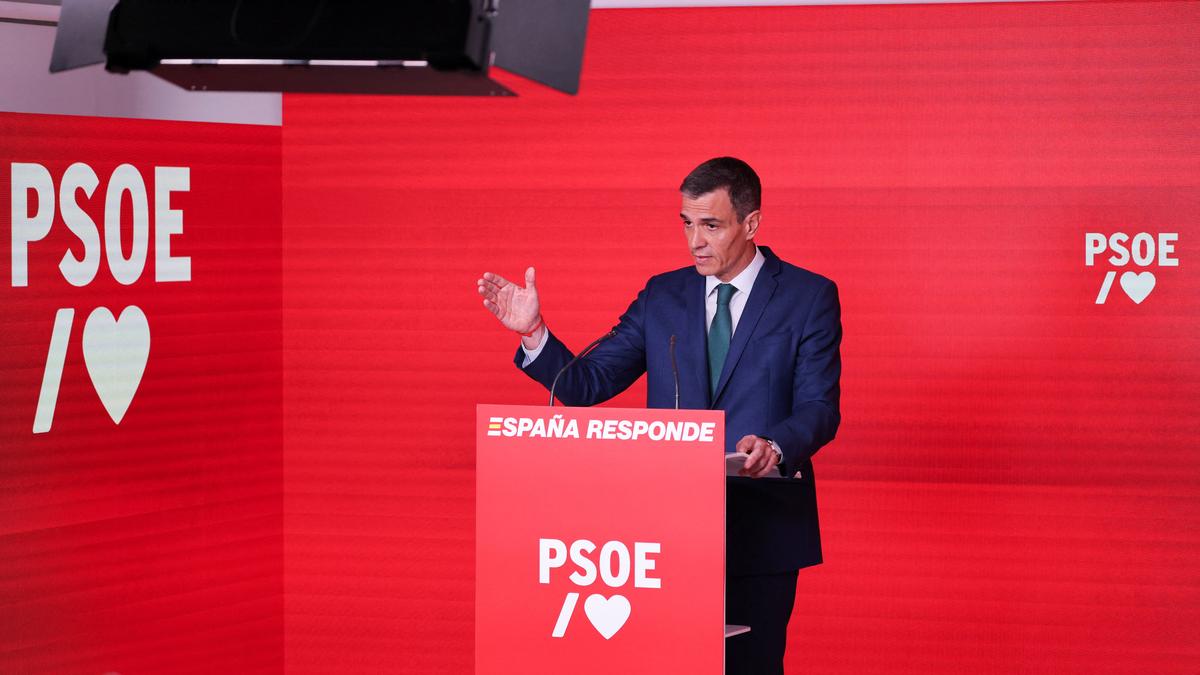
In a letter addressed to NATO Secretary-General Mark Rutte, Spanish Prime Minister Pedro Sánchez stated that Spain “cannot commit to a specific spending target in terms of GDP.” This stance puts Spain at odds with several NATO allies, including Sweden and the Netherlands, who are reportedly aiming to meet the 5% goal championed by the US President.
Spain currently spends less than 2% of its GDP on defense, making it the lowest spender within the 32-nation alliance. The country had previously committed to reaching the older NATO target of 2% of GDP.
The proposed increase comes amidst growing concerns over potential Russian aggression. While NATO allies agreed to spend at least 2% of their GDP on military budgets following the invasion of Ukraine, there is now pressure to increase this to 3.5% for core defense and an additional 1.5% for infrastructure improvements to facilitate rapid troop deployment.
The rejection by Spain could lead to contentious discussions at the upcoming summit as NATO seeks to finalize the spending pledge. While countries like Poland and the Baltic states have already committed to the 5% target, the overall timeline for achieving these goals remains uncertain. A target date of 2032 was initially considered, but recent warnings from Rutte about Russia’s potential readiness to attack NATO territory by 2030 have intensified the urgency.
 First Piper