
Wed Jun 18 00:00:00 UTC 2025: **Summary:**
A new study published in “Cell” provides evidence supporting a key aspect of Jean-Baptiste Lamarck’s long-dismissed theory of inheritance of acquired characteristics. Researchers at the Y.R. Gaitonde Centre for AIDS Research and Education exposed rice plants (Oryza sativa) to low temperatures. They observed that these plants developed tolerance to cold through epigenetic changes (specifically methylation) on a gene called ACT1. Remarkably, this cold tolerance was passed down for at least five generations. This finding suggests that environmental influence can, in some cases, affect heredity, a notion previously discredited by Darwin’s theory of natural selection and Mendelian genetics.
**News Article:**
**Lamarck’s Legacy Revived: Rice Study Shows Environment Can Alter Inheritance**
**Chennai, India – June 18, 2025** – A groundbreaking study published in “Cell” challenges conventional wisdom about heredity, lending credence to aspects of Jean-Baptiste Lamarck’s long-debated theory of inheritance. Researchers at the Y.R. Gaitonde Centre for AIDS Research and Education have demonstrated that rice plants can adapt to cold environments through epigenetic changes, and that these changes are heritable.
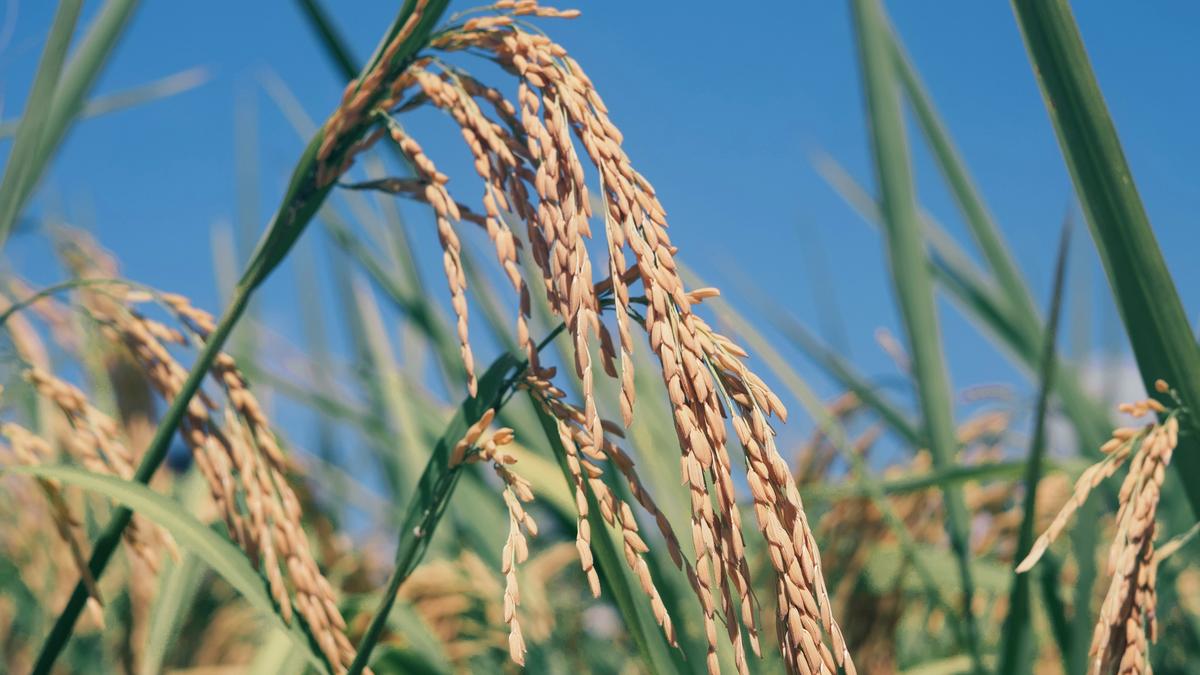
The researchers exposed rice plants (Oryza sativa) to low temperatures. Subsequent generations showed improved cold tolerance. Through genetic analysis, the team found that the plants had undergone epigenetic changes on a gene called ACT1, specifically methylation that switched off the normal expression of the gene. This change, triggered by the cold environment, was passed down to subsequent generations, indicating that the plants’ experience directly influenced their offspring’s characteristics.
“This study is a significant departure from traditional understanding of inheritance,” says Arun Panchapakesan, assistant professor and author of the study. “For over a century, Darwin’s theory and Mendelian genetics have been the cornerstone. But our findings show that the environment can play a direct role in shaping heredity, at least in some cases.”
While Darwin’s theory of natural selection remains the dominant explanation for evolution, this study opens a new avenue of research into epigenetic inheritance. The implications could be far-reaching, potentially impacting our understanding of adaptation, agriculture, and even human health. While the study was done in laboratory with rice plants, it raises the possibility that, in some cases, heridity is not determined by the code for life but rather by what that life has endured.
 First Piper
Wonderful post
LikeLike