
Mon May 26 02:02:57 UTC 2025: **Headline: Low-Cost Interventions Show Promise in Reducing Air Pollution from Bangladesh Brick Kilns**
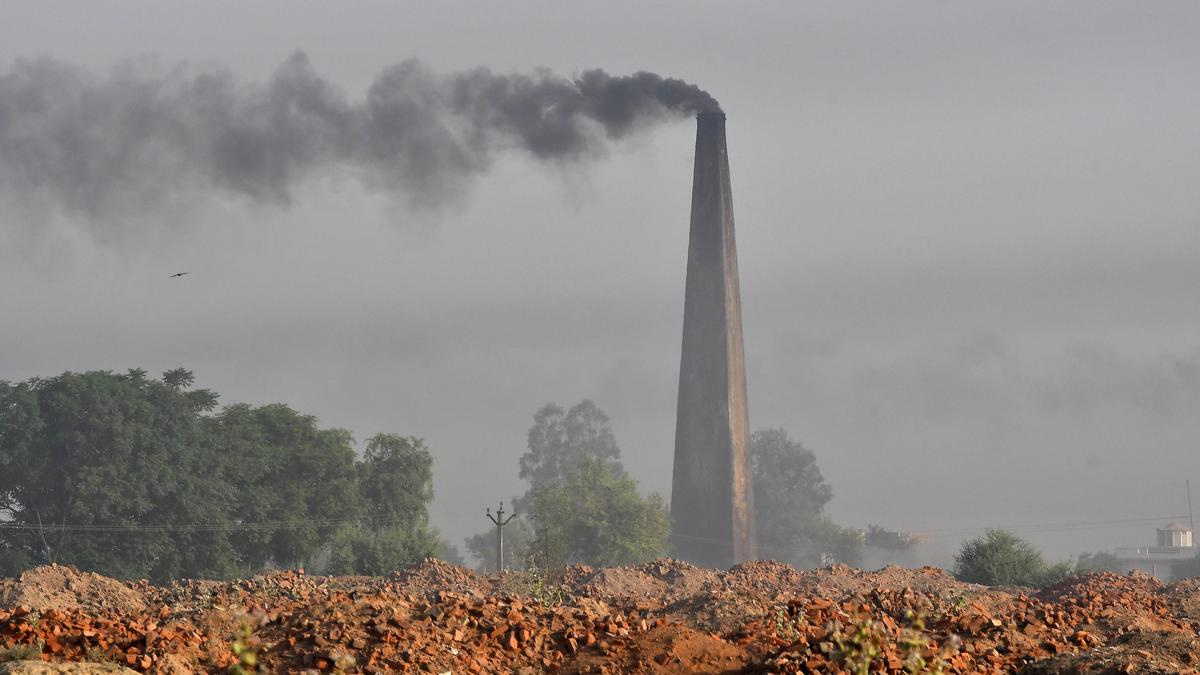
**New Delhi – May 26, 2025** – A new study published in *Science* reveals that simple, low-cost interventions in Bangladeshi brick kilns could significantly reduce air pollution and energy consumption. Bangladesh struggles with some of the worst air quality in the world, driven in large part by emissions from the country’s brick-making industry.
Researchers from the U.S., Bangladesh, and India conducted a randomized control trial involving 276 zigzag kilns, the predominant type in Bangladesh. They found that providing kiln operators with training and technical support on efficient coal feeding and brick-stacking practices resulted in a 23% reduction in energy use and a 20% decrease in both carbon dioxide and PM2.5 emissions. Surprisingly, offering additional incentives did not significantly increase the adoption rate of these practices.
The operational improvements included single fireman continuous fuel feeding, improved brick stacking, a thicker ash layer on kiln top, closing the kiln gate with a cavity wall, and complementary use of powdered biomass fuel.
These changes improved fuel combustion and prevented loss of heat in the kilns.
The study, which did not require additional capital investment, showed a benefit-to-cost ratio of 65:1, with carbon dioxide reductions costing only $2.85 per tonne. Researchers estimate that if implemented across all 6,352 zigzag kilns in Bangladesh, carbon dioxide emissions could be reduced by 2.4 million metric tonnes per brick-firing season, representing approximately 2% of the country’s annual emissions.
The researchers believe that these interventions can be scaled up not only across Bangladesh but also in other South Asian countries facing similar air pollution challenges. Given the increasing energy demand and the limitations of state intervention in informal sectors, regulating energy efficiency in brick production offers a promising pathway to mitigate air pollution in the region.
 First Piper