
Fri May 23 03:27:10 UTC 2025: **News Article:**
**Pope Leo XIV and Evangelical Leaders Urge Responsible AI Development, Citing Existential Risks**
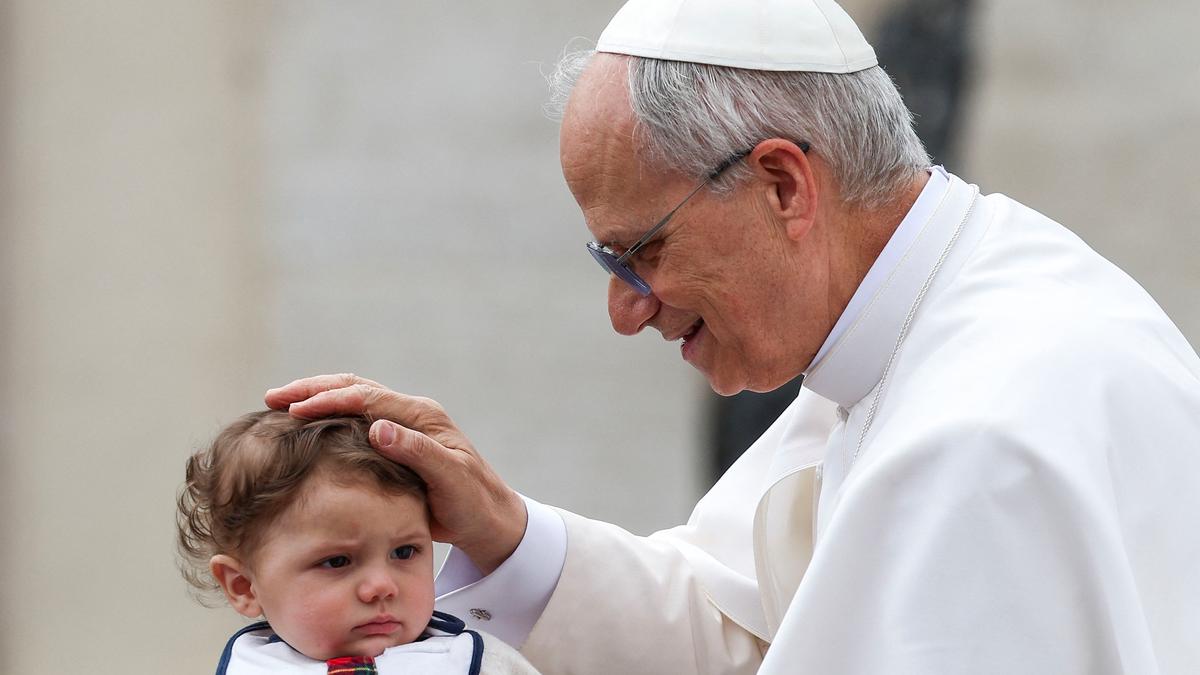
**Paris – May 23, 2025** – Pope Leo XIV has identified artificial intelligence as a critical challenge facing humanity, echoing concerns shared by religious leaders worldwide. In his first address since taking office this month, Leo XIV emphasized the need for ethical frameworks to govern AI development, drawing parallels to the social questions raised during the Industrial Revolution.
This week, American Evangelical leaders joined the conversation, publishing an open letter to President Trump calling for responsible AI innovation while cautioning against the potential dangers of uncontrolled “smarter-than-human machines.” The letter mirrors concerns expressed by some in Silicon Valley, often referred to as “AI doomers.”
Both Pope Leo XIV and the Evangelical leaders reference the late Pope Francis’s earlier warnings about the ethical implications of AI, including concerns about intellectual property, job security, privacy, and misinformation. Francis advocated for a new “algor-ethics” to ensure AI upholds human dignity and avoids perpetuating biases that could lead to discriminatory outcomes.
“This means avoiding some kind of system that simply cannot recognise the uniqueness of the human being and respect it,” said Paolo Benanti, a priest and advisor to the Vatican and Italian government, giving the example of an asylum application being denied based on correlation, not individual story.
Reverend Johnnie Moore, President of the U.S.-based Congress of Christian Leaders, argued that religious thought should play a central role in shaping the future of AI. He stated, “It’s very perilous when individuals assume for themselves godlike powers, to make decisions for the rest of us.”
The Evangelical leaders also quoted OpenAI chief Sam Altman’s stark 2015 warning that AI “will most likely lead to the end of the world.” They are calling for a reduction in the risk equation to human beings in this process.
 First Piper