
Wed May 21 10:18:18 UTC 2025: **Summary:**
A USAID-backed literacy program in Mali called “Shifin ni Tagne,” which aimed to teach 20,000 young Malians to read and write in their local languages, has been shut down due to a 90% cut in USAID funding by the Trump administration. This cut has left thousands of Malians, including those aspiring to learn vocational skills like pastry-making, stranded in a country plagued by poverty and insecurity. The project was particularly crucial as it provided a path to literacy and empowerment, especially given that 70% of the population is illiterate. The funding cut coincides with the withdrawal of European development partners following the 2021 coup and Mali’s subsequent shift towards Russia. While the government has made native tongues official languages, the USAID cut will significantly hinder the development of mother-tongue education.
**News Article:**
**USAID Cuts Leave Mali Literacy Program in Tatters, Futures Uncertain**
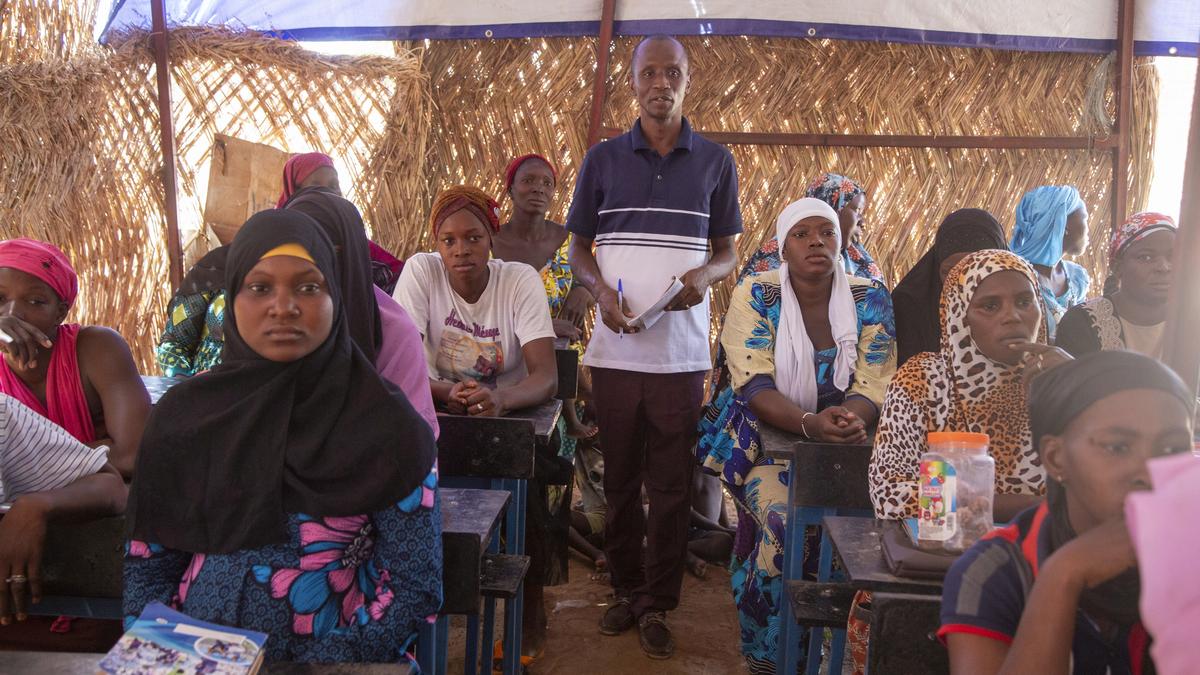
*Mountougoula, Mali – May 21, 2025* – A U.S.-funded literacy project in Mali, “Shifin ni Tagne” (“Our Future”), has abruptly ceased operations, leaving thousands of young Malians without access to vital education and skills training. The shutdown comes after the Trump administration slashed USAID funding by 90%, crippling a program that had been teaching approximately 20,000 Malians to read and write in their native languages.
The project, backed by $25 million in USAID funding, was a lifeline in a country where an estimated 70% of the population lacks literacy skills. “The joy I felt has been replaced by sadness,” expressed Aminata Doumbia, 18, who had hoped to train as a pastry chef through the program.
The timing of the cuts couldn’t be worse. European development partners have also withdrawn support following the 2021 coup that brought Assimi Goita to power, leaving a significant void in development assistance. The literacy program was viewed by many as the sole opportunity for literacy and skills acquisition.
Mali’s government had recently declared native tongues as official languages, replacing French, making the program crucial for further development. However, officials worry that the funding cut, “will certainly have a negative impact on the development of mother-tongue education.”
The withdrawal comes as Mali increasingly turns to Russia for support, raising concerns that the U.S. departure will create an opening for rivals. Experts fear that the hole left by USAID will be difficult to fill, leaving the future of countless young Malians hanging in the balance.
 First Piper