
Sat May 17 17:59:10 UTC 2025: **Summary:**
A researcher from ATREE, Pramod Rai, discovered a rare orchid species, *Eulophia siamensis*, for the first time in India during a field survey in Sikkim. This orchid was previously known only in China, Myanmar, and Thailand. He also found *Isodon neorensis*, a plant from the mint family, in Sikkim, previously only recorded in West Bengal’s Neora Valley and Bhutan. The *Eulophia siamensis* was found in two different environments, suggesting its adaptability. The *Isodon neorensis* found exhibits unique characteristics not previously documented. Both findings highlight Sikkim’s biodiversity and the need for conservation.
**News Article:**
**Rare Orchid Species Discovered in India for the First Time, Highlighting Sikkim’s Biodiversity**
**Bengaluru, May 17, 2025** – In a significant botanical discovery, a researcher from the Ashoka Trust for Research in Ecology and the Environment (ATREE) has identified *Eulophia siamensis*, a rare orchid species, in India for the first time. The finding was made by Pramod Rai, a research associate at ATREE, during a field survey in Sikkim.
*Eulophia siamensis* was previously known to exist only in China, Myanmar, and Thailand. Rai also discovered *Isodon neorensis*, a plant belonging to the mint family, newly noted for Sikkim, with prior recordings only in West Bengal’s Neora Valley and Bhutan.
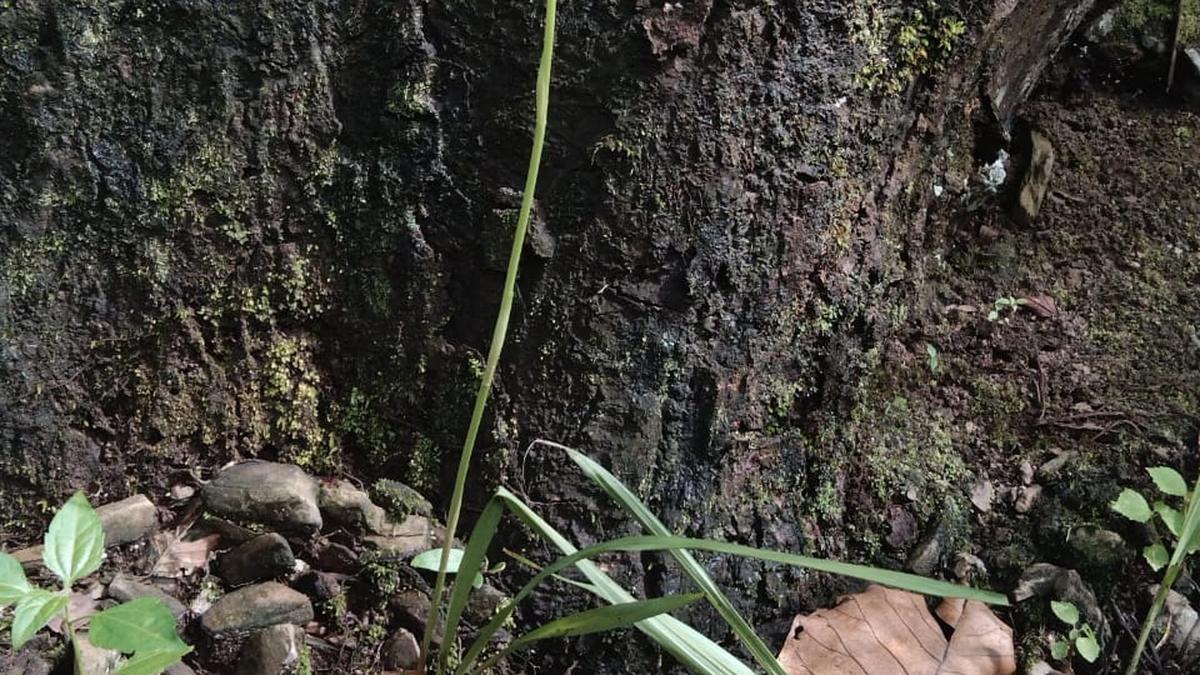
The *Eulophia siamensis* orchid was found in the Sirisay forest of Namchi district, thriving in both rocky and shaded environments, demonstrating its adaptability. Researchers noted its coexistence with native plant species, highlighting its role in the local ecosystem. The discovery was published in the journal ‘Acta Phytotaxonomica et Geobotanica’.
The *Isodon neorensis*, found near a highway in the Daragaon area of Tadong, displayed unique characteristics, including heart-shaped leaf bases and an extended flowering period, not previously recorded in the species. This discovery was documented in the ‘Journal of Threatened Taxa’.
“These findings underscore Sikkim’s ecological richness and emphasise the critical need for ongoing conservation efforts,” stated a release from ATREE. The discoveries further highlight the biodiversity of the region and the importance of continued research and preservation initiatives.
 First Piper