
Fri May 16 01:30:00 UTC 2025: **NEWS ARTICLE:**
**India Grapples with Misinformation Surge Amidst Escalating Tensions with Pakistan**
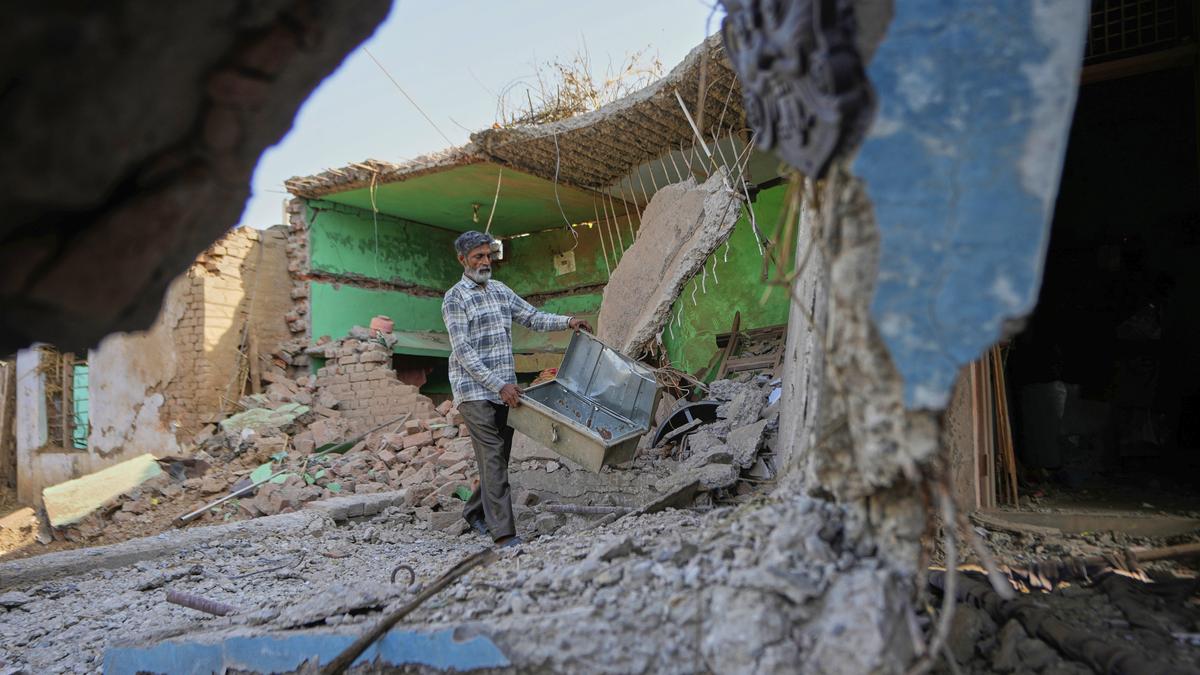
**New Delhi, May 16, 2025** – Following the Pahalgam massacre and subsequent military escalation between India and Pakistan, a wave of misinformation and disinformation has flooded online platforms, sparking concern and anxiety across India. A surge in online searches related to war, Pakistan, nuclear weapons, and drones indicates heightened public interest, particularly in border regions, since the conflict began.
Data reveals that searches for terms like “war” and “Pakistan” have reached a five-year peak in India, reflecting a surge in both curiosity and anxiety. However, this increased engagement has also been accompanied by a proliferation of false narratives. Fact-checking organizations have debunked numerous instances of fabricated news events, including claims of the “destruction of Karachi port” (image sourced from Gaza) and a supposed Indian drone strike near an Islamabad mosque, which was in fact a fire from the previous year.
These hyper-nationalistic claims, often circulated on social media, are accompanied by rhetoric that subtly or explicitly calls for war, overshadowing the devastating human costs. Historical data on casualties from past conflicts involving India underscores the grim reality of war. Over 13,140 Indian defense personnel were killed in major conflicts and operations, including wars with China and Pakistan, and over 26,500 were wounded.
Beyond human lives, war carries a significant economic burden. India consistently ranks among the top arms importers globally, reflecting the financial strain of maintaining a strong defense. Economic data from countries currently at war, such as Russia and Ukraine, reveals a sharp decline in GDP growth as a direct consequence of the conflict. Ukraine’s GDP plummeted by -28.8% in 2022 following the outbreak of war with Russia. Similarly, Israel recorded its lowest GDP growth in almost eight years after its war with Hamas in 2023.
As tensions between India and Pakistan continue to rise, this situation highlights the urgent need for media literacy and critical thinking to combat the spread of misinformation and ensure a more informed public discourse.
**Sources:** Parliament Q&A, SIPRI, Google Trends and World Bank
 First Piper