
Wed May 14 17:06:51 UTC 2025: Here’s a summary and news article based on the provided text:
**Summary:**
Researchers from several Indian Council of Agricultural Research (ICAR) institutions have successfully assembled the first chromosome-level genome of the Indian yak. This breakthrough, using advanced sequencing technology, is expected to significantly improve yak breeding programs, conservation efforts, and understanding of the species’ genetic complexities and its role in the Himalayan ecosystem. The genome will enable precise identification of genetic markers for traits like cold tolerance, disease resistance, and milk production, contributing to the long-term sustainability of yak populations and improving the socio-economic conditions of yak herders.
**News Article:**
**Indian Scientists Unlock Genome of ‘Ship of the Himalayas’: Breakthrough for Yak Conservation**
**GUWAHATI, May 15, 2025** – In a landmark achievement for animal genomics, Indian scientists have successfully assembled the first chromosome-level genome of the Indian yak (Bos grunniens). Researchers from four institutions under the Indian Council of Agricultural Research (ICAR) collaborated on the project, which promises to revolutionize yak breeding programs and conservation efforts in the Himalayan region.
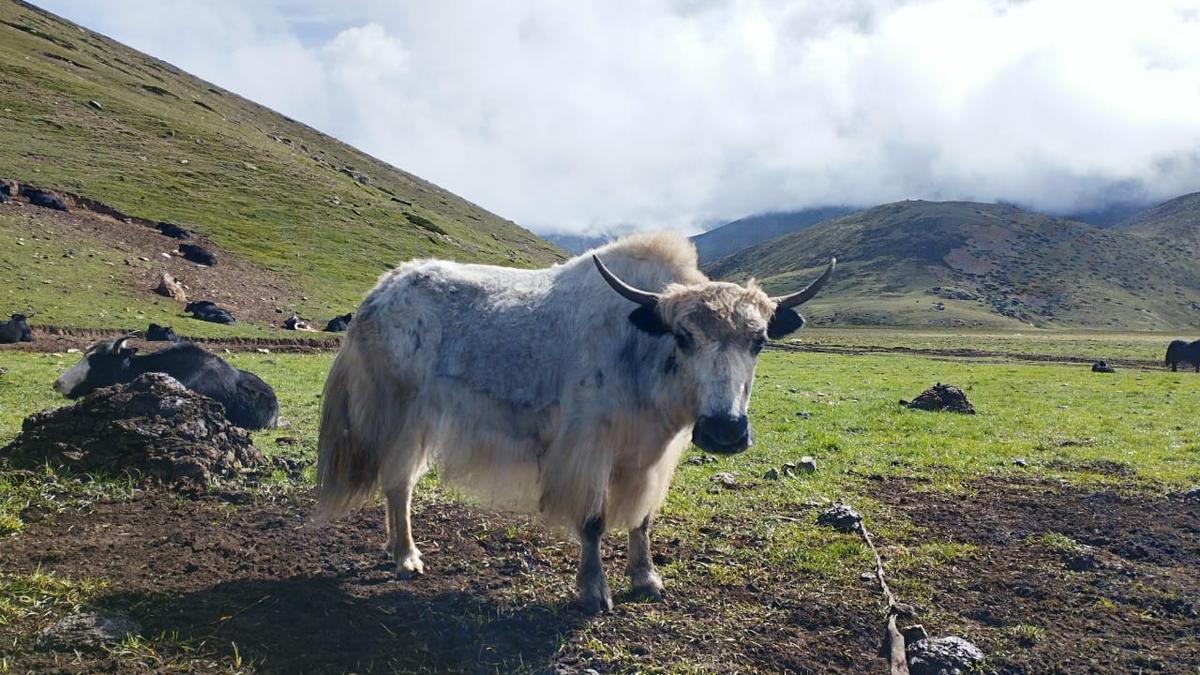
The Indian yak, often referred to as the “ship of the Himalayas,” is crucial to the economy of high-altitude dwellers, providing meat, milk, and transportation. This research provides a detailed map of the yak’s genetic makeup, revealing the specific location of genes on its chromosomes.
“This leap for yak genomic science marks a significant milestone,” said Mihir Sarkar, Director of ICAR-National Research Centre on Yak in Arunachal Pradesh. “It will enable us to better understand the genetic complexities of this vital species and its ecological role in the Himalayan landscape.”
The research team utilized advanced long-read sequencing technology and sophisticated bioinformatics tools. Scientists believe this breakthrough will allow for more precise identification of genetic markers associated with desirable traits such as cold tolerance, disease resistance, and improved milk production. This will aid in selecting superior breeding stock and developing strategies to enhance the resilience of yak populations facing challenges like reduced grazing areas, climate change, disease, and genetic erosion.
“With this genome, we can better understand how to sustain yak populations across the Himalayan belt,” added Dr. A.K. Mohanty, Director of ICAR-Central Institute for Research on Cattle.
Researchers emphasized the importance of translating these findings into practical applications for conservation and sustainable development, ultimately improving the socio-economic well-being of yak herders across Ladakh, Sikkim, Arunachal Pradesh, and Himachal Pradesh.
 First Piper