
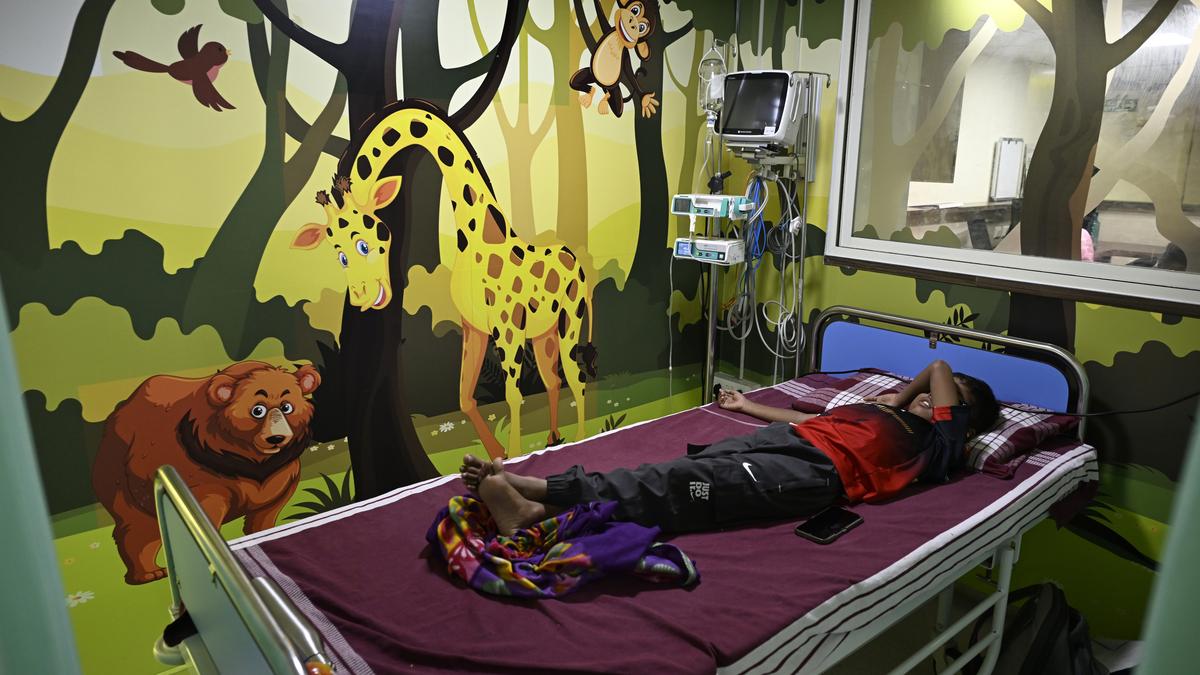
Fri May 09 01:42:00 UTC 2025: ## Karnataka’s Thalassaemia Crisis: A Struggle for Access to Treatment and Affordable Drugs
**Bengaluru, Karnataka – May 9, 2025** – Thousands of thalassaemia patients in Karnataka face a critical shortage of affordable and effective treatment, highlighting major gaps in the state’s public health system. The lack of a comprehensive registry means the exact number is unknown, but experts estimate at least 10,000 individuals are affected, a number growing due to insufficient screening and awareness.
While the Karnataka State Blood Cell provides free blood transfusions in government hospitals, access to crucial iron chelation therapy remains severely limited. Many patients report ineffectiveness of the generic drugs currently offered, leading them to incur significant expenses on branded alternatives. The state government attributes this to post-pandemic procurement challenges, with tenders awarded to the lowest bidders, often smaller pharmaceutical companies. Experts, however, emphasize the need for a broader range of effective, government-supplied drugs.
The financial burden is devastating for families. Gowramma, mother of two adult children with thalassaemia, struggles to cover medical costs despite operating a small garment shop. Similarly, 19-year-old Mubeena Ruqsar and her family face constant financial strain due to the high cost of treatment and lack of access to affordable medications.
While bone marrow transplant (BMT) offers a permanent cure, access is severely limited by financial and logistical barriers. Although BMT was included under Ayushman Bharat-Arogya Karnataka, implementation remains incomplete. While some free BMTs are offered to eligible children from Scheduled Castes and Tribes, the cost remains prohibitive for most. Non-profit organizations are working to fill this gap, but resources remain scarce.
The high rate of consanguineous marriages in Karnataka (second highest in India, according to NFHS-5) significantly contributes to the rising number of thalassaemia cases. Experts urge increased carrier screening, prenatal testing, and public awareness campaigns to reduce the incidence of the disease.
State health officials acknowledge the challenges but insist there is no drug shortage and that the existing centers need to properly submit their drug requests. They also plan to investigate reports of ineffective medications and resulting side effects. However, activists and patients alike emphasize the urgent need for improved access to affordable, effective treatment and a more comprehensive approach to address the growing thalassaemia crisis in Karnataka.
 First Piper