
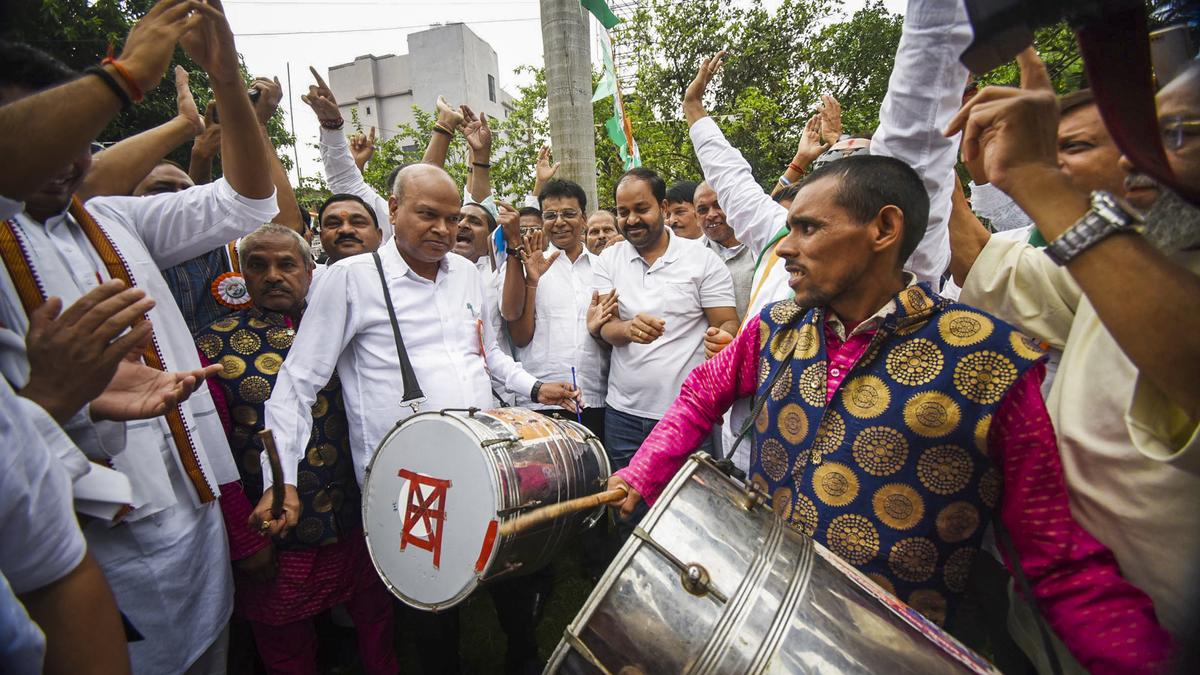
Sat May 03 21:44:58 UTC 2025: **India to Include Caste in Upcoming Census After Decades-Long Absence**
NEW DELHI, May 4, 2025 – The Indian government announced a landmark decision to include caste enumeration in the next national census, marking a significant reversal of policy after nearly a century. The last time caste data was comprehensively collected and published was in 1931. While the 1941 census gathered the data, it was never released. Since independence, only Scheduled Castes and Tribes (SCs/STs) have been officially counted.
The decision, announced by the Union Cabinet, comes ahead of crucial Bihar state elections and has sparked widespread debate. While the ruling Bharatiya Janata Party (BJP) had previously opposed caste-based enumeration, the move is seen by some as a strategic pre-election maneuver. The Opposition, which had actively campaigned for a caste census, is now claiming credit for the decision while simultaneously demanding increased reservation quotas based on the expected findings.
The inclusion of caste data is expected to present significant logistical challenges. A comprehensive list of castes needs to be developed, addressing regional variations and the complex evolution of caste identities. The process will also need to account for the varying OBC lists across states and the inclusion of religious minorities. The open-ended nature of previous caste surveys, like the 2011 Socio-Economic and Caste Census (SECC), resulted in over 4.6 million different caste entries. This time, the census will likely use a dropdown list to improve data consistency.
The data collected will likely have profound implications for affirmative action policies. Existing reservation quotas, particularly the 27% quota for Other Backward Classes (OBCs) based on 1931 census projections, may be significantly altered. States like Karnataka, which recently conducted their own caste surveys revealing a much larger OBC population than previously estimated, are already anticipating increases to their reservation quotas, potentially challenging the Supreme Court’s 50% cap on reservations.
The timing of the next census remains unclear, with the 2021 census having been delayed. The addition of caste data will undoubtedly increase the time and resources required for the enumeration process. The government’s announcement has raised questions about the timeline for implementation and the specific methodology to be employed.
 First Piper