
Sat May 03 19:30:00 UTC 2025: ## Vietnam’s Remarkable Economic Transformation: From War to Prosperity
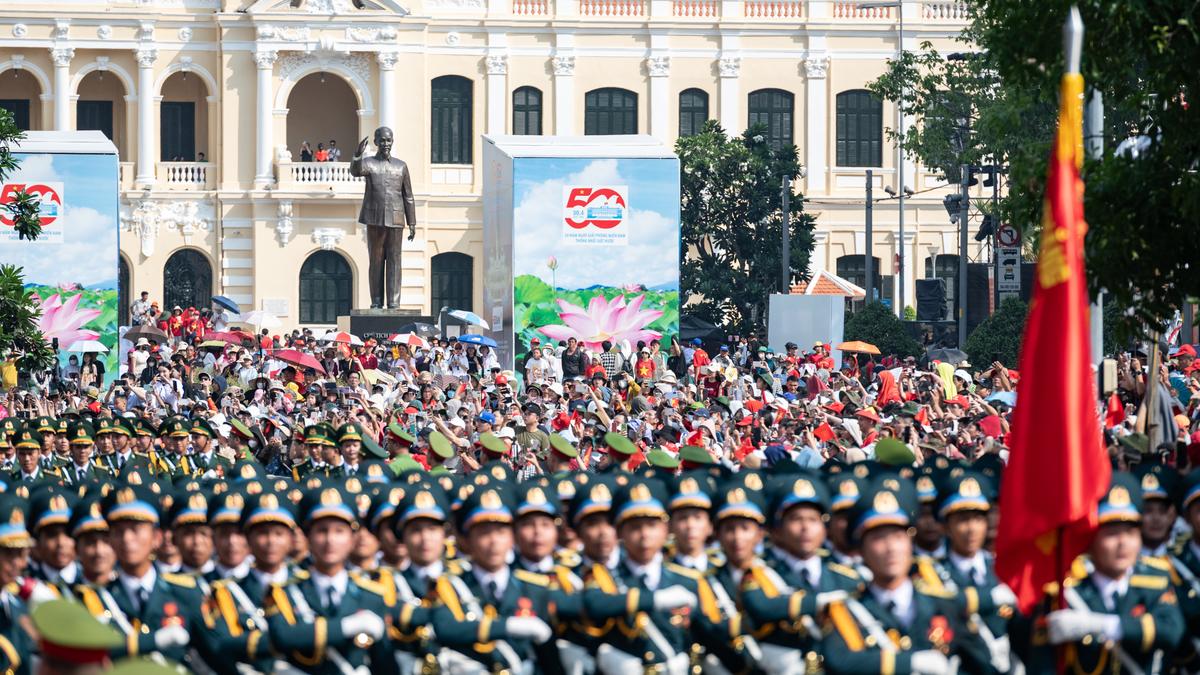
**Ho Chi Minh City, Vietnam – May 4, 2025** – Fifty years after the reunification of Vietnam, the nation celebrates not only its hard-fought victory over the United States but also a remarkable economic transformation. From a post-war nation grappling with poverty and a centrally planned economy, Vietnam has emerged as a middle-income country with impressive growth.
This remarkable shift is largely attributed to the Communist Party of Vietnam’s (CPV) implementation of “Doi Moi” reforms, beginning in 1986. These reforms, initially focusing on agricultural de-collectivization and the introduction of small-scale private enterprise, gradually led to macroeconomic stabilization, foreign investment, and the development of a functioning market economy.
The impact has been dramatic. Vietnam’s poverty rate plummeted from nearly 60% in the late 1980s to a mere 1.9% in late 2024. GDP per capita soared from approximately $430 to $4,347, and the Human Development Index (HDI) climbed from 0.492 to 0.726, placing it in the “high human development” category.
While economic liberalization has been the key driver, the CPV has maintained a one-party system, albeit with a notable emphasis on combating corruption. The “blazing furnace” anti-corruption campaign, initiated under Nguyen Phu Trong’s leadership, targeted high-ranking officials, reflecting a recognition of the challenges posed by rapid economic growth and potential inequality.
Despite its success, the CPV continues to face challenges. Political freedoms remain restricted, requiring the party to maintain legitimacy through demonstrable economic progress. While the current leadership emphasizes continued adherence to Doi Moi and the goal of becoming an upper-middle-income country by 2030, the legacy of Ho Chi Minh, the nation’s founding father, remains a cornerstone of the CPV’s ideology.
The CPV’s collective leadership model, in stark contrast to the personality cults prevalent in other communist states, also stands out. This, coupled with the nation’s impressive economic gains, presents a unique case study in the complexities of blending communist governance with market-based economic principles.
 First Piper