
Fri May 02 00:58:42 UTC 2025: ## Federal Judge Blocks Trump Administration’s Use of 18th-Century Law to Deport Venezuelans
**Austin, TX – May 2, 2025** – A federal judge in Texas has issued a permanent injunction blocking the Trump administration from using the Alien Enemies Act of 1798 to deport Venezuelans from South Texas. U.S. District Court Judge Fernando Rodriguez Jr. ruled that President Trump’s invocation of the 227-year-old law to deport individuals the administration claims are members of the Venezuelan gang Tren de Aragua is unlawful, exceeding the statute’s scope and contradicting its plain meaning.
The judge’s decision comes in response to a March proclamation by President Trump declaring a state of invasion and asserting his authority to deport these individuals without standard court proceedings. While acknowledging the executive branch’s right to deport those in the country illegally through other legal means, Judge Rodriguez stated that the President’s actions misinterpret the Alien Enemies Act, a law previously used only three times in U.S. history – during wartime.
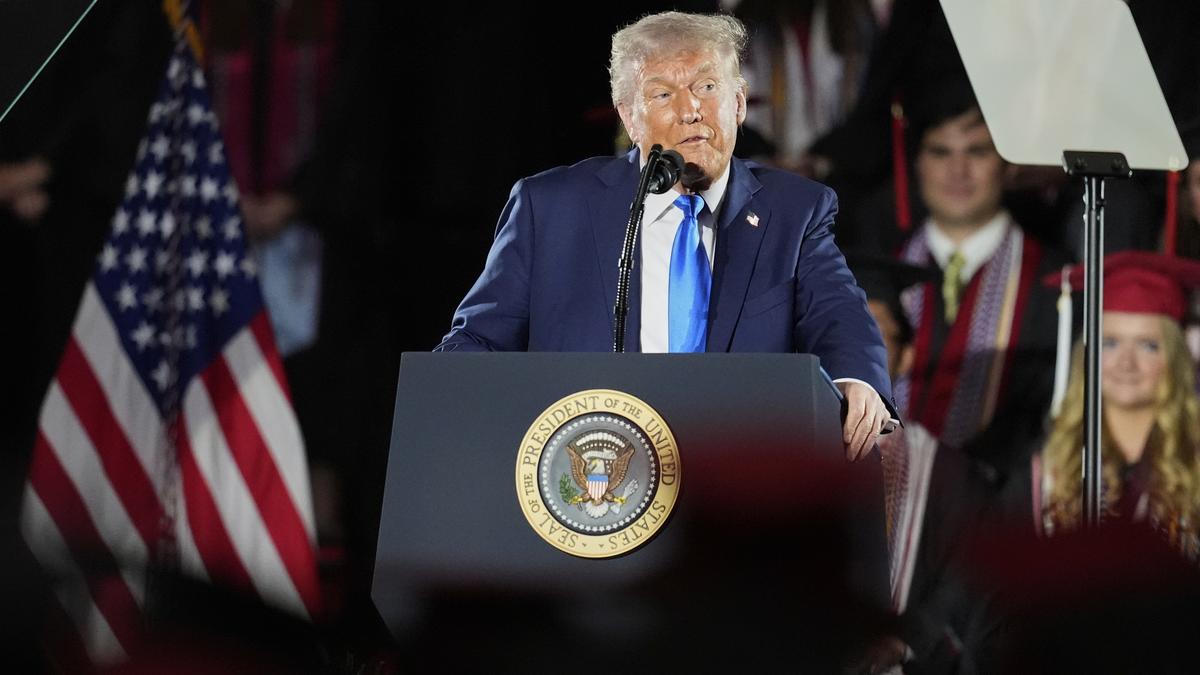
The Trump administration, however, plans to appeal the ruling. Vice President J.D. Vance stated the administration will aggressively pursue the appeal, arguing that the President, not the court, determines whether an invasion is occurring. Rep. Adriano Espaillat, chair of the Congressional Hispanic Caucus, countered that the ruling confirmed the administration’s illegal use of the Alien Enemies Act, violating due process.
The ACLU, which brought the lawsuit, hailed the decision as a significant victory, emphasizing that Congress never intended for the law to be used in this manner. The judge agreed, noting the historical context of the law’s limited use during wartime. He also determined that the administration’s accusations against Tren de Aragua did not constitute an “invasion” as defined by the Act.
The case now heads to the 5th U.S. Circuit Court of Appeals, known for its conservative stance on immigration matters. The administration may also seek an emergency stay with the Supreme Court, which has previously addressed the issue of deportation under the AEA, mandating “reasonable time” for migrants to contest their removal. The legal battle is expected to continue, with further appeals potentially reaching the Supreme Court. This ruling is one of several legal challenges to the Trump administration’s actions stemming from the March proclamation.
 First Piper