
Sat Apr 26 23:30:00 UTC 2025: ## Study Reveals High Rate of Preventable C-Sections in South India
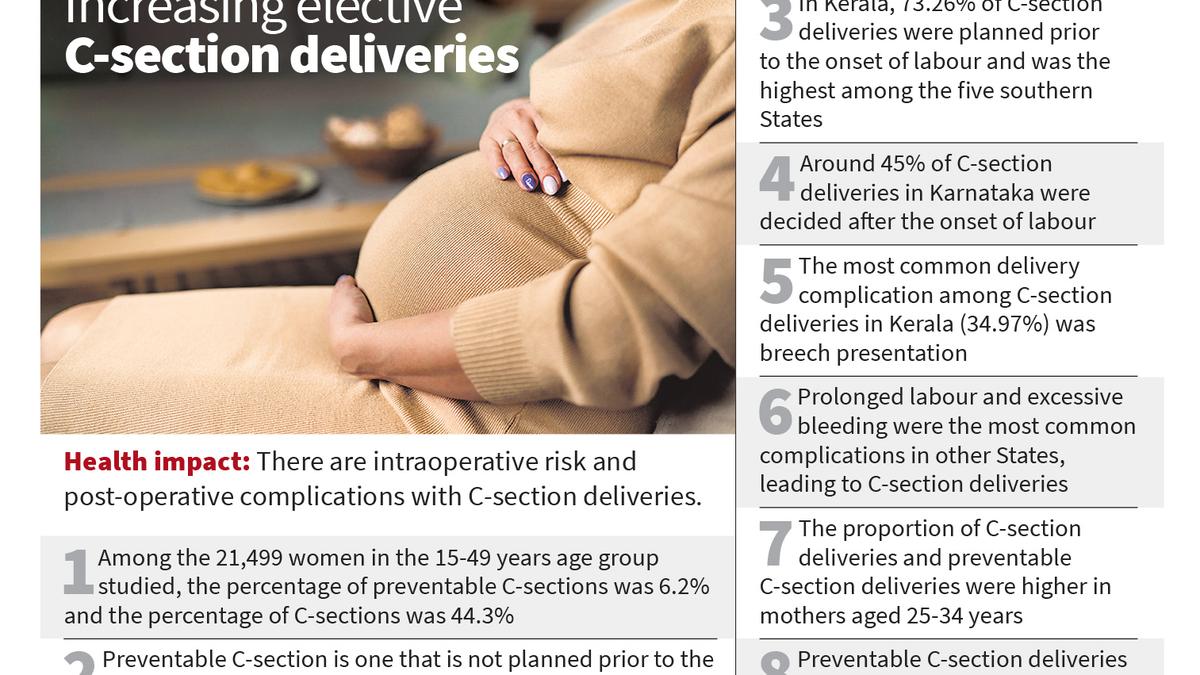
**Chennai, India** – A new study published in PLOS ONE reveals a concerningly high rate of preventable Cesarean sections (C-sections) in the southern Indian states of Andhra Pradesh, Kerala, Karnataka, Tamil Nadu, and Telangana. The research, conducted by Population Council Consulting, AIIMS Delhi, and TISS, Mumbai, analyzed data from the National Family Health Survey-5 (NFHS-5) involving 21,499 women.
The study found that 6.2% of all deliveries in the region were preventable C-sections, representing 13.9% of all C-sections performed. While Kerala had the lowest rate (3.1%), Telangana reported the highest (8.4%), with Karnataka registering 6.2%. The overall C-section rate across the five states ranged from 31.5% to 60.7%, significantly higher than the national average.
Researchers defined a preventable C-section as one not planned before labor, performed at full term, and without intrapartum complications. The study highlights that these unnecessary procedures lead to inefficient use of healthcare resources, increased risks for mothers and children, and high out-of-pocket expenses.
Several factors contributed to the high rate of preventable C-sections. The study found a higher prevalence among women aged 25-34, those with higher education, those who were uninsured or wealthier, and those who received increased antenatal care, particularly in private facilities. Primi-mothers (first-time mothers) also showed a higher likelihood of undergoing a preventable C-section. The practice of combining sterilization with C-sections was also identified as a contributing factor.
Private healthcare facilities accounted for 29.6% of institutional deliveries, with 48% of those deliveries being C-sections – a 17% increase compared to NFHS-4 data. Mothers delivering in private facilities were almost three times more likely to have a preventable C-section than those delivering in public facilities.
Despite high institutional delivery rates (96.5%) comparable to some Western European and North American countries, the study emphasizes the need for interventions to reduce the number of unnecessary C-sections in the region. The researchers call for a focus on educating healthcare providers and mothers, improving access to quality antenatal care, and addressing the underlying socioeconomic factors contributing to this concerning trend.
 First Piper